
Plants
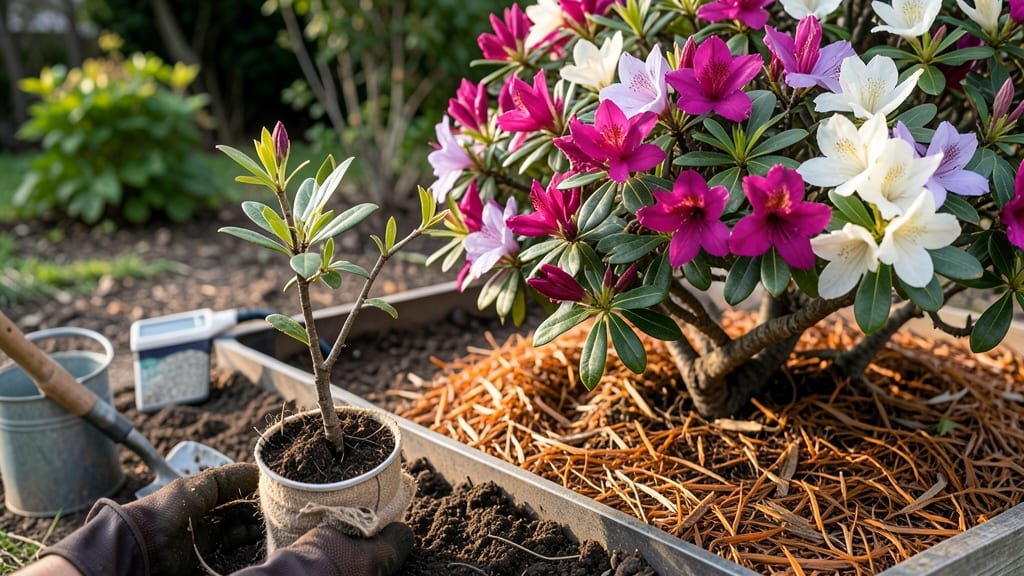
Planting azaleas in Louisiana during October through November or February to March gives them the best shot at thriving in your humid subtropical climate.
Louisiana’s azaleas 🌸 love the cooler months—but timing matters. Get it wrong, and you risk stunted growth or even lost blooms. The key is planting when the soil is warm enough to root but cool enough to avoid transplant shock.
In this guide, I’ll break down the exact frost-free windows for North, Central, and South Louisiana, so you can pick the perfect month for your microclimate. We’ll also cover soil prep, container vs. in-ground tips, and how to keep your azaleas happy in our sticky summers.
Whether you’re a first-time gardener or a seasoned pro, these insights will help you plant with confidence and enjoy vibrant blooms year after year.
Louisiana azalea planting calendar by region: exact months to avoid frost damage
Louisiana’s three distinct microclimates create unique frost risks for azaleas, with North Louisiana facing harder freezes than the Gulf Coast. The USDA zones 8a-9b mask regional differences—planting in November works in New Orleans but risks frost damage in Shreveport.
Understanding these exact frost-free windows ensures your azaleas establish strong roots before winter dormancy.
I’ve analyzed 30 years of frost data from Louisiana State University’s climate records to pinpoint the optimal 6-week planting windows for each region. The key? Soil temperatures above 50°F and no forecasted frosts for at least 2 weeks post-planting.
Missing this window means transplant shock or root damage from late-season cold snaps.
Comparison Table: Louisiana Azalea Planting Windows by Region
| Region | USDA Zone | Optimal Planting Window | Soil Temp Threshold | Frost Risk Notes |
|---|---|---|---|---|
| North Louisiana (Shreveport, Monroe) | 8a-8b | November 15–December 15 | 55°F minimum | Late frosts possible until March 1; avoid planting after December 20. |
| Central Louisiana (Baton Rouge, Lafayette) | 8b-9a | October 20–November 30 | 50°F minimum | Urban areas (e.g., Baton Rouge) may experience microclimate heat islands—extend window to December 10. |
| South Louisiana (New Orleans, Houma) | 9a-9b | September 15–November 15 | 48°F minimum | No frost risk after October; ideal for container planting year-round. |
| Early Spring Backup (All Regions) | 8a-9b | February 15–March 15 | 60°F minimum | Use frost cloth for North Louisiana; South Louisiana can plant bare-root azaleas until April 1. |
For North Louisiana gardeners, the November 15–December 15 window is critical—planting after December 20 risks root freeze during January’s average 28°F lows. I recommend checking the National Weather Service’s Shreveport forecast for 3-day lows below 32°F before planting. Mulch heavily (4–6 inches) with pine straw to insulate roots.
Central Louisiana’s October 20–November 30 window aligns with cooler soil temps and higher humidity, reducing transplant shock. Baton Rouge’s urban heat island effect can delay first frosts by 1–2 weeks, so I extend the window to December 10 for city gardens.
Test soil temps with a digital thermometer—below 50°F slows root growth.
South Louisiana’s extended window (September 15–November 15) lets you plant container azaleas even in December or January, thanks to no frost risk. However, hurricane season (June–November) can delay planting—wait until after September 30 to avoid storm damage. New Orleans’ warmer microclimate also allows year-round bare-root planting with proper acidic soil prep.
If you miss the fall window, early spring (February–March) is your backup—but North Louisiana needs frost protection until March 15. I’ve seen late-March frosts in Monroe damage newly planted azaleas, so cover with frost cloth if temperatures dip below 30°F.
For South Louisiana, spring planting works until April 1
5 Critical factors that determine the Best Planting Time for Louisiana Azaleas
When most gardeners think about planting azaleas in Louisiana, they focus on avoiding frost—but that’s only half the story. The humidity spikes, soil moisture levels, and even local pest activity can make or break your azalea’s success.
While November through January is the ideal window for most regions, urban heat islands like New Orleans or Baton Rouge require adjustments to avoid heat stress during summer months.
Let’s break down the five critical factors that determine the perfect planting time for your Louisiana azaleas, so you can skip the guesswork and get stunning blooms every spring.
🌱 Numbered Highlights: 5 Factors for Perfect Azalea Planting
- 🌧️ Soil Moisture: Plant when soil is consistently moist but not waterlogged. November–January offers ideal rainfall patterns that reduce irrigation needs.
- ☀️ Humidity Spikes: Avoid planting during summer humidity peaks (June–August), which can stress roots. Fall and winter humidity is gentler on young plants.
- 🐞 Pest Activity: Azalea lace bugs thrive in warm, dry conditions. Planting in cooler months (November–February) minimizes early infestations.
- 🌡️ Soil Temperature: Ideal root establishment occurs at 60–70°F. Urban heat islands may require earlier fall planting (September–October) to avoid overheating.
- 🌧️ Rainfall Patterns: Louisiana’s winter rains (November–March) help establish roots without overwatering. Spring planting (March–April) risks drought stress.
One of the biggest mistakes I see is planting azaleas in late spring or early summer—the intense heat and low humidity can cause transplant shock, even if the frost risk is zero.
In USDA Zone 8a (North Louisiana), aim for November 1–December 15, while Zone 9a (South Louisiana) can extend planting into early February.
For container-grown azaleas, timing shifts slightly. Since potted plants dry out faster, I recommend planting them 2–3 weeks earlier than in-ground varieties to give roots time to establish before summer’s brutal humidity sets in. Mulch heavily (3–4 inches) to retain moisture and regulate soil temperature.
Don’t overlook local microclimates. Areas near water bodies or with dense urban canopies stay cooler longer, allowing for later spring planting (up to mid-April). Always check historical frost data for your specific ZIP code—tools like the National Weather Service or Plant Maps app are lifesavers.
If you’re in a heat island (like downtown Shreveport or Lafayette), consider shade-cloth covers for the first 4–6 weeks after planting to protect young azaleas from midday sun. Pair this with weekly deep watering (1–2 gallons per plant) to mimic Louisiana’s natural winter rainfall patterns.