
Flowers
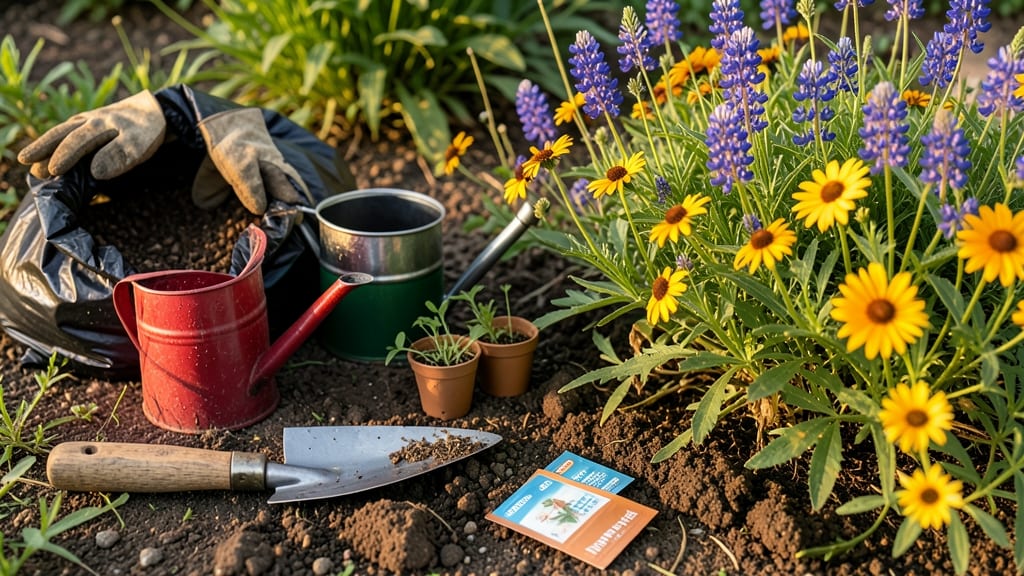
To plant flowers in San Antonio, time it between February and April for spring blooms or September and November for fall varieties — missing these windows risks wilting before the heat sets in.
San Antonio’s scorching summers and unpredictable frost dates can leave gardeners confused about the best time to plant flowers—but timing everything right ensures vibrant blooms all season long. 🌸
Spring planting starts after the last frost (usually mid-March), while fall offers a second chance to beat the summer heat. The key is adjusting for your microclimate—whether you’re in a shaded backyard or a sunbaked front yard.
Below, I’ll break down the exact frost dates, heat-tolerant varieties, and soil prep tips to keep your flowers thriving year-round in USDA Zone 8a.
San Antonio’s last frost date and best planting windows for flowers
Understanding San Antonio’s last frost date is the first step to creating a thriving garden. Typically, the average last frost date falls between February 15 and March 15, though it can vary yearly.
This window marks the safe transition from winter dormancy to spring planting, ensuring your heat-loving flowers get a head start before summer’s intensity. Missing this window can leave delicate blooms vulnerable to unexpected cold snaps, while planting too early risks stunted growth.
For annual flowers, like marigolds or zinnias, aim to plant 2-3 weeks before the last frost—usually in early February.
This timing allows roots to establish before the soil warms, preventing transplant shock. Perennial flowers, such as blackfoot daisies or salvia, can often handle cooler temperatures, so you can start them slightly earlier, around late January, if your soil isn’t frozen.
Always check the National Weather Service for local updates, as microclimates in San Antonio can shift frost dates by a week or more.
| Flower Type | Best Planting Window | Notes |
|---|---|---|
| Annuals (e.g., Zinnias, Petunias) | February 15 - April 15 | Plant after last frost; mulch to retain moisture. |
| Perennials (e.g., Coneflowers, Salvia) | January 15 - March 1 | Hardy varieties tolerate cooler soil; amend clay soil with compost. |
| Heat-Tolerant Annuals (e.g., Lantana, Blackfoot Daisy) | March 15 - April 30 | Direct sow after soil reaches 60°F; water deeply weekly. |
| Fall Bloomers (e.g., Mums, Pansies) | August 15 - September 30 | Plant 6-8 weeks before first frost for fall color. |
| Bulbs (e.g., Tulips, Daffodils) | November 1 - December 15 | Plant in fall for spring blooms; protect from squirrels. |
Fall planting offers another critical window for San Antonio gardeners. While spring gets all the attention, fall-planted flowers often thrive better because cooler temperatures reduce stress, and established roots drink up winter rains.
Aim to plant annuals like zinnias or cosmos between August 15 and September 30, giving them time to root before the first frost—usually around December 15. For perennials, like blackfoot daisies, fall planting means they’ll burst into bloom the following spring with minimal care.
Heat-resistant varieties deserve special attention in San Antonio’s climate. Flowers like lantana, salvia, and blackfoot daisies can handle the city’s 100°F+ summers if planted at the right time. Delay planting these until March 15 or later, when soil temperatures consistently stay above 60°F.
This timing avoids shocking their roots with sudden heat spikes. Always pair these with mulch and deep watering to keep them thriving through the hottest months.
Don’t overlook container gardening as a solution for late plantings or small spaces. Containers warm up faster than garden beds, so you can start annuals like petunias or marigolds indoors in early February, then transplant them outside after the last frost.
This method also lets you move plants to shadier spots during peak summer heat, extending their bloom time. Just ensure containers have drainage holes and use a lightweight potting mix to prevent root rot.
Soil preparation is just as critical as timing. San Antonio’s clay-heavy soil drains poorly, so amend it with compost or aged manure 4-6 weeks before planting. For spring plantings, work in amendments in late winter, while fall prep can start as early as July.
Test your soil’s pH level—most flowers prefer a slightly acidic to neutral range (6.0-7.0)—and adjust with lime or sulfur if needed. Healthy soil means healthier plants and more vibrant blooms.
Watering schedules change with the seasons. In spring and fall, water deeply once a week, focusing on the base of plants to encourage deep root growth.
During summer’s peak heat, increase frequency to every 3-4 days, always watering in the early morning to reduce evaporation and fungal risks. Avoid wetting foliage, which can lead to powdery mildew in humid conditions.
A drip irrigation system or soaker hoses are ideal for San Antonio’s erratic rain patterns.
Finally, keep an eye on your garden’s microclimates. Urban areas in San Antonio can be 5-10°F warmer than rural spots due to concrete and pavement.
If your garden is in a heat pocket, opt for heat-tolerant varieties and provide afternoon shade with lightweight shade cloth during the hottest weeks. Conversely, cooler
Top heat-tolerant flowers to Plant in San Antonio’s spring and fall
San Antonio’s intense heat and unpredictable frost dates demand heat-loving flowers that thrive in USDA Zone 8a-9a. The key is planting annuals and perennials that handle 90°F+ temperatures while avoiding late spring frosts or fall freezes.
These 10 top performers will keep your garden blooming from spring through fall with minimal fuss.
Timing is everything in San Antonio’s climate. Plant spring bloomers like Lantana and Zinnias 2-3 weeks before your last frost date (typically February 15-March 15). For fall planting, wait until soil temps drop below 85°F (usually September-October) to avoid heat stress on young plants.
🌿 Best Heat-Tolerant Flowers for San Antonio
-
Lantana 🌸 🔥
Plant: March-April (spring) or September (fall)
Why: Thrives in full sun, drought-resistant, blooms spring-fall -
Zinnias 🌻 💧
Plant: March-May or August-September
Why: Heat-loving annuals, long bloom time, attracts pollinators -
Blackfoot Daisy 🌼 ☀️
Plant: September-October (fall) or February (spring)
Why: Native perennial, drought-proof, year-round interest -
Salvia 🌿 🌡️
Plant: March-April or September
Why: Heat and humidity tolerant, long spikes of blooms, deer-resistant -
Pentas 🌺 🐝
Plant: March-April or August-September
Why: Butterfly magnet, compact size, continuous blooms -
Portulaca (Moss Rose) 🌸 💦
Plant: April-May or August-September
Why: Succulent-like, thrives in poor soil, heat and drought tolerant -
Gaillardia (Blanket Flower) 🌻 ✂️
Plant: September-October or February-March
Why: Perennial, long bloom season, deadhead for more flowers -
Vinca (Periwinkle) 🌿 🌡️
Plant: September-October
Why: Evergreen ground cover, shade tolerant, heat-resistant -
Plumbago 💙 🌿
Plant: February-March or September
Why: Blue flowers, vining habit, drought-tolerant -
Firebush 🔥 🐦
Plant: February-March
Why: Native shrub, hummingbird favorite, year-round interest