
Plants
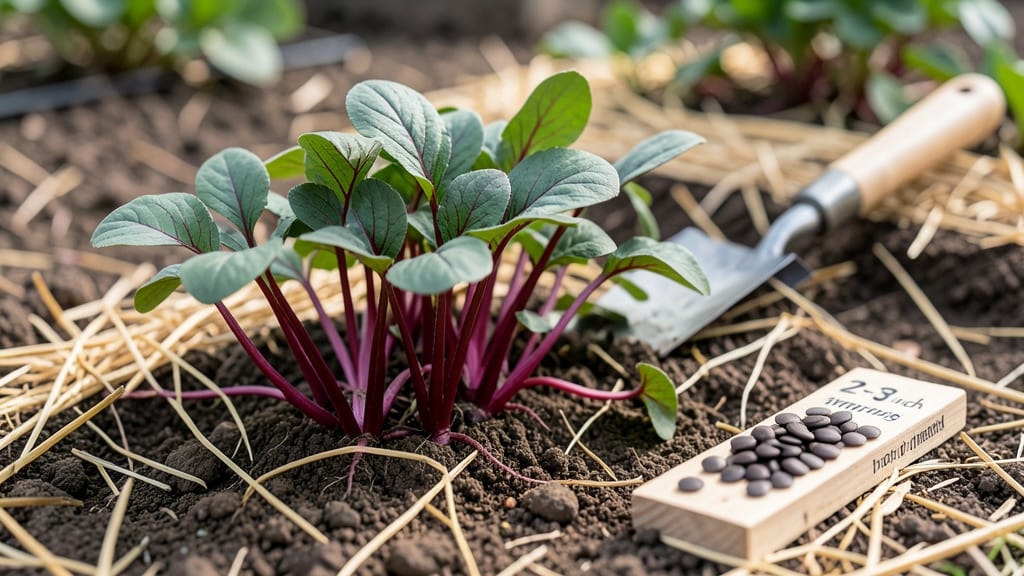
Planting beets in Kansas at the right time means the difference between tender, sweet harvests and tough, bitter roots.
Kansas gardeners know timing is everything—plant beets too early, and frost will ruin your crop; too late, and summer heat turns them woody. Mastering the frost-free window for beets in USDA Zones 6-7 ensures sweet, tender harvests all season.
In Kansas, your best bets are early spring (March 15–April 30) or late summer (August 1–September 15), when soil stays cool enough for even germination. Skip the sweltering June heat, or you’ll end up with bolting greens instead of roots.
Below, I’ll break down the exact dates by zone, soil prep tips, and how to stretch your harvest with succession planting—so you’re never without fresh 🍠 from June through November.
Kansas beet planting calendar: exact dates by USDA Zone 6-7
Beets thrive in Kansas’ cool spring and fall seasons, but timing is critical to avoid frost damage or summer bolting. In USDA Zones 6-7, beets need consistent soil temps between 50-70°F to germinate and grow properly.
Plant too early, and a late frost will kill seedlings; too late, and heat turns roots woody. Let’s break down the exact planting windows for your Kansas garden.
Kansas’ average last frost dates range from mid-April in Zone 7 to late April in Zone 6. First frost typically arrives in mid-October, giving you a 165-day frost-free window. This means your primary planting windows are early spring (March-April) and late summer (August-September) for a fall harvest.
🌱
| Planting Window | USDA Zone 6 | USDA Zone 7 | Soil Temp | Notes |
|---|---|---|---|---|
| Early Spring | March 15 - April 15 | March 1 - April 10 | 50-60°F | Use cold-hardy varieties like 'Detroit Dark Red'. |
| Late Spring | April 16 - May 10 | April 11 - May 5 | 60-70°F | Succession plant every 2 weeks for continuous harvest. |
| Summer (Risky) | June 1 - July 15 | June 1 - July 10 | 70-80°F (with shade) | Use shade cloth and harvest small roots quickly. |
| Fall | August 1 - September 15 | August 1 - September 10 | 60-70°F | Ideal for storage beets like 'Golden'. |
For spring plantings, start seeds indoors 4-6 weeks before your last frost date if you’re using transplants. However, beets are easier to direct-sow outdoors—just scatter seeds ½ inch deep and thin seedlings to 3-4 inches apart once they’re 2 inches tall.
In Zone 6, aim to plant by April 15 to avoid late frosts, while Zone 7 gardeners can push it to April 10.
Summer plantings are possible but challenging in Kansas’ heat. If you attempt it, focus on shade-tolerant varieties like 'Chioggia' and plant in late June or early July. Use drip irrigation and mulch heavily to retain moisture. Harvest roots when they’re 1-2 inches wide to avoid woody texture.
Fall is the best second planting window for beets in Kansas. Start seeds in early August for a harvest before the first frost. In Zone 7, you can extend this to mid-September, while Zone 6 gardeners should finish by September 15.
This timing ensures roots mature before fall temperatures drop below 50°F.
Pro tip: Use succession planting every 2-3 weeks in spring and fall to stagger harvests. This prevents glut and ensures a steady supply of fresh beets.
For example, plant one batch in mid-March, another in late March, and a final one in early April for a continuous harvest through June and July.
🌿
Soil temperature is non-negotiable for beet germination. Use a soil thermometer to confirm temps are at least 50°F before planting. Cold soil slows germination and can lead to uneven sprouting. If your soil is too cold, wait 1-2 weeks or use black plastic mulch to warm it
How to extend your beet harvest season in Kansas heat
Kansas summers can turn your beets tough and woody if you're not strategic. The key to extending your harvest lies in heat management and smart planting schedules. I’ve learned that succession planting and shade solutions are game-changers for my garden in USDA Zones 6-7.
Let’s dive into the tactics that keep my beets sweet and tender even when temperatures soar.
First, choose heat-tolerant varieties like 'Detroit Dark Red' or 'Chioggia'. These varieties handle Kansas heat better than others, giving you a longer window for harvests. Pair them with succession planting—sow seeds every 2-3 weeks from spring through early summer.
This ensures a steady supply of baby beets before the heat peaks.
- 1. Use 30% shade cloth in peak summer (July-August) to prevent bolting. Install it over rows to keep soil temps below 85°F.
- 2. Mulch heavily with straw or grass clippings to retain moisture. 2-3 inches of mulch reduces watering needs by 50%.
- 3. Water deeply in mornings—aim for 1 inch per week. Drip irrigation works best to avoid wetting foliage.
- 4. Plant heat-tolerant varieties like 'Detroit Dark Red' (fast-maturing) or 'Chioggia' (stores well).
- 5. Succession plant every 2 weeks from March to August. Start with baby beets for quick harvests.
Don’t overlook soil moisture management—beets need consistent water to stay tender. I’ve found that drip irrigation is the most efficient method. Water in the early morning to let foliage dry quickly, which helps prevent fungal diseases like leaf spot.
If you’re using overhead sprinklers, water before 10 AM to avoid evening moisture.
For late-summer plantings, focus on short-day varieties like 'Babybeat'. These mature faster in the heat and give you a second harvest before frost. Pair them with shade cloth (30% coverage) to protect seedlings from intense sun.
I’ve seen this extend my harvest by 3-4 weeks compared to unprotected rows.
Finally, harvest strategically. Baby beets (1-2 inches) are ready in 45-50 days, while larger roots take 60-70 days. Pull mature beets before the tops grow too large—they’ll pull nutrients from the root, making it tough and stringy.
In my garden, I prioritize harvesting every 2 weeks to encourage continuous production.
With these strategies, you can enjoy fresh beets from late spring through fall—even in Kansas’ brutal summers. The secret? Stay ahead of the heat with shade, moisture, and the right varieties. Your taste buds (and dinner table) will thank you! 🌱💧☀️