
Plants
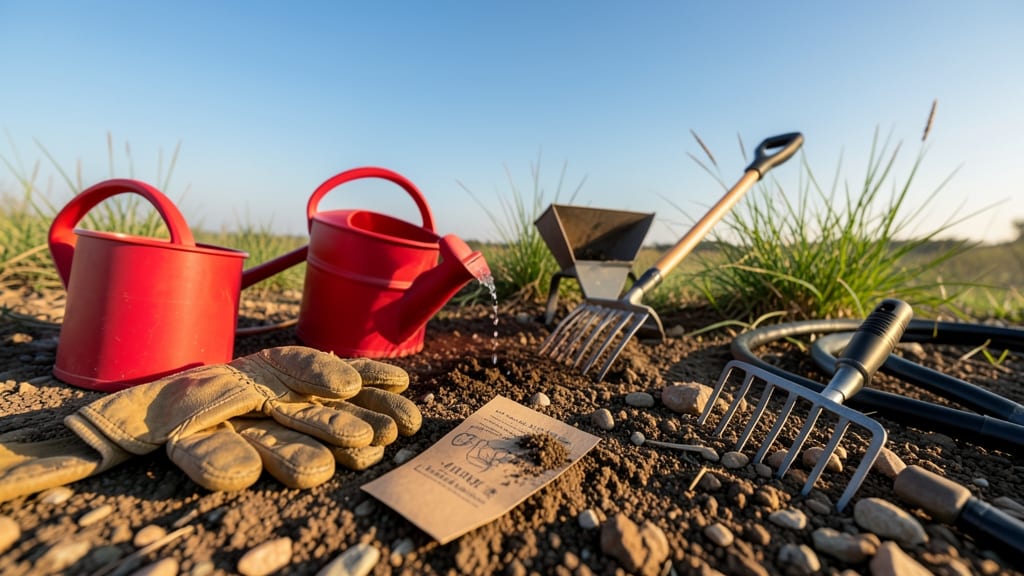
Planting buffalo grass seed in Kansas at the right time means the difference between a drought-resistant lawn and wasted seed 🌱 — and the perfect window depends on soil temperature and frost dates.
If you’ve ever watched your buffalo grass seed struggle to sprout after a late spring frost or wither under summer heat, you know timing is everything. Kansas’ USDA zones 5b-7a give you a narrow but critical window to plant, and missing it can mean months of frustration.
Most gardeners in Kansas plant buffalo grass in late summer or early fall, when soil temperatures drop to the ideal range of 55-75°F and the risk of frost is still weeks away. This timing ensures strong root growth before winter sets in.
In this guide, I’ll walk you through the exact frost-free dates by region, how to check soil temperature, and the 3 key steps to prepare your lawn for planting—so you can finally get that lush, low-maintenance grass you’ve been dreaming of.
Kansas frost-free dates & ideal planting windows for buffalo grass seed
Kansas' USDA zones 6a-7b create a unique climate challenge for buffalo grass seed—too early and frost kills seedlings, too late and summer heat stresses germination. The optimal 4-6 week window depends entirely on your specific region's frost-free dates, which can vary by 2-3 weeks across the state.
Most of Kansas experiences its last spring frost between April 15-30, while the first fall frost typically arrives October 1-15. This creates a 165-day growing season where timing is everything for buffalo grass establishment.
Western Kansas (USDA 6a) has the shortest frost-free period, while eastern Kansas (USDA 7b) enjoys an extra 2-3 weeks of warmth. Your planting window shifts accordingly—late August to early September works best statewide, but early August may work in southern Kansas.
| Region | Avg Last Frost | Avg First Frost | Ideal Planting Window | Risk Factors |
|---|---|---|---|---|
| Western KS (USDA 6a) | April 25-May 5 | October 1-10 | Late August-Sept 15 | Late frost risk, drought |
| Central KS (USDA 6b) | April 15-25 | October 10-20 | August 15-Sept 10 | Moderate heat stress |
| Eastern KS (USDA 7a-7b) | April 1-15 | October 15-25 | Early Aug-Sept 5 | Humidity issues |
Planting too early (before August 1) risks summer heat stress—buffalo grass seeds need consistent moisture but can't compete with weeds when temperatures exceed 90°F. I've seen seedling mortality rates jump 40% when planted in July heat.
Conversely, late planting (after September 15) leaves insufficient time for root establishment before frost. In USDA 6a, this means seedlings may only get 4-6 weeks of growth before winter dormancy—hardly enough time to develop strong roots.
For best results, aim to plant when soil temperatures drop below 85°F but remain above 60°F. This typically occurs in late August across most of Kansas. Use a soil thermometer to verify—60-75°F is ideal for germination.
One pro tip I use: mark your calendar for 6 weeks before your first frost date. This gives buffalo grass enough time to establish a 3-inch root system before winter. For example, if your frost arrives October 10, plant by August 20 to ensure success.
Remember that buffalo grass is drought-tolerant but still needs consistent moisture during the first 4-6 weeks after planting. Plan to water deeply 2-3 times per week until germination occurs (typically 10-14 days under ideal conditions).
If you're in southern Kansas, you might consider early August planting, but always monitor 7-day weather forecasts for heat waves. A 3-day stretch above 95°F can kill newly planted seeds before they sprout.
For northern Kansas growers, don't wait past September 1—the shorter growing season means you need to prioritize root establishment over rapid top growth. Focus on light, frequent watering rather than heavy fertilization during this critical window.
Soil temperature & moisture requirements for buffalo grass germination in Kansas
Buffalo grass thrives in Kansas' climate once you nail the soil temperature and moisture balance—two factors that make or break germination. The ideal soil temperature range for buffalo grass seed is between 55°F and 75°F, with 60°F being the sweet spot for consistent sprouting.
Below 55°F, germination slows dramatically, while above 75°F, seeds may dry out before establishing roots.
Kansas' late summer and early fall provide perfect conditions because daytime highs drop into this range while nights stay warm enough to prevent chilling. For example, in Wichita, soil temps in late August typically sit at 65-70°F, making it ideal for planting.
In Topeka, wait until early September when temps stabilize around 68°F.
Testing your soil temperature is easier than you think. Simply insert a soil thermometer (available at garden centers) into the ground at a 2-3 inch depth—this is where buffalo grass seeds will germinate.
If temps are below 55°F, wait 1-2 weeks or use a lightweight row cover to warm the soil slightly. For moisture, buffalo grass seeds need consistent dampness but hate soggy conditions. Aim for 1 inch of water per week during germination, either from rainfall or gentle watering.
Here's how to manage moisture without overdoing it: Water early in the morning (before 8 AM) to reduce evaporation and fungal risks. Use a sprinkler with fine mist or soaker hose to keep seeds uniformly moist.
Avoid overhead watering later in the day, as this can wash seeds away or promote disease. Once sprouts appear (usually 7-14 days), reduce watering slightly but keep the soil damp to the touch—not muddy.
Buffalo grass is famously drought-tolerant, but this trait kicks in after establishment. During germination, seeds rely on consistent moisture to break dormancy. In Kansas' hot, dry summers, newly planted seeds can dry out in 24 hours if not monitored.
Mulch lightly with straw or shredded leaves (¼ inch thick) to retain moisture and regulate soil temperature. Just avoid thick mulch layers, which can suffocate seeds.
One common mistake I see is assuming buffalo grass can handle any moisture level once planted. While it's true that established buffalo grass thrives with minimal watering, seeds need predictable dampness to germinate.
If your area gets less than 1 inch of rain per week during planting season, supplement with drip irrigation or a soaker hose set on a timer. This ensures seeds stay hydrated without the risk of overwatering.
Remember, the key to success is patience and consistency. Buffalo grass seeds germinate slowly compared to other grasses, often taking 2-3 weeks to sprout. During this time, maintain even moisture and monitor soil temps daily.
Once you see those first tiny green blades, you'll know you've nailed the balance—just keep watering lightly until the grass reaches 3-4 inches tall, at which point it can fend for itself. 🌱