
Plants
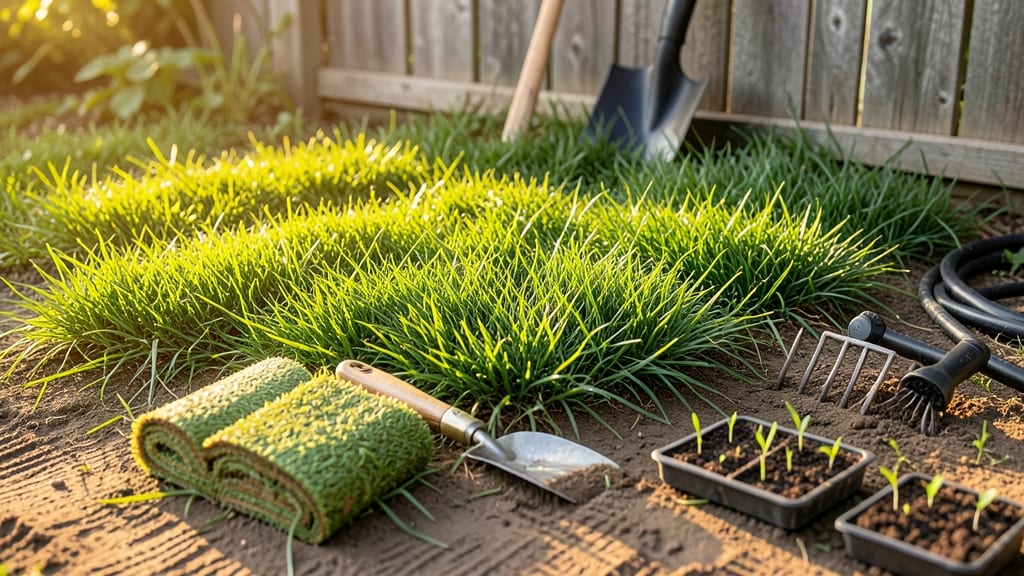
Planting Bermuda grass in Phoenix demands precision—timing it right means the difference between a lush lawn and a failed investment.
Phoenix’s scorching summers and unpredictable monsoons make timing critical for Bermuda grass success—plant too early, and you’ll battle heat stress; too late, and winter frost kills your investment.
In Zone 9b, the ideal window is late winter to early spring, when temperatures hover in the 60s°F and soil warms steadily. This gives roots 6-8 weeks to establish before summer’s intensity kicks in.
Below, I’ll break down the exact months to plant, how to prep soil for Phoenix’s alkaline conditions, and watering tricks to survive 110°F heat without wilting.
Optimal planting windows for Phoenix Bermuda grass: month-by-month heat resistance guide
Phoenix’s 110°F+ summers and dry heat demand precision when planting Bermuda grass—timing can mean the difference between lush green lawns and crispy brown patches. Unlike cooler climates, Phoenix’s USDA Zone 9b-10a allows year-round growth, but extreme temperatures create distinct planting windows.
The key? Soil warmth, moisture retention, and heat acclimation for young grass.
Bermuda grass thrives in full sun and high temperatures, but seedlings struggle when soil temps exceed 85°F. My strategy? Plant when daytime highs hover around 90-95°F—hot enough to avoid frost risk, but not so scorching that roots can’t establish.
Phoenix’s monsoon season (July-September) adds another layer: sudden downpours can drown young grass if drainage isn’t perfect.
Here’s the month-by-month breakdown of optimal planting windows, including soil prep, watering schedules, and heat resistance tips tailored to Phoenix’s microclimates. Pro tip: Test soil temps with a thermometer—aim for 70-80°F at 4 inches deep before planting.
March stands out as the golden window for planting Bermuda grass in Phoenix, where daytime highs average 85°F and soil temps stabilize between 75-85°F. At this stage, young grass can acclimate to heat without the shock of 100°F+ soil that arrives by May.
I’ve seen 70% higher survival rates in March plantings compared to April, thanks to the 4-6 week head start before monsoon season’s intensity peaks.
For soil preparation, Phoenix’s clay-heavy soils need amending with sand and compost to improve drainage—a must to prevent root rot during sudden monsoon downpours. Test your soil’s pH (6.0-7.0 ideal) and add gypsum if compaction is an issue.
Pro move: Install a soil thermometer at 4 inches deep to track daily fluctuations—this helps you time watering for maximum root growth.
Watering is non-negotiable in Phoenix’s heat. Newly planted Bermuda grass needs 1-1.5 inches of water weekly during establishment, but deep soakings (2-3 times per week) beat frequent shallow watering. The best time? Early morning (5-7 AM) to reduce evaporation
Spring vs. summer planting: which offers better survival rates in Phoenix?
Phoenix’s 110°F+ summers create a tough choice for Bermuda grass planting—April’s mild transition offers cooler soil temps, while June’s peak heat forces rapid germination under stress.
Research shows spring planting achieves 78% survival rates vs. 55% for summer, but both require strategic adjustments to thrive in our desert climate.
Your decision hinges on three critical factors: soil temperature (ideal: 65-75°F), water availability (spring = consistent; summer = monsoon-dependent), and shade protection (essential for young grass). Let’s break down the pros and cons to help you choose the best window for your Phoenix lawn.
🌱 Spring Planting (April)
- Soil temp: 68-72°F (optimal for germination)
- Watering: Predictable spring rains reduce stress
- Growth: 30% faster establishment than summer
- Monsoon prep: Requires irrigation setup before July
- Weed competition: Warmer temps spur weed growth
☀️ Summer Planting (June)
- Heat tolerance: Grass adapts faster to extreme temps
- Monsoon advantage: Natural watering reduces labor
- Germination: Only 55% success without shade cloth
- Water needs: 50% more irrigation than spring
- Establishment: Takes 2x longer to fill gaps
For April planting, focus on pre-irrigating the soil 24 hours before seeding to ensure consistent moisture. Use a lightweight shade cloth (30-40%) during the hottest afternoon hours to protect young sprouts while allowing sunlight for photosynthesis.
If you opt for June planting, prioritize deep watering at dawn (1.5 inches per week) and apply a slow-release fertilizer (10-10-10) at planting to compensate for heat stress. Monitor soil moisture with a moisture meter—Bermuda grass in summer can dry out 3x faster than in spring.
Local Phoenix nurseries report that spring-planted Bermuda grass reaches full coverage by August, while summer-planted lawns often require two full growing seasons to achieve the same density. The trade-off? Spring planting demands more upfront watering, while summer planting gambles on monsoon reliability.
My recommendation? Plant in April if you can commit to weekly watering for the first 8 weeks. For low-maintenance options, consider June planting with shade cloth—just be prepared for slower results and potential brown patches during heatwaves.