
Plants
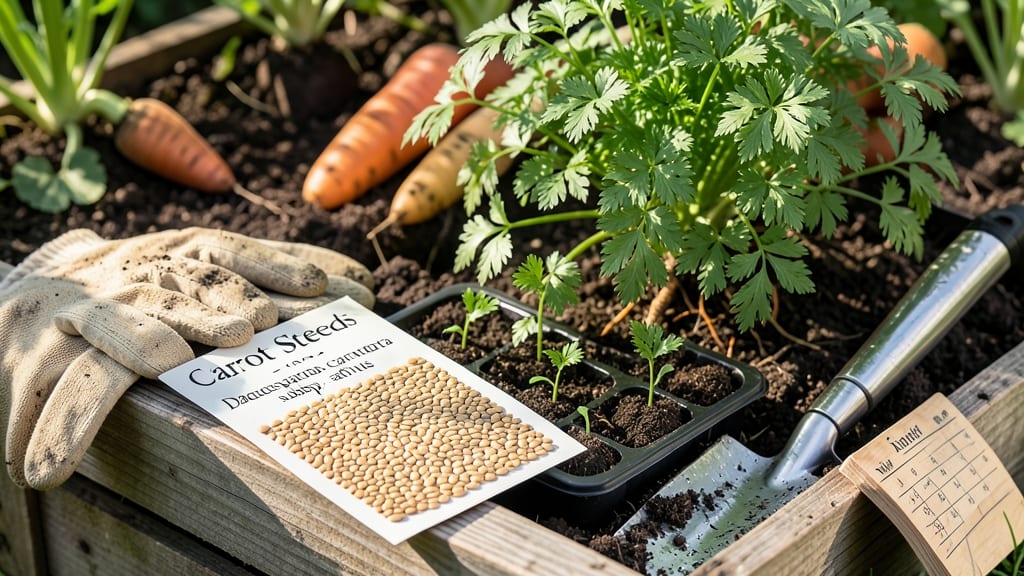
Planting carrots in Seattle at the right time is the key to avoiding forked, bitter roots and maximizing your harvest before the first frost.
Seattle’s unpredictable weather can turn your carrot harvest from sweet success to bitter disappointment—but knowing the exact planting windows for your microclimate ensures crisp, flavorful roots every season.
With USDA Zone 8a conditions, your best bets are early spring (March–April) and late summer (August–September), when soil temperatures hit the 45°F+ sweet spot for germination.
Below, I’ll break down the ideal planting dates, how to extend your season, and the 3 mistakes that wreck Seattle carrot crops—so you can finally grow those perfect, straight 🥕 roots you’ve been dreaming of.
Seattle’s carrot planting calendar: microclimate-specific dates for success
Seattle’s cool, wet climate and microclimate variations between urban, suburban, and rural areas make timing critical for carrot success. The Eastside (like Redmond) often warms 2-3 weeks earlier than the Westside (like Ballard), while urban heat islands can create pockets of warmer soil.
Aim for soil temperatures above 45°F—a must for germination—and adjust your schedule based on your zone.
For spring plantings, the sweet spot is mid-March to early April in most areas, but rural zones can start 2 weeks earlier (late February) if soil isn’t frozen. Fall plantings should begin by mid-August to harvest before the first frost (October 15).
Miss these windows, and you risk bolting (premature flowering) or frozen roots.
Your soil temperature is the ultimate decider. Use a soil thermometer to confirm readiness—carrot seeds won’t germinate below 45°F. In urban areas, concrete and pavement can create heat islands, so plant 1-2 weeks later than rural zones to avoid bolting.
For containers, use fast-draining mixes and plant 2 weeks after your ground-based neighbors to account for heat retention.
Seattle’s short growing season (about 165 frost-free days) demands strategy. Succession planting every 2 weeks from March to August ensures a continuous harvest.
For fall crops, aim to sow by mid-August—any later, and roots won’t mature before frost. Short-day varieties like ‘Paris Market’ or ‘Little Finger’ are ideal for container growing or late-season plantings.
Don’t overlook seed spacing—crowded carrots fork (split) and stay small. Thin seedlings to 2–3 inches apart when they’re 2 inches tall.
In clay-heavy soils (common in Seattle), mix in compost or sand to improve drainage and prevent root deformities. Raised beds are a game-changer for urban gardeners, offering warmer soil and better control over moisture.
Watch for heatwaves in late summer—temperatures above 80°F can trigger bolting. If your seedlings start flowering, harvest immediately or shade them with row covers. Mulch with straw to keep roots cool and evenly moist.
For Westside gardeners, prioritize shade-tolerant varieties like ‘Cosmic Purple’ if your site gets partial sun.
Harvest timing is just as critical as planting. Most varieties take 70 days
How to extend your carrot growing season in Seattle’s cool climate
Seattle’s chilly, damp climate can make growing carrots challenging—but with the right techniques, you can enjoy crisp roots well into fall or even start harvesting earlier in spring. The key lies in protecting tender seedlings from late frosts and extending the growing window with simple tools and smart planting strategies.
One of my favorite tricks is using cold frames or low tunnels to create a microclimate that warms the soil faster in spring. These structures can add 10-14°F to soil temperatures, allowing you to plant 4-6 weeks earlier than the traditional window.
For fall harvests, they also delay frost damage by 2-3 weeks, giving you extra time to enjoy homegrown carrots.
For fall extensions, I recommend planting a final batch in early August using black plastic mulch to warm the soil. This gives carrots enough time to mature before the first frost (typically mid-October in Seattle). Pair this with a lightweight row cover to shield young plants from early chills.
If space is limited, container growing works surprisingly well for carrots. Use deep pots (12+ inches) filled with loose, sandy soil to prevent forking. Place containers in sunny spots and water consistently—containers dry out faster in Seattle’s windy conditions.
Remember, soil temperature is critical. Carrot seeds won’t germinate well below 45°F, so wait until soil warms (use a soil thermometer if unsure). In cooler microclimates (e.g., West Seattle), delay planting by 1-2 weeks compared to warmer areas like Bellevue.