
Flowers
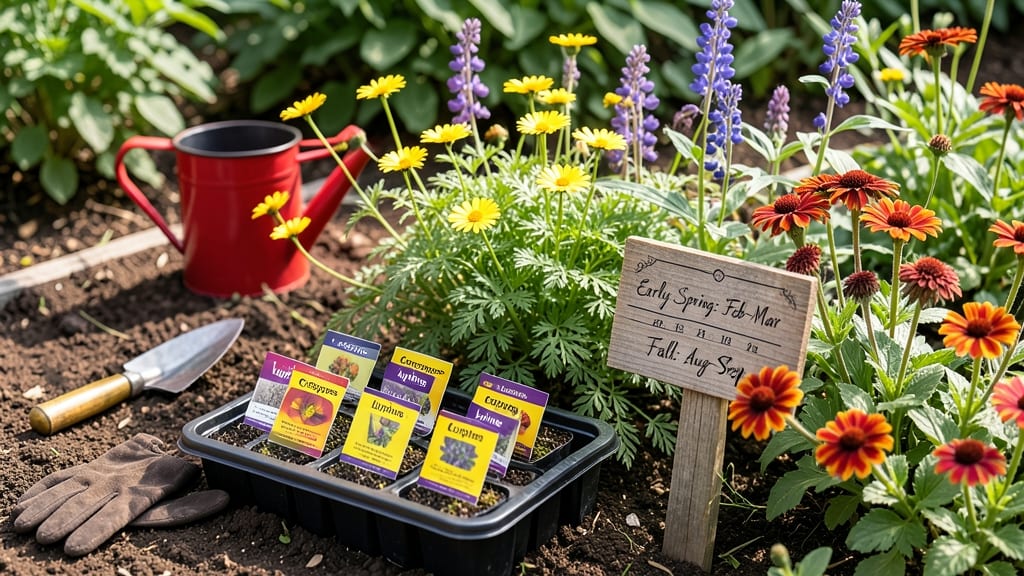
Planting flowers in Alabama depends on your last-frost dates, which shift from late March in the north to early February down south.
Alabama’s diverse climate—from humid coastal areas to cooler mountain regions—means flower planting times vary dramatically. Get your timing wrong, and your blooms could freeze before they flourish.
Whether you’re in USDA Zone 6b or Zone 8a, knowing when to plant your 🌱 flowers ensures vibrant blooms from spring through fall. This guide covers regional adjustments, frost-resistant varieties, and soil prep tips tailored to Alabama’s unique microclimates.
Learn how to align your planting schedule with Alabama’s frost-free windows, extend seasons with mulching, and pick the best flowers for your zone—so you can enjoy a garden that thrives all year.
Alabama’s last-frost dates by region (2024 planting timeline)
Alabama’s last-frost dates vary wildly across its three main regions, making timing everything for your flower garden. In North Alabama (USDA zones 6b-7a), frost can linger until mid-April, while South Alabama (zones 8a-8b) often sees its last freeze by mid-February.
Central Alabama falls somewhere in between, with late March averages. These dates determine when to plant cool-season flowers like pansies versus warm-season bloomers like marigolds.
Understanding your region’s last-frost date is critical because planting annuals or tender perennials too early risks frost damage. For example, petunias and geraniums need soil temperatures above 60°F to thrive, which typically happens 2-3 weeks after your last frost.
Meanwhile, bulbs like tulips should be planted in fall (October-November) to establish roots before winter dormancy.
In North Alabama, where winters are harshest, perennials like coneflowers and black-eyed Susans can be planted in early spring (March) once soil thaws.
For annuals, wait until after Mother’s Day (May 10-14) to ensure no surprise frosts. Bulbs like daffodils should go in October to naturalize and bloom reliably each spring.
Central Alabama’s moderate climate allows for a longer cool-season window. You can start pansies and snapdragons as early as February, while warm-season flowers like zinnias and sunflowers can wait until April. Tender perennials such as salvia or lavender should wait until mid-April to avoid frost damage.
South Alabama’s mild winters mean you can plant warm-season flowers as early as February, but even here, late frosts can occur. Marigolds and cosmos are great choices for early planting, while tropical flowers like hibiscus can often overwinter outdoors. Bulbs like crocuses may bloom as early as January in this region.
To extend your planting window, use row covers or cold frames to protect young plants from late frosts. In North Alabama, this might mean covering petunias until May 1, while in South Alabama, you might plant tender annuals as early as January under protection.
Always check Alabama Cooperative Extension updates for real-time frost alerts.
For bulbs and tubers, timing is equally critical. Tulips and hyacinths need 6-8 weeks of chill before blooming, so plant them in October-November across all regions. Dahlias, which are tender perennials, should wait until after last frost and be dug up before first
Best flowers to plant by Alabama season (with frost-resistance tips)
Alabama’s three distinct climate zones mean your flower planting schedule should differ between North, Central, and South Alabama. Cool-season bloomers like pansies thrive in early spring, while heat-loving zinnias wait for summer’s warmth. The key? Knowing which flowers tolerate late frosts and when to protect tender varieties.
In North Alabama (USDA zones 6b-7a), where frosts linger until mid-April, focus on frost-hardy annuals like snapdragons and sweet alyssum. South Alabama (zones 7b-8a) gardeners can plant tropical flowers like hibiscus as early as February, while Central Alabama (zone 7a) falls somewhere in between with a March 15th average last frost.
🌱 PROS-CONS BOX: WHEN TO PLANT FLOWERS IN ALABAMA
- Pros: Tolerate 32°F+ frosts
- Pros: Bloom in cool weather
- Cons: Struggle in 90°F+ heat
- Pros: Thrive in summer heat
- Pros: Longer blooming seasons
- Cons: Die in freezing temps
- Row covers for early springs
- Microclimates near south-facing walls
- Mulch to insulate roots
- North AL: Wait until after April 15
- Central AL: Plant March 1-April 15
- South AL: Start February 1
For frost-sensitive flowers like marigolds or petunias, use lightweight row covers to shield seedlings until soil warms. My go-to trick is planting warm-season flowers in containers near patios—this lets me move them indoors if frost threatens. Native Alabama flowers like black-eyed Susans also handle temperature swings better than imported varieties.
In fall (September-October), replant cool-season favorites like calendulas and stock flowers. These biennials establish roots early, then bloom next spring. Evergreen shrubs like gardenias (zones 7-10) provide year-round interest with minimal frost protection needed.
Always check the Alabama Cooperative Extension’s frost maps for real-time updates. For example, Mountain City (zone 6b) may see frost until May 10th, while Mobile (zone 8a) rarely drops below 35°F. Adjust your schedule accordingly—your garden’s success depends on it! 🌷
Pro tip: Test soil temperature with a thermometer before planting. Warm-season flowers need soil at 60°F+, while cool-season varieties prefer 45-55°F. This simple check prevents transplant shock and ensures vibrant blooms all season. ☀️