
Plants
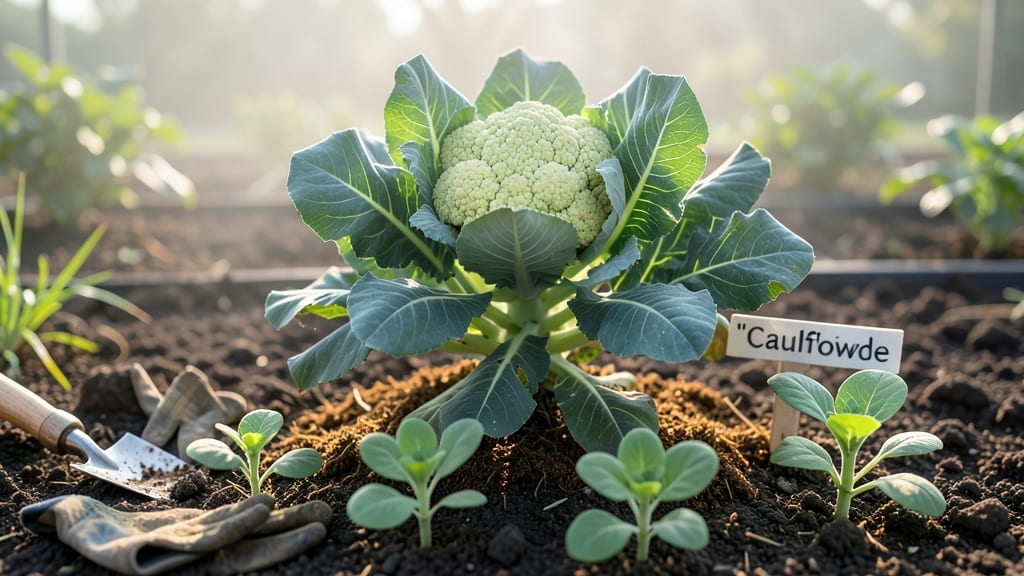
Planting cauliflower at the right time means the difference between a bountiful harvest and a sad, bolted mess 🥬 — and the clock starts 4-6 weeks before your last frost.
Want to grow perfect cauliflower heads without the risk of frost damage? Timing is everything—and getting it right means the difference between a thriving harvest and wasted effort. Miss the window, and you’ll either watch your seedlings freeze or bolt into flowers before forming heads.
Cauliflower thrives in cool weather, so spring and fall are your best bets. In USDA Zone 6a, that means planting in early spring (around March) or late summer (mid-July) for a fall harvest.
But if you live in a warmer climate, you’ll need to adjust—or risk your plants wilting before they mature.
Below, I break down the exact planting schedule by region, how to stretch your growing season with successive plantings, and the 3 biggest mistakes that kill cauliflower before it even starts. Let’s get those heads growing!
Best planting times for cauliflower by climate Zone
Cauliflower thrives in cool weather, making timing critical for a successful harvest. Plant too early, and frost will damage young plants. Plant too late, and heat stress will stunt head formation. The key is aligning your planting window with your USDA hardiness zone and frost-free dates.
Most gardeners focus on two planting seasons: early spring and late summer. Spring plantings rely on cool soil temperatures (below 75°F) to prevent bolting, while fall plantings must avoid early frost before heads mature. Let’s break down the optimal timing for your region.
Pro Tip: Use your average last frost date as your guide. For spring, plant 4-6 weeks before this date. For fall, plant 10-12 weeks before your first expected frost. Adjust based on your cauliflower variety’s maturity time—dwarf varieties (60-70 days) offer more flexibility than standard types (80-100 days).
If you’re in Zones 3-5, focus on spring plantings with a backup fall attempt. These regions have short growing seasons, so choose early-maturing varieties like ‘Snowball Y Improved’ (70 days) or ‘Purple of Sicily’ (80 days).
For Zones 6-7, both seasons work well—just space plantings 3-4 weeks apart for continuous harvests.
In warmer zones (8-10), cauliflower struggles in summer heat. Instead, plant in late summer or fall when temperatures drop. Use shade cloth (30-50%) if planting during summer to keep soil temps below 75°F. Varieties like ‘Romanesco’ (75 days) tolerate heat slightly better than standard types.
Soil Temperature Matters: Cauliflower seeds germinate best in soil between 45-85°F. If your spring soil is too cold (<40°F), start seeds indoors and transplant after last frost. For fall, wait until soil cools to 70°F or below to prevent bolting. Use a soil thermometer to monitor—it’s a game-changer!
One common mistake? Ignoring microclimates in your garden. A south-facing bed warms up faster than a north-facing one, so adjust planting dates accordingly. If your garden gets hotter than average, opt for shorter-day varieties or plant in partial shade during peak afternoon sun.
For container gardening, timing shifts slightly. Containers heat up faster, so plant 2-3 weeks earlier in spring and 1-2 weeks later in fall. Use 5-gallon pots minimum and place them in morning sun to avoid overheating.
Varieties like ‘Miniature White’ (50 days) thrive in containers and are perfect for small spaces.
Finally, don’t forget succession planting! In Zones 6-7, stagger plantings every 2-3 weeks from spring to early summer for a continuous harvest. In Zones 8-10, focus on fall plantings with a second round in winter (if frost-free).
This maximizes your yield and ensures you’re never without fresh cauliflower.
With the right planting timing and zone-specific adjustments, you’ll enjoy plump, flavorful heads all season long. Start with your last frost date, pick the right variety, and give your caulif
How to extend cauliflower season with successive plantings
If you love harvesting fresh cauliflower all season long, successive planting is your secret weapon. By staggering your plantings, you can enjoy a steady supply from early spring through late fall—without risking frost damage or wasted effort.
The key lies in understanding soil temperature needs and aligning them with your local frost dates.
Cauliflower thrives in cool weather (50-75°F) and bolts when temperatures climb above 80°F. That’s why spring and fall plantings work best in most regions.
For example, in USDA Zone 6a, I start my first batch 4-6 weeks before the last frost (around early March) and my final batch in late July for a fall harvest. This strategy maximizes your garden’s potential and minimizes empty rows.
- Early Spring: Plant 4-6 weeks before last frost (soil temp: 40-50°F). Ideal for fast-maturing varieties (60-75 days).
- Late Spring: Sow again 2-3 weeks after first harvest (soil temp: 55-65°F). Choose medium-maturing varieties (75-90 days).
- Early Summer: Plant heat-tolerant varieties (e.g., 'Graffiti') in partial shade. Soil temp: 60-70°F.
- Late Summer: Sow for fall harvest 10-12 weeks before first frost (soil temp: 55-65°F). Use slow-maturing varieties (90-100 days).
For companion planting, pair cauliflower with beans, celery, or onions to deter pests like cabbage moths. Avoid planting near tomatoes or strawberries, as they compete for nutrients.
I also use row covers in early spring or late fall to protect seedlings from unexpected frost, extending my growing window by 2-3 weeks.
Pro tip: Keep a planting journal to track soil temperatures and harvest dates. For example, my fall plantings in Zone 6a always yield better if sown after August 15th, when daytime highs drop below 85°F. This small adjustment prevents bolting and ensures tighter heads.
Don’t forget to harden off seedlings before transplanting—acclimate them to outdoor conditions over 5-7 days. This reduces transplant shock and gives them a stronger start. With these strategies, you’ll enjoy homegrown cauliflower from spring through fall, even in short-season climates!