
Plants
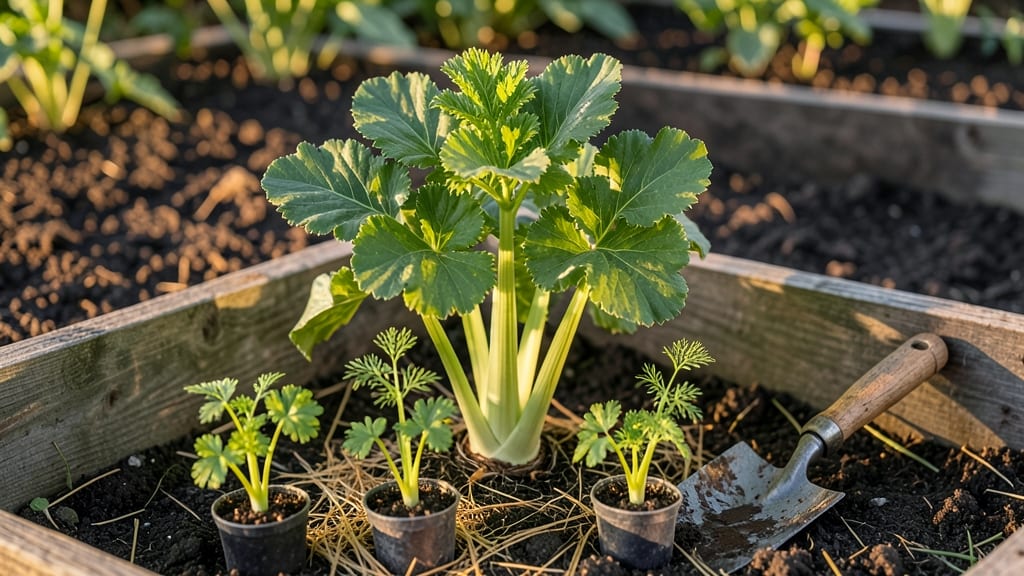
To plant celery in North Carolina, aim for February–March or July–August—timing that avoids frost and heat stress for crisp, sweet stalks.
Celery thrives in North Carolina’s mild climate—but planting it at the wrong time means bitter, stunted stalks instead of crisp, sweet harvests. Timing is everything, and these frost-free tricks will unlock your best celery yield yet.
In USDA zones 7a–8b, coastal areas can start earlier, while the Piedmont waits until after the last frost (usually mid-March). For a fall harvest, July–August sowing gives you 120 days of growth before winter sets in.
Below, I’ll break down the exact frost dates by region, soil temperature secrets for germination, and how to choose the right celery variety for NC’s climate—so you can go from seed to harvest with confidence.
North Carolina’s best planting windows for celery: frost dates & hardiness zones
North Carolina’s diverse climate—from the humid Coastal Plain to the cooler Appalachian Mountains—creates three distinct planting windows for celery. Miss these timelines, and you’ll end up with bolting plants or frost-damaged seedlings. The key? Aligning your planting with USDA zones 7b-8a and regional frost dates to maximize your harvest.
Celery thrives in NC’s mild winters and warm summers, but its cool-season preference makes timing critical. In the Coastal Plain (Zone 8a), you can plant as early as January, while mountain growers in Zone 7b should wait until March.
The difference? 100+ days of frost-free growing season between regions.
Here’s the regional breakdown you need to plan your celery crop:
For Coastal NC growers, the January–March window is ideal for spring harvests, while July–August planting sets up a fall crop. In the Piedmont, delay until February–April to avoid early frosts, and mountain gardeners should stick to March–April for reliable germination.
Summer planting in July–August works across all regions but requires shade cloth in the Piedmont and Mountains to protect seedlings from intense summer heat. Aim for partial shade (4–6 hours of sun) to prevent bolting—a common issue when celery gets too hot.
Pro tip: Use row covers for early spring plantings in the Piedmont and Mountains to extend your growing season by 2–3 weeks. These lightweight fabrics shield young plants from late frosts while allowing sunlight and airflow.
If you’re growing celery in containers, start seeds indoors 10–12 weeks before your region’s last frost date. This gives you a head start on the 120–150-day growth cycle and ensures you’re ready to transplant when soil temps hit 50°F.
For fall harvests, prioritize July–August planting in all regions. Mountain growers can push this to early September if using row covers, but avoid planting after August 15 in the Coastal Plain—heat stress will stunt growth.
Remember: Celery’s crispness depends on cool temps. If your summer planting gets too hot, your stalks will turn woody and bitter. Use mulch to keep roots cool and water deeply in the morning to maintain moisture.
Soil temperature secrets: how to time celery planting for perfect germination
Celery seeds are famously finicky about soil temperature, and getting this right determines whether you’ll harvest crisp stalks or struggle with slow, uneven germination. In North Carolina’s USDA zones 7b-8a, the ideal window hinges on soil warmth—not just air temperature.
Plant too early, and seeds rot; too late, and summer heat stunts growth. The key? 50–70°F soil for consistent sprouting.
Most gardeners miss the mark by relying on air temps alone. A chilly morning might feel perfect for planting, but if the soil is still below 50°F, your celery seeds could take 3+ weeks to germinate—or worse, never sprout.
Even in NC’s mild winters, coastal areas (like Wilmington) can lag behind Piedmont regions (like Raleigh) by 10–14 days in warming up.
To test your soil’s readiness, use a soil thermometer (or a deep meat thermometer) inserted 4 inches deep. In early spring, aim for 55–65°F—this is when most NC gardeners start direct-sowing in late February to early March.
For summer plantings (July–August), soil can handle up to 70°F, but shade cloth becomes essential to prevent bolting. Pro tip: Black plastic mulch warms soil 5–10°F faster than bare earth.
Indoor starts need a seed heat mat (set to 70°F) to jumpstart germination, especially if you’re sowing in January for early spring harvests. Without one, seeds may take 21–28 days to sprout—double the time of ideal conditions.
Once seedlings hit 2–3 inches tall, harden them off for 7–10 days before transplanting into 55°F+ soil to avoid shock.
Slow germination? Blame old seeds (celery seeds lose viability after 1 year) or compacted soil. Loosen beds with a fork and mix in compost to improve aeration. If seeds sprout unevenly, thin to 12 inches apart—crowding stresses plants and leads to bitter stalks.
In NC’s heat, consider shade cloth (30–50%) to keep soil temps stable and prevent bolting.
Remember: Consistency is critical. Celery hates temperature swings—keep soil evenly moist (never soggy) and mulch with straw to maintain warmth. With these tricks, you’ll go from frustrated seedling failures to crisp, homegrown celery in just 120 days. 🥬