
Plants
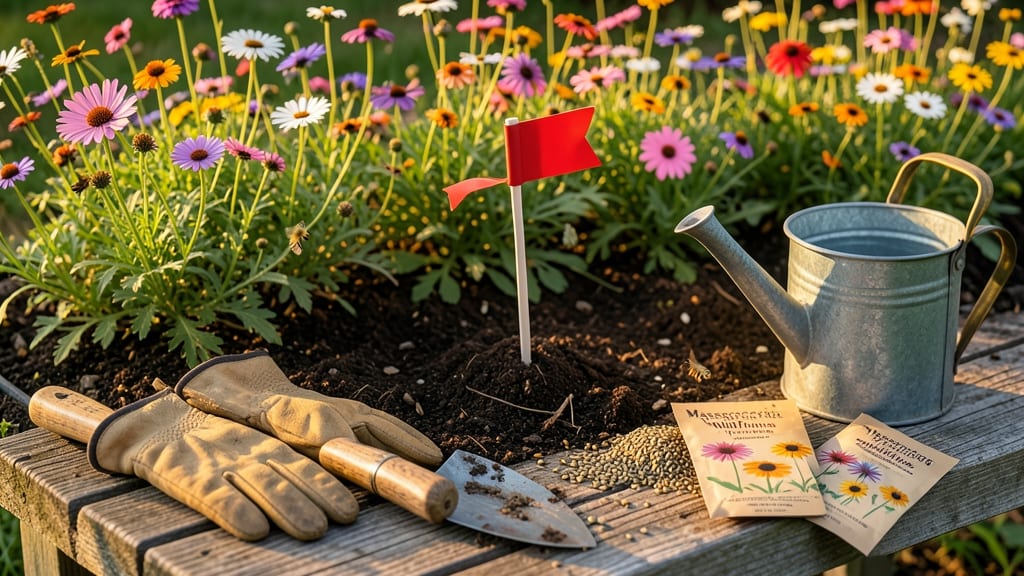
Planting wildflower seeds in Massachusetts at the right time means the difference between a summer meadow and a wasted packet.
Massachusetts gardeners know timing is everything—plant too early, and frost will wipe them out; too late, and summer blooms vanish before you even see them. Master the perfect planting window by zone and variety to transform your yard into a vibrant pollinator paradise by next spring.
With USDA zones 5b-6b across the state, your best bets are late March through early May for spring planting or August to September for fall.
Coastal areas like Cape Cod have a slightly longer growing season, while inland spots near the Berkshires need to act faster to beat the first frost.
Below, I break down the exact frost-free windows by zone, the best wildflower varieties for your region, and how to prep your soil so those seeds take root and bloom like crazy.
Massachusetts wildflower planting calendar by hardiness zones (5-7)
Massachusetts spans USDA hardiness zones 5-7, creating distinct planting windows that can make or break your wildflower success. Coastal areas (like Cape Cod) tend to be 1-2 weeks warmer than inland regions (e.g., Worcester or Springfield), so adjust your timing accordingly.
For zone 5, aim for late April to early May, while zone 7 gardeners can start as early as mid-March. The key is planting when soil temperatures hit 50°F (10°C)—cold soil delays germination.
Fall planting offers a second chance for wildflowers, especially in zones 6-7. Seeds sown in late August to early September benefit from cooler temperatures and winter moisture, often germinating in spring.
For zone 5, stick to mid-September to avoid early frosts. This strategy works best for perennial varieties like coneflowers and black-eyed Susans, which establish deeper roots before winter.
Winter sowing is a low-risk experiment for hardy annuals like cosmos and zinnias. Start in January-February by placing sealed containers with moist seed mix in a sheltered outdoor spot.
Coastal zones (zone 7) can try this earlier, while inland zone 5 areas should wait until March. Monitor for ice buildup—tilt containers to prevent damage.
| Zone | Spring Planting Window | Fall Planting Window | Soil Temp Threshold | Last Frost Date | Notes |
|---|---|---|---|---|---|
| 5 (Inland) | Late April – Early May | Mid-September | 50°F (10°C) | April 20–May 5 | Wait for consistent warmth; use row covers if late frost risk. |
| 6 (Central) | Mid-April – Late April | Late August – Early September | 50°F (10°C) | April 10–April 25 | Ideal for mixed annual/perennial blends; water deeply after planting. |
| 7 (Coastal) | Mid-March – Early April | Late August – Mid-October | 45°F (7°C) | March 20–April 10 | Extend season with early sowing; deer pressure higher in spring. |
| All Zones | January–February (Winter Sowing) | N/A | N/A | N/A | Use for hardy annuals; place in sheltered spots. |
Microclimates play a huge role in Massachusetts. Coastal gardens (zone 7) often see earlier springs and longer falls, while inland areas (zone 5) face sharper frost risks. For example, Boston’s Logan Airport averages 10 days earlier last frost dates than Worcester.
Use local Almanac frost charts or ask at Massachusetts Cooperative Extension offices for hyper-local advice.
Annual wildflowers like cosmos and sunflowers thrive when planted 2-4 weeks after your last frost date. These fast germinators (7–14 days) can handle warmer soil, so don’t rush—wait until soil is workable.
Perennials like milkweed and goldenrod, however, prefer cooler soil (50–60°F) and benefit from fall planting to establish roots before winter.
Preparing your soil is just as critical as timing. Loosen the top 2–3 inches of soil with a rake or hoe to create a fine seedbed. Avoid tilling deeply, as wildflower seeds often need light to germinate.
Mix in compost for nutrients, but skip heavy fertilizers—wildflowers thrive in low-fertility conditions. For clay-heavy soils (common in western MA), amend with sand or peat moss to improve drainage.
Post-planting care varies by season. Spring-sown seeds need consistent moisture—water gently 2–3 times weekly until germination (usually 10–21 days). For fall plantings, water only if soil is dry 1 inch down; winter rains often suffice.
Mulch lightly with straw to retain moisture and suppress weeds, but avoid thick layers that can smother seeds.
Deer and rabbits are major challenges in Massachusetts, especially for new plantings. Protect seeds with chicken wire cages or deer repellent sprays during germination. Once established, taller perennials
Best wildflower seed varieties for Massachusetts seasons & their ideal planting times
Massachusetts' diverse climate—from coastal breezes to inland valleys—means your wildflower success hinges on choosing the right varieties and planting them at the perfect time. Fast-growing annuals like cosmos and zinnias deliver instant summer color, while hardy perennials such as coneflowers and milkweed reward you with years of blooms.
Let’s break down the top performers and their ideal planting windows to ensure your garden thrives from spring to fall.
For coastal MA (zones 6a-7a), aim for early spring (late March) or late summer (August) plantings to avoid salt spray and early frosts.
Inland areas (zones 5b-6b) can push planting slightly later—mid-April to early May in spring or September in fall—when soil temperatures consistently stay above 50°F (10°C). Always check your local last frost date (typically April 15 for most of the state) to time your sowing perfectly.
-
🌱 Black-Eyed Susan (Rudbeckia hirta)
Best for: Full sun, drought-tolerant meadows. Plant in spring (April-May) or fall (September) for 2-year blooms. Thrives in zones 3-9—ideal for MA's climate. -
🌼 Purple Coneflower (Echinacea purpurea)
Best for: Pollinators, long-blooming perennials. Plant seeds in fall (September-October) for spring germination or early spring (March-April) after frost. 6+ hours of sun required. -
🦋 Butterfly Weed (Asclepias tuberosa)
Best for: Monarch butterflies, dry soils. Sow in spring (April-May) or late summer (August). Shade-tolerant in wooded edges—perfect for MA's partial shade gardens. -
🌻 Goldenrod (Solidago spp.)
Best for: Late summer color, wildlife support. Plant in fall (September) for spring blooms or early spring (March). Full sun to partial shade—adaptable to MA's varied light. -
🌸 Cosmos (Cosmos bipinnatus)
Best for: Fast summer blooms, drought-resistant annuals. Direct-sow after last frost (May-June). Full sun lover—ideal for coastal MA gardens with salty air. -
🌿 Wild Bergamot (Monarda fistulosa)
Best for: Shade gardens, hummingbirds. Plant in fall (September) or early spring (March). Thrives in partial shade—perfect for MA's wooded areas.
For shade-loving wildflowers, focus on varieties like wild bergamot or foxglove, which thrive in MA’s wooded areas with 3-6 hours of filtered light. These plants benefit from fall planting (September), as cooler temperatures help seeds germinate without competing with weeds.
In contrast, sun-seekers like black-eyed Susans and cosmos demand 6+ hours of direct sunlight—ideal for south-facing slopes or open meadows.
Pro tip: Mix annuals (e.g., cosmos) with perennials (e.g., coneflowers) to create a multi-season display. Annuals provide instant color, while perennials ensure year-after-year blooms. For example, sow cosmos in May for summer blooms, then add purple coneflower seeds in September for next year’s June-July flowers.
This staggered approach keeps your garden vibrant from late spring to frost.
Don’t overlook deer-resistant varieties like yarrow or lobelia, which thrive in MA’s woodlands and deter browsing. If deer are a problem in your area, plant these in fall (September) when deer are less active.
For coastal gardens, prioritize salt-tolerant species like beach heather or sea lavender, which handle salty winds and sandy soils.
🌻 Whether you’re sowing seeds for pollinators, wildlife habitat, or simply summer color, Massachusetts’ diverse seasons offer two prime planting windows: early spring (April-May) and late summer (August-September).
By matching your wildflower varieties to these ideal times, you’ll enjoy a blooming garden that thrives year after year.