
Plants
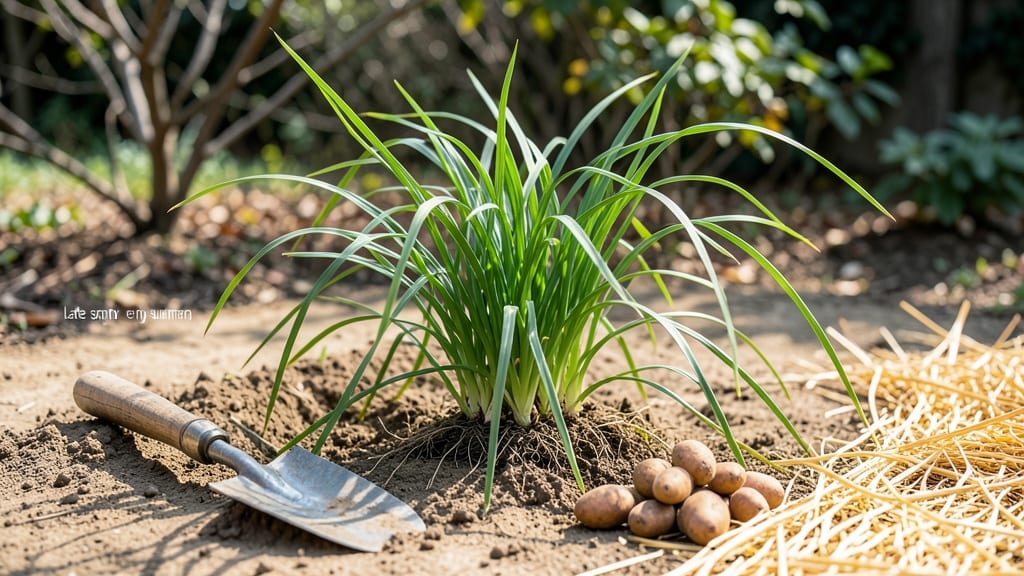
To plant chufa in North Carolina, aim for late spring to early summer when soil temperatures hit 60°F consistently—usually around mid-April to June, depending on your microclimate.
You might think NC’s heat would make chufa a no-brainer, but planting too early risks frost damage in the mountains, while coastal areas can get too hot before the tubers form.
The key is waiting for that sweet spot where the ground warms up just enough to kickstart growth without scorching the young plants.
This guide breaks down the exact planting windows for Piedmont, Coastal, and Mountain regions, plus how to use a simple soil thermometer to avoid common mistakes. Whether you’re in Raleigh or Asheville, you’ll learn how to adjust your schedule for urban heat islands or rural cool pockets.
By the end, you’ll know not just when to plant chufa in NC, but also how to set yourself up for a bigger harvest—without the guesswork that leads to wasted seeds or stunted tubers.
Perfect chufa planting timeline for NC based on soil temperature
Chufa thrives in North Carolina’s climate when planted at the right soil temperature, which triggers germination and strong tuber development. Unlike cool-season crops, chufa needs consistent warmth—at least 60°F soil temperature—to sprout successfully.
Without this, seeds may rot or fail to germinate, wasting your time and resources. The key to success lies in understanding your USDA hardiness zone and local microclimates, which can shift planting windows by weeks.
North Carolina spans USDA zones 6a to 8b, creating distinct planting windows from the Coastal Plain to the Mountains. Coastal areas (like Wilmington) warm up faster, while higher elevations (like Asheville) lag behind.
Even within the same region, urban heat islands or shaded gardens can alter ideal planting dates. To avoid guesswork, I recommend using a soil thermometer—a $10 tool that ensures you plant when conditions are truly right for chufa germination.
Here’s how to use a soil thermometer: Bury it 2 inches deep (chufa’s planting depth) and check readings in the morning for 3–5 days. Wait until the temperature stays above 60°F for 24+ hours before planting. Early mornings are best for readings, as soil temps fluctuate less. Pro tip: If your soil heats up quickly (like in black plastic mulch), you can plant 1–2 weeks earlier than the general guidelines below.
If you’re in the Coastal Plain, you can start chufa as early as mid-April, but avoid planting before the last frost (typically mid-April). The warm, sandy soils here heat up quickly, giving chufa a head start.
In contrast, Mountain regions like Boone or Waynesville should wait until early May—planting earlier risks frost damage or slow germination. For Piedmont areas (Raleigh, Greensboro), aim for late April to mid-May, aligning with when soil temps consistently hit 65°F+.
Urban gardeners in cities like Raleigh or Charlotte often experience heat island effects, where pavement and buildings raise soil temps by 5–10°F. This can shift your planting window 2–3 weeks earlier than rural areas. To test your microclimate, compare your soil thermometer readings to a nearby rural spot.
If your garden runs 5°F warmer, adjust your planting date accordingly. For example, if rural neighbors plant in mid-May, you might start in late April.
Chufa’s growth cycle is long—150–180 days from planting to harvest—so timing is critical. Planting too late (after June 1) risks tubers maturing before the first frost, reducing yield. To maximize your harvest, aim to plant by mid-May in the Mountains and by early May in the Piedmont.
Coastal gardeners have the most flexibility, with a 3-week window from mid-April to early May. Use this buffer to experiment with succession planting if you’re eager for a continuous harvest.
One common mistake is relying on air temperature instead of soil temperature. A warm April day might fool you into planting early, but if the soil is still below 60°F, your seeds will rot.
Always check soil temps for 3 consecutive days before planting. Another tip: If you’re in a shady garden, soil warms more slowly. In these spots, consider using black plastic mulch to
NC microclimate hacks: adjusting planting dates for urban vs rural gardens
North Carolina’s urban and rural areas can have starkly different growing conditions—sometimes just miles apart. Heat islands in cities like Raleigh trap warmth, while mountain towns like Asheville experience cooler nights.
These microclimates shift your chufa planting window by weeks. Understanding these differences helps you avoid late frosts or heat stress that can ruin your crop.
For example, Raleigh’s concrete and asphalt retain heat, keeping soil 5-10°F warmer than surrounding rural areas. This means chufa seeds can germinate 2-3 weeks earlier in urban gardens than in cooler, rural spots.
Meanwhile, Asheville’s higher elevation delays soil warming, pushing planting dates back by 3-4 weeks compared to the Piedmont.
| Factor | Raleigh (Urban) | Asheville (Rural/High Elevation) |
|---|---|---|
| Soil Warming Speed | Faster (heat island effect) | Slower (cooler nights) |
| Ideal Planting Window | Late April - Early May | Mid-May - Early June |
| Soil Temp Threshold | 60°F (achieved earlier) | 60°F (achieved later) |
| Adjustment for Shade | Use 30% shade cloth if planting early | No shade needed; cooler temps help |
| Mulch Thickness | 2-3 inches (retain moisture) | 3-4 inches (insulate soil) |
To adapt your planting schedule, start by checking your local microclimate conditions. Urban gardeners should plant chufa 2 weeks earlier than rural guidelines suggest, while mountain gardeners may need to wait until mid-May or later.
Use a soil thermometer to confirm when temperatures hit 60°F—the magic number for germination.
For extreme microclimates, like a south-facing urban garden or a shady rural spot, adjust with mulch or shade cloth. In hot cities, lay down 30% shade cloth to prevent heat stress during early planting.
In cooler areas, add thick mulch (3-4 inches) to warm the soil faster. Both tricks can shift your planting window by 1-2 weeks.
Proximity to water also plays a role. Gardens near lakes or rivers may experience cooler, humid microclimates, delaying planting by 1 week. Monitor your garden’s unique conditions for a few years to refine your chufa planting schedule—your future harvests will thank you! 🌱