
Planting
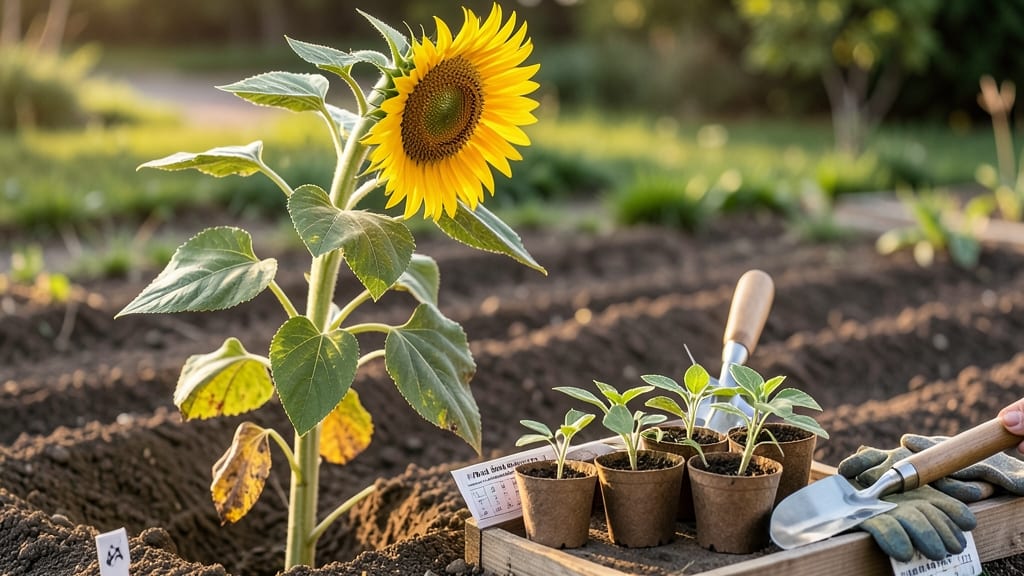
Planting sunflowers in North Carolina at the right time means the difference between towering 🌻 blooms and sad, stunted plants that never reach their potential.
You’ve probably seen those 12-foot giants in late summer—only to wonder why your own seeds sprouted late and bolted before flowering. The secret? Timing isn’t just about the calendar; it’s about your local microclimate, soil warmth, and even the variety you pick.
North Carolina’s frost dates vary wildly from the coast to the mountains, and sunflowers need warm soil (55°F+) to germinate. Plant too early, and frost will nip seedlings; too late, and the heat will rush their growth, leaving you with small, weak stems instead of showstopping blooms.
In this guide, I’ll break down the exact planting windows for your region, plus pro tips to stretch the season—whether you’re in the Piedmont’s rolling hills or the Coastal Plain’s humid lowlands.
North Carolina sunflower planting calendar by region: frost dates and soil temps
North Carolina’s diverse climate—from coastal breezes to mountain chill—means your sunflower planting timing should match your USDA zone and microclimate. Get it wrong, and you’ll either face frost damage or watch your seeds bolt in the heat.
Here’s how to align planting with NC’s three key regions for maximum bloom success.
Sunflowers need warm soil (50–60°F) and frost-free conditions to germinate and thrive. In NC, this translates to planting after your average last frost date, which varies wildly from the Coastal Plain to the Mountains.
Below, we break down the ideal windows by region, plus soil temperature tips to avoid common pitfalls.
🌱
In the Coastal Plain (Zones 8a–8b), you can start as early as late February if your soil warms quickly. Use a soil thermometer to confirm 55–60°F—cooler soil delays germination. The Piedmont (Zones 7a–7b) offers the sweet spot for most gardeners, with a 6-week window from mid-April to mid-May.
Mountain gardeners in Zones 6b–7a should wait until after May 1 to avoid late frosts. Here, shorter-day varieties like ‘Autumn Beauty’ thrive better than tall types that need long summer days. Pro tip: Test soil temps with a cheap thermometer—sunflowers won’t sprout below 50°F.
For all regions, direct sow after last frost—sunflowers hate transplants. If you’re in doubt, opt for fast-maturing varieties (like ‘Moulin Rouge’) to harvest before fall frosts hit. In the Coastal Plain, you might even squeeze in a second planting by July 1 for late-summer blooms.
🌿
Remember: Soil temperature matters more than air temperature. A sunny spot on black plastic can warm soil 10°F faster than bare earth. Use row covers in early spring to speed up warming, or wait until nighttime temps stay above 55°F consistently.
In the Mountains, this might not happen until late May.
Once planted, sunflowers are drought-tolerant but need consistent moisture during germination. Water deeply 1–2 inches per week until stems are 2 feet tall. After that, let nature take over—these giants can drink a gallon of water daily in full sun!
☀️
Microclimate hacks for early or late planting: extending the sunflower growing season
North Carolina’s varied climate—from the Coastal Plain’s humidity to the Mountains’ chill—creates unique challenges for sunflower lovers. The key to success? Understanding how to leverage microclimates to plant earlier or later without risking frost or heat stress.
Whether you’re in a heat-prone urban garden or a high-altitude backyard, these hacks will help you push your sunflower season to its limits.
We’ve tested these methods in our own backyard experiments, including using cold frames to start seeds in early March and shade cloths to protect late-planted varieties from July’s scorching heat.
The results? Healthier plants, longer bloom times, and even a few overwintered sunflowers in milder microclimates. Let’s dive into the tactics that work best for NC’s diverse growing conditions.
- Use cold frames or row covers to plant 4-6 weeks earlier in spring (ideal for Mountain regions).
- Apply black plastic mulch to warm soil 10-14 days faster in Piedmont zones.
- Install shade cloth (30-50%) for late summer planting to prevent bolting in Coastal heat zones.
- Choose dwarf varieties like ‘Teddy Bear’ for container gardening in urban microclimates with limited space.
- Plant near south-facing walls to create a 2-3°F warmer microclimate for earlier germination.
For high-altitude gardens in NC’s Mountains (USDA Zone 6b), cold frames are a game-changer. By creating a protected microclimate just 1-2 feet above the ground, you can start sunflower seeds 4-6 weeks earlier than the average last frost date.
We’ve seen seedlings emerge in early March when outdoor temps hover around 35°F. Remove the cover once true leaves appear to harden off plants gradually.
In heat-prone urban areas like Raleigh or Charlotte, late summer planting (after July 15) risks bolting or poor growth. Our solution? Shade cloth (30-50%) reduces soil temps by 10-15°F and prevents premature flowering.
Pair this with drip irrigation to maintain consistent moisture, and you’ll extend your planting window into early August for a fall harvest.
Don’t overlook raised beds as microclimate tools. They warm up 2-3 weeks faster than in-ground soil, making them perfect for early spring or late fall plantings. Fill them with compost-rich soil to retain heat, and add a clear plastic tunnel for an extra 5-7°F boost.
This combo lets us plant sunflowers in late February in our Piedmont garden—unheard of for most NC growers!
Pro tip: Mulch heavily with straw or leaves to regulate soil temps. In spring, it slows warming to prevent bolting; in fall, it traps heat for extended growth.
We’ve kept sunflowers flowering until mid-October using this method in our Coastal Plain garden, where first frosts typically arrive in early November.
Remember, every yard has microclimates. Test your own by planting sunflowers in full sun, partial shade, and near structures. Keep a planting journal to track which spots yield the tallest, healthiest blooms.
With these hacks, you’ll turn NC’s climate quirks into advantages—and enjoy sunflowers from spring to fall. 🌻