
Companion Plants
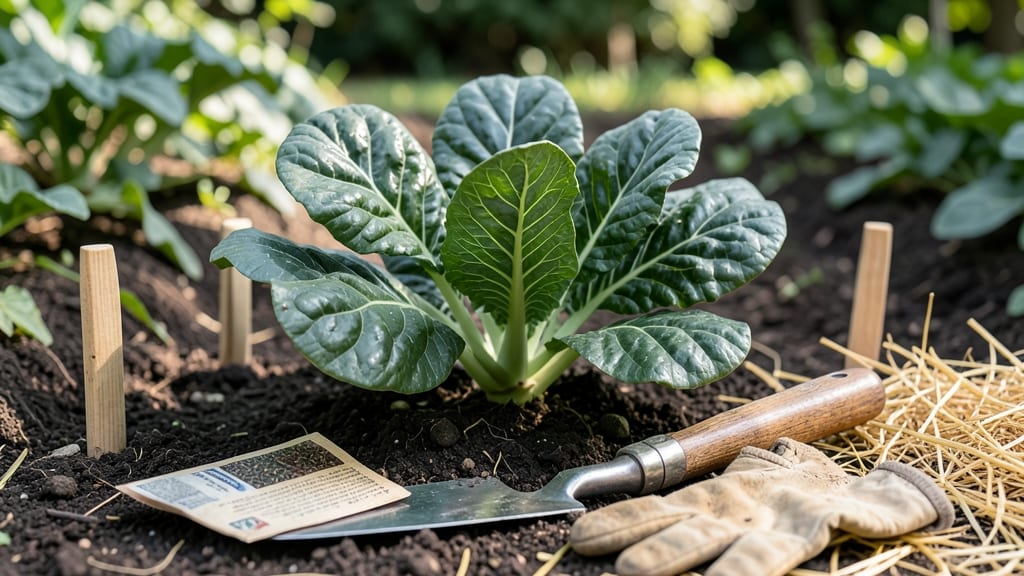
To plant collard seeds in NC, aim for mid-March to early April in most zones, or late August for a fall harvest—timing this right means tender, sweet greens instead of bitter or stunted plants.
Here’s the catch: get it wrong, and you’ll either wait forever for germination or watch your seedlings bolt before they mature. North Carolina’s USDA Zones 7b and 8a offer a narrow frost-free window, but with the right prep, you can stretch your harvest from spring to winter.
This guide breaks down the exact planting dates by zone, soil tricks to speed up germination, and how to beat early frosts—so you’re harvesting crisp, flavorful 🥬 collards by June and again in late fall.
You’ll also learn how to extend your season with succession planting and cold-hardy varieties, plus the one soil mistake that kills 90% of NC gardeners’ collard starts.
Optimal collard seed planting dates in NC by USDA Zone (7b vs 8a)
North Carolina’s USDA Zones 7b and 8a offer two distinct windows for planting collard seeds, but timing directly impacts your harvest’s sweetness and yield. In Zone 7b, cooler temperatures arrive earlier, while Zone 8a enjoys longer growing seasons.
Both zones benefit from spring and fall plantings, but the exact dates vary by last frost and soil temperature thresholds.
Collards thrive when soil temperatures reach 45°F—ideal for germination—but they also tolerate light frosts, making them perfect for early spring and late summer sowing. Missing these windows risks bolting (premature flowering) or stunted growth.
Let’s break down the optimal planting dates for each zone, including adjustments for early vs. late varieties.
| Factor | USDA Zone 7b | USDA Zone 8a |
|---|---|---|
| Last Frost Date | March 15 | April 1 |
| First Frost Date | October 15 | November 15 |
| Ideal Spring Planting | March 1 - April 15 | March 15 - April 30 |
| Ideal Fall Planting | August 1 - September 15 | August 15 - October 1 |
| Soil Temp for Germination | 45-65°F | 45-65°F |
| Early Variety Adjustment | Plant 2-3 weeks earlier | Plant 1-2 weeks earlier |
| Late Variety Adjustment | Plant 2-3 weeks later | Plant 1-2 weeks later |
| Harvest Window (Spring) | May - June | May - July |
| Harvest Window (Fall) | October - November | November - December |
For Zone 7b, aim to plant collard seeds between March 1 and April 15 for spring harvests. This window ensures soil warms to 50°F+ while avoiding late frosts that can damage seedlings.
In Zone 8a, you’ve got flexibility until April 30 due to later frosts, but don’t delay past May 1—summer heat will cause bolting.
Fall plantings are equally critical.
In Zone 7b, sow seeds from August 1 to September 15 to harvest before the October 15 first frost. Zone 8a gardeners can extend this to October 1, taking advantage of milder winters. Soil temperature drops below 50°F after these dates, slowing germination.
Adjust for early vs. late varieties: Early varieties (like ‘Georgia Southern’) can handle 2-3 weeks earlier planting in Zone 7b or 1-2 weeks earlier in Zone 8a. Late varieties (e.g., ‘Vates’) tolerate delayed sowing by the same margins, ideal for succession planting.
Pro tip: Use row covers to push Zone 7b spring plantings 2 weeks earlier or extend Zone 8a fall harvests into December. Monitor soil temperatures with a soil thermometer—collards germinate best
How to extend your collard harvest season in North Carolina
North Carolina’s mild winters create the perfect opportunity to enjoy fresh collards nearly year-round—but only if you plant them strategically. Unlike spring plantings that bolt in summer heat, fall and winter collards thrive when temperatures drop, delivering sweeter, hardier greens.
The key? Start early enough to establish roots before the first frost, then use succession planting and cold-resistant varieties to keep your harvest flowing.
I’ve grown collards in both USDA Zone 7b (mountain regions) and Zone 8a (coastal areas), and the difference in timing is critical.
In Zone 7b, you’ve got about 120 days between your last frost (March 1) and first frost (October 15), while Zone 8a enjoys a longer 140-day window (March 15 to November 30). This means coastal gardeners can push their harvest later, but mountain growers need to act faster.
- 📅 Plant fall seeds by August 15 (Zone 7b) or September 1 (Zone 8a) to avoid summer heat stress and ensure a mature harvest before frost.
- 🌡️ Choose cold-hardy varieties like ‘Georgia Southern’ or ‘Vates’—they tolerate temps down to 15°F and sweeten after light frost.
- 🌿 Use succession planting: Sow every 3 weeks from August to October for a staggered harvest through winter.
- 🍂 Mulch heavily with straw or leaves (3–4 inches) to insulate roots and protect against 20°F dips without damaging plants.
- ☀️ Place beds in full sun (6+ hours) but protect from harsh afternoon winds with burlap windbreaks in exposed areas.
One of my favorite tricks is interplanting collards with radishes. The radishes mature quickly (in about 30 days), leaving space for collards to fill in—no wasted garden real estate!
I also plant a small winter patch (about 4x4 feet) near my kitchen door so I can harvest daily without trekking through the yard. This works especially well in Zone 8a, where winters are milder.
Don’t forget to harvest strategically to encourage regrowth. Collards are cut-and-come-again crops—snip the outer leaves first, leaving the inner growth intact. This method keeps plants producing for 6–8 months if you start early.
I’ve had collards survive until January in Zone 8a with proper mulching and a row cover on especially cold nights.
For gardeners in Zone 7b, consider starting a microgreen batch indoors in late winter (February) using grow lights. This gives you fresh greens when outdoor plants slow down. Just use seed trays and keep them under 12–14 hours of light daily—they’ll be ready in about 3 weeks.
Combine this with your fall-planted outdoors for a year-round supply.
Remember, collards love the cold—their flavor actually improves after a light frost! With these strategies, you’ll enjoy homegrown greens from October through March, even in North Carolina’s chillier months. Happy growing! 🥬