
Plants
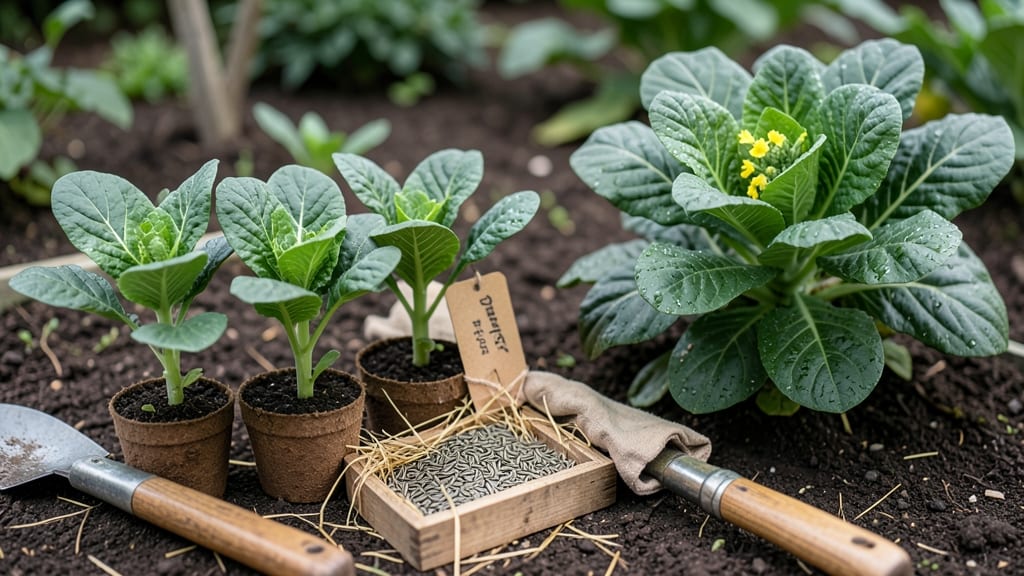
Planting collards in Florida at the right time means avoiding the brutal summer heat and bolting before harvest — and the best windows are actually September-October and March-April for year-round success.
Picture this: you’ve got 60 days until harvest, but your collards 🥬 bolted in May, leaving you with bitter leaves instead of tender greens. That’s why timing matters more than you think, especially in Florida’s 8a-11 zones.
In this guide, I’ll break down the exact months to plant by region, how to stretch your growing season with shade and mulch, and the one mistake that ruins collards faster than heat.
You’ll leave here knowing when to plant, how to protect your crop from Florida’s extremes, and which varieties stay sweet even when temperatures climb.
Best planting windows for collards in Florida’s climate zones
Florida’s diverse climate zones—from the cooler North to the tropical South—create unique challenges and opportunities for growing collards. Unlike northern states, Florida’s mild winters and long growing season allow for year-round production, but timing is critical to avoid heat stress or bitter leaves.
The key is planting during cooler months while leveraging Florida’s frost-free windows.
In Northern Florida (Zones 8a-8b), like Jacksonville or Gainesville, light frosts can occur in January, while Southern Florida (Zones 10a-11), such as Miami or Naples, enjoys frost-free conditions year-round.
Central Florida (Zone 9a) falls somewhere in between, with mild winters but occasional cool snaps. Understanding these microclimates helps you choose the best planting windows for your region.
Here’s a region-specific breakdown of when to plant collards in Florida, including strategies for heat resistance and frost protection to maximize your harvest:
For Northern Florida, the fall planting window (September-October) is ideal because temperatures begin to cool, reducing the risk of bolting (when plants flower prematurely). By late October, collards should establish roots before winter sets in.
In spring (March-April), plant as soon as soil temperatures drop below 85°F, ensuring seedlings don’t succumb to heat stress.
In Central Florida, the transition months (August-September) offer a sweet spot—warm enough for germination but not yet scorching. If you plant in February-March, you’ll avoid the hottest summer months (June-July) and still have a harvest before temperatures rise.
Use drip irrigation to keep leaves crisp during these transitional periods.
Southern Florida’s frost-free climate means you can plant collards year-round, but the best flavor comes from crops grown in cooler months (September-October and March-April). During peak summer (May-August), provide afternoon shade with 30-50% shade cloth to prevent leaves from becoming bitter or wilted. Succession planting every 2-3 weeks ensures a continuous harvest.
Regardless of your Florida region, soil preparation is key. Amend your soil with compost or aged manure to improve drainage and fertility. Collards thrive in well-draining, slightly acidic soil (pH 6.0-6.8).
Before planting, conduct a soil test to adjust pH if needed—this prevents nutrient deficiencies that can make leaves yellow or stunted.
Protect young seedlings from pests like cabbage worms and flea beetles by using row covers or neem oil sprays. In Northern Florida, a lightweight frost cloth can shield plants from unexpected freezes (below 30°F).
For Southern Florida, focus on shade and mulch to combat humidity-related diseases like down
How to extend collard growing seasons with heat tolerance hacks
Florida’s summer heat can turn collards bitter or cause them to bolt prematurely, but with the right strategies, you can grow them year-round. The key is heat tolerance hacks that protect your plants while keeping them productive.
From shade cloth timing to mulching methods, these techniques help maintain crisp, flavorful leaves even during the hottest months.
Collards thrive in cooler temperatures but can survive Florida’s summer if given proper care. Heat-resistant varieties like 'Top Bunch' and 'Georgia Southern' are excellent choices because they tolerate higher temperatures better than traditional types. Pairing these varieties with smart watering and shading ensures a continuous harvest.
- Use 30-50% shade cloth during peak summer (June-August) to reduce leaf stress. Install it by early June to protect young plants.
- Mulch heavily with 3-4 inches of straw or wood chips to keep roots cool and retain moisture. Replenish mulch every 4-6 weeks.
- Succession plant every 3 weeks from September to November for a staggered harvest. This prevents overcrowding and ensures fresh leaves.
- Water deeply in the morning (1-1.5 inches per week) to encourage strong root growth. Avoid evening watering to reduce fungal risks.
- Choose heat-tolerant varieties like 'Top Bunch' or 'Georgia Southern'. These handle Florida’s heat better than standard collards.
Timing is critical when it comes to succession planting. Start your first batch in early September to harvest before the worst heat arrives. Follow up with new plantings every 3-4 weeks through November.
This staggered approach ensures you always have fresh leaves while avoiding the stress of peak summer temperatures.
Mulching is one of the simplest yet most effective heat tolerance hacks. A thick layer of organic mulch (like straw or wood chips) acts as insulation, keeping soil temperatures stable and reducing water evaporation.
For best results, apply mulch right after planting and refresh it every 4-6 weeks to maintain its effectiveness.
Don’t overlook the power of shade cloth during Florida’s brutal summer months. A 30-50% shade cloth reduces heat stress while still allowing enough light for growth. Install it by early June and remove it in late August to give plants a chance to harden off before cooler weather returns.
With these heat tolerance hacks, you can enjoy fresh collards even in Florida’s summer. Focus on shade, mulch, succession planting, and heat-resistant varieties, and you’ll have a thriving garden all year long. Happy growing!