
Plants
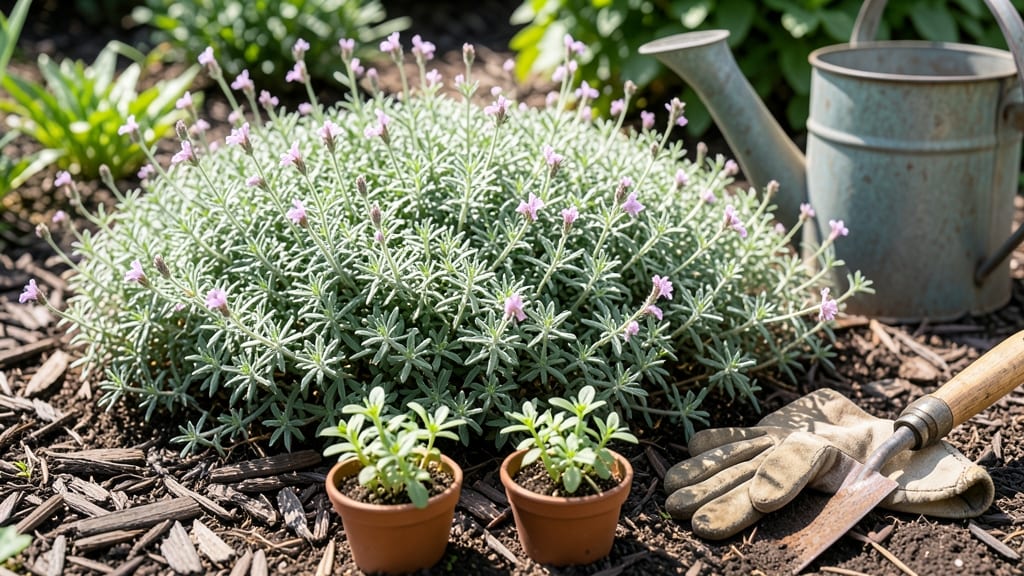
To plant creeping thyme in Colorado, aim for early spring or late summer when soil temperatures hit 50°F—just as the last frost threatens to retreat.
Colorado’s unpredictable frost cycles can make or break your creeping thyme garden—but timing it right means lush, frost-resistant ground cover all season long.
Most gardeners in zones 5-7 swear by late April or early May, when the ground warms but the air still holds a chill. That’s when your 🌿 thrives without racing against late frosts.
Below, I’ll break down the exact soil temp tricks to plant creeping thyme so it survives Colorado’s cold snaps—and how to prep your soil for zero frost damage.
Best planting times for creeping thyme in Colorado’s climate zones
Colorado’s diverse climate zones—from the Front Range’s urban heat islands to the Western Slope’s high-desert elevations—create unique challenges for planting creeping thyme. Unlike annuals, this hardy perennial thrives when planted at the right soil temperature, typically between 50-60°F, to avoid frost damage.
I’ve planted creeping thyme across USDA Zones 5-7 and learned that timing varies by microclimate—what works in Denver may fail in Grand Junction.
Most gardeners focus on spring planting, but Colorado’s fall window (September-October) can be just as successful—if you account for first frost dates. The key is planting 6-8 weeks before your area’s average first frost, giving roots time to establish before winter dormancy.
For example, in Zone 5 (like Fort Collins), aim for late August to early September, while Zone 7 (Albuquerque area) can extend planting until mid-October.
Soil temperature is your best friend here. Use a soil thermometer to confirm 50°F+ readings at a 4-inch depth. In Colorado, this usually aligns with late April to early May for spring planting, but high-altitude areas (like Eastern Plains) may need to wait until mid-May. Pro tip: Morning sun warms soil faster, so plant on south-facing slopes if possible.
Here’s how Colorado’s three main regions differ in their ideal planting windows:
Spring planting gives creeping thyme a full growing season to establish roots before winter, but fall planting reduces competition from weeds and drought stress. I’ve had the most success with fall planting in Zone 6 (like Colorado Springs), where the soil stays workable longer than in colder zones.
Just avoid planting when frost is forecast within 2 weeks—young plants won’t survive.
For high-altitude gardens (above 7,000 ft), like those in Boulder County, extend your spring window by 2-3 weeks. These areas often experience late snowmelt, so wait until mid-May when soil is consistently 50°F+.
In contrast, lowland areas (like Pueblo) can plant as early as late March if using black plastic mulch to warm the soil.
One mistake I see often is planting creeping thyme too early in spring, when soil is still cold but air temperatures rise. This leads to root rot from soggy soil. Always check soil temperature—not air temperature—before planting. A soil thermometer is a $15 investment that saves hours of frustration.
If you’re in Zone 5 (like Fort Collins), consider container planting for extra flexibility. Containers warm up faster in spring and can be moved
How to extend creeping thyme’s frost survival with soil prep tricks
Colorado’s late spring frosts can turn your creeping thyme into a sad, brown carpet—but with the right soil prep, you can shield those delicate roots. The key lies in creating a protective root zone that insulates against temperature swings.
I’ve learned that even hardy creeping thyme (Thymus serpyllum) needs a little extra love when planted in USDA zones 5-7, especially in high-altitude areas like Denver or Colorado Springs.
Start by testing your soil’s drainage and organic matter. Creeping thyme hates soggy roots, but it also needs nutrients to bounce back from frost. Amend heavy clay soils with compost or coarse sand to improve aeration while adding organic matter to sandy soils.
Aim for a well-draining, slightly alkaline soil (pH 6.0-7.5)—this gives your thyme the best chance to recover from cold snaps.
- 🌱 Add 2-3 inches of compost or leaf mold to planting holes for insulation and nutrients.
- 🪴 Plant 1/2 inch deeper than nursery pots to protect crowns from frost heave.
- 🌿 Use 3-4 inches of straw mulch (not wood chips) to regulate soil temps without smothering.
- ☀️ Choose south-facing slopes or protected microclimates (e.g., near buildings) to delay frost exposure.
- ✂️ Trim back 1/3 of growth in early spring to stimulate dense regrowth after frost.
When planting, focus on planting depth. Many gardeners make the mistake of setting creeping thyme too shallowly, leaving the crown exposed to frost heave. I dig holes 1/2 inch deeper than the root ball and backfill with a mix of 50% native soil and 50% compost.
This creates a buffer zone that keeps roots warmer overnight. For high-altitude gardens above 7,000 feet, consider adding a lightweight row cover (like frost cloth) during late spring cold snaps—it’s a game-changer for survival.
Mulching is another non-negotiable step in Colorado’s climate. Avoid thick layers of wood chips, which can smother thyme’s shallow roots. Instead, use straw or shredded leaves—they insulate without compacting. Apply 3-4 inches after planting and refresh it annually.
Pro tip: I always leave a 1-inch gap between the mulch and stems to prevent rot. For extra protection during unpredictable late frosts, I’ve had success with low tunnels made from PVC pipes and row covers.
Don’t forget about microclimate selection. Creeping thyme thrives in sunny spots, but in Colorado, the sunniest areas can also be the coldest at night. Plant near south-facing walls, fences, or rocks to absorb and radiate heat back to the soil.
Even a 6-inch difference in elevation can mean the difference between frost survival and failure. I’ve noticed my thyme in Denver’s urban heat islands (like LoDo) handles frost better than plants in the mountain foothills—location matters!
Finally, give your creeping thyme a head start by planting in early spring (March-April) when soil temps hit 50°F. If you’re in a high-altitude zone (zone 5), wait until mid-April to avoid early frosts.
For fall planting, aim for late August to early September—this gives roots time to establish before winter. Water deeply after planting, but reduce frequency as temps drop. A well-prepped soil holds moisture better, so your thyme stays resilient.