
Plants
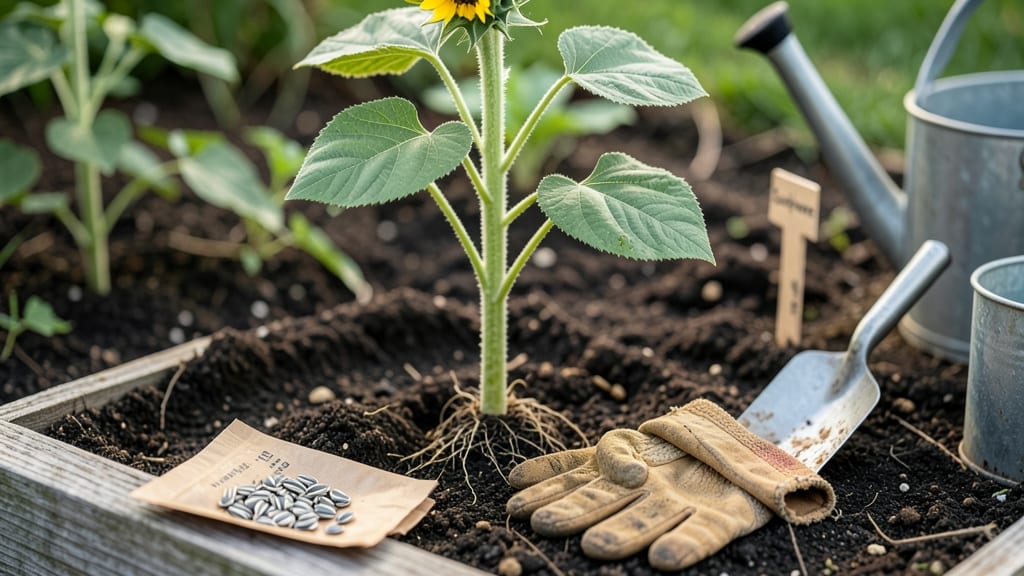
To plant sunflower seeds outside at the right time means waiting until the soil is at least 40°F—but the secret to fast germination lies in a warmer trigger you might be missing.
Sunflowers bring joy to any garden with their towering stems and vibrant blooms—but planting them at the wrong time can mean slow growth or stunted plants. Timing your outdoor sunflower seeds perfectly ensures fast germination and a thriving harvest, and soil temperature is the secret trigger most gardeners overlook.
In USDA Zone 6a, like much of the Midwest, that means waiting until after the last frost date—typically mid-April to early June. But even then, soil temperature matters more than the calendar.
Cold soil slows sprouting, while warm soil (above 60°F) gets those seeds popping in just 5-10 days.
Below, I’ll walk you through how to test your soil, adjust for your local climate, and prep seeds for the fastest possible start—so you’re not waiting months for those cheerful 🌻 faces to appear.
Ideal soil temperature ranges for planting sunflower seeds outside
Sunflower seeds (Helianthus annuus) are sensitive to soil temperature, and planting them too early or late can delay germination by weeks. The minimum safe soil temperature for sunflowers is 40°F to 45°F, but seeds germinate fastest when soil reaches 60°F or warmer.
Understanding these thresholds helps you time your planting for optimal growth and avoids the frustration of slow sprouting.
Most gardeners rely on last frost dates, but soil temperature tells a more accurate story. Even if frost is gone, cold soil can stall germination.
For example, in USDA Zone 5, where last frost often occurs around May 15, soil may still be 50°F—too cool for sunflowers. Waiting until soil hits 60°F (usually late May to early June) ensures faster, more reliable sprouting.
To test soil temperature accurately, use a soil thermometer buried 1 inch deep (the planting depth for sunflower seeds). Check temperatures in the morning for 3-5 consecutive days—this gives you the most consistent reading.
If your soil is below 45°F, hold off on planting; seeds may rot in cold, wet conditions. Aim for 60°F+ for the best germination rates.
Here’s a quick reference for ideal planting windows based on soil temperature and USDA zones:
In cooler climates (Zones 3-5), planting sunflower seeds too early—even after frost—can lead to rot or delayed germination. For example, in Zone 4, where last frost is around May 1, soil may still be 48°F in early May.
Waiting until late May, when soil hits 60°F, ensures seeds sprout within 7-10 days instead of 3+ weeks.
Warmer zones (6-10) offer more flexibility, but timing matters even here. In Zone 9, planting in late summer (August) risks bolting (premature flowering) due to heat stress.
Instead, opt for early spring (March-April) or fall (September-October) when soil is 55°F-65°F. This balance prevents heat shock while still allowing seeds to germinate quickly.
Pro tip: If you’re eager to plant early, use black plastic mulch to warm the soil by 5-10°F. Lay it down 1-2 weeks before planting to create a microclimate that speeds up soil warming.
This is especially useful in northern zones (3-5), where soil can lag behind air temperature.
For container gardening, soil warms faster in pots, so you can plant 1-2 weeks earlier than in-ground. Monitor soil temperature closely, as pots can also dry out quicker. Keep containers in a sunny, sheltered spot to maintain consistent warmth and moisture.
Remember, sunflowers are fast growers but need warm soil to thrive. By aligning your planting with soil temperature—rather than just frost dates—you’ll see stronger seedlings, faster growth, and healthier blooms all season long. 🌻
Best planting timing strategies by climate Zone for maximum germination
Timing your sunflower seeds correctly depends entirely on your climate zone and last frost dates. In cold climates (USDA Zones 1-5), aim for planting 2-3 weeks after your average last frost date—typically mid-April to early May.
For warm climates (Zones 7-10), start seeds in late winter (February) for early spring blooms or late summer (August) for fall varieties.
Transitional zones (Zones 6-7) offer flexibility: plant early spring (March) for summer blooms or late summer (July) for fall harvests. Always check your frost-free dates—sunflowers cannot tolerate frost, even as seedlings.
Use succession planting in warm zones to extend harvests by sowing new seeds every 2-3 weeks until mid-summer.
For cold climates, I recommend planting dwarf varieties like 'Teddy Bear' (3-4 feet tall) earlier in the season—they mature faster and tolerate cooler soils. In warm climates, opt for heat-tolerant varieties like 'Moulin Rouge' (red-petaled) and plant in late summer to avoid bolting from heat stress.
Always space seeds 6 inches apart and thin to 12-24 inches as they grow.
Pro tip: Mark your calendar with frost dates from your local cooperative extension service. In Zone 6a (like my garden!), I plant mid-April for summer blooms and July 1st for fall harvests. Succession planting in warm zones lets me enjoy sunflowers from June through October!
If you're unsure about your last frost date, check the USDA Plant Hardiness Zone Map and add 2-4 weeks to your average date for safety. Sunflowers are fast growers—most varieties reach harvestable size in 60-90 days, so timing matters less than soil warmth.
Just avoid planting when nighttime temps drop below 50°F.
For container gardening, plant seeds 1-2 weeks earlier than ground planting—pots warm up faster. Use black plastic mulch to raise soil temps by 5-10°F in cooler climates. And remember: sunflowers love heat, but they hate soggy soil. Well-draining soil is non-negotiable!