
Plants
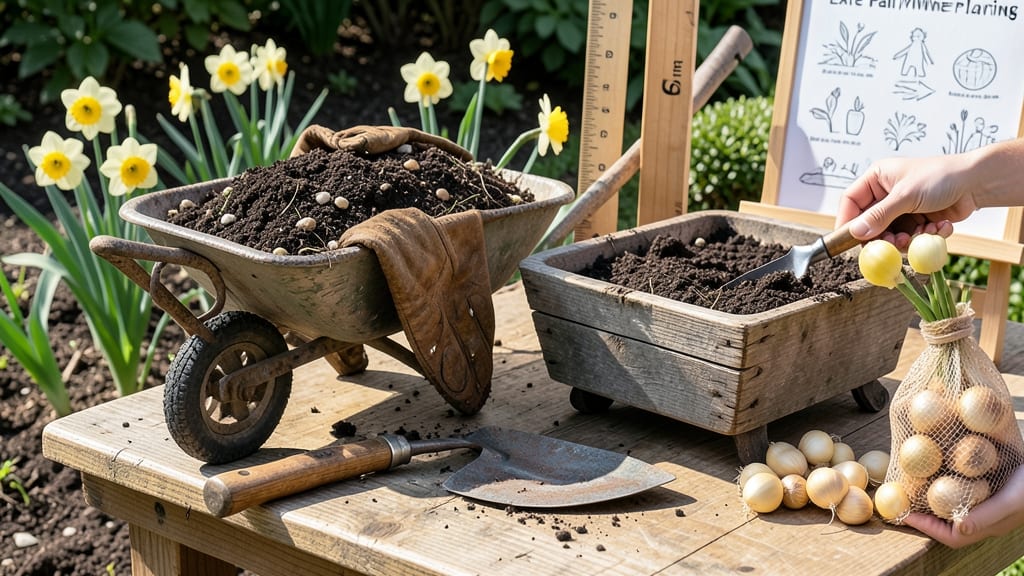
Planting daffodil bulbs in California between October and December ensures vibrant spring blooms 🌼 — but timing varies wildly from coastal chill to desert warmth.
Miss that window, and you might end up with bulbs that rot in the heat or freeze before they root. I’ve seen both happen in my own garden, and the difference between success and failure often comes down to knowing your microclimate.
California’s USDA Zones 9-10 mean frost-free winters in some areas, while others still get surprise cold snaps. Below, I break down the best months by region, soil prep tips, and how to adjust if your fall gets weird.
You’ll learn how to time it perfectly for zero-frost success, whether you’re in coastal San Francisco or the inland valleys of the Central Coast.
California’s ideal daffodil planting months by USDA Zone and microclimate
California’s diverse microclimates make timing critical for daffodil bulb success. While most regions thrive with fall planting, coastal areas, desert valleys, and mountain foothills each have unique frost-free windows. Getting this right ensures vibrant spring blooms instead of wasted bulbs.
Daffodils need 6-8 weeks of cool soil temperatures (50-60°F) to establish roots before winter dormancy. In USDA Zones 9-10, this means planting between October and December, but exact timing shifts dramatically from coastal San Francisco to desert Palm Springs.
The key factor? First frost dates—which vary wildly. Northern California’s Zone 7b (e.g., Redding) may see frost by mid-November, while Zone 10a (e.g., Palm Desert) stays frost-free year-round. Below, I’ve broken down the optimal planting windows by region and microclimate.
| USDA Zone | Microclimate | First Frost Date | Ideal Planting Window | Soil Temp Goal | Key Tip |
|---|---|---|---|---|---|
| 5a-7b | Mountain Foothills (e.g., Tahoe Basin) | Mid-October | Late September - Early October | 50-60°F | Plant early to avoid early frosts |
| 8a-9b | Northern Coast (e.g., San Francisco) | Mid-December | October - November | 55-65°F | Cooler soils delay planting |
| 9a-9b | Central Valley (e.g., Sacramento) | Late November | October - November | 60-70°F | Warmer soils extend window |
| 9b-10a | Southern Coast (e.g., Los Angeles) | None (rare) | November - December | 65-75°F | Plant anytime in fall/winter |
| 10a | Desert (e.g., Palm Springs) | None | December - January | 70-80°F | Use shade cloth for bulbs |
For Zone 5a-7b (e.g., Mount Shasta), plant by mid-October—earlier than most gardeners expect. These high-elevation areas experience earlier frosts, so don’t wait for "typical" fall planting dates. Use a soil thermometer to confirm 50-60°F temperatures at 6-inch depth.
In coastal Zones 8a-9b (e.g., Monterey), cooler ocean breezes delay soil warming. Aim for October planting, but monitor microclimate shifts—some inland pockets may warm faster. If your area stays above 65°F into November, extend planting until early December.
Central Valley (Zone 9a-9b) gardeners have the most flexibility. With warmer soils and later frosts, you can plant as late as mid-November. However, avoid extreme heat—bulbs planted in September may sprout too early and suffer from summer drought.
Southern California’s Zone 9b-10a (e.g., San Diego) offers year-round planting potential. For spring blooms, plant in November-December. But if you want winter flowers, try January planting—just ensure bulbs get consistent moisture during establishment.
The desert Zones (10a) present unique challenges. While frost isn’t a concern, intense heat can stress bulbs. Plant in December-January
How to adjust planting timing for California’s unpredictable weather patterns
California’s weather can throw off even the most experienced gardener, with sudden late frosts in the valleys or unexpected heatwaves in coastal areas. For daffodils, these shifts mean the difference between vibrant blooms and wasted bulbs.
I’ve learned to adjust planting timing based on soil temperature, El Niño forecasts, and even microclimate quirks—here’s how.
First, check your local frost dates. While most of California avoids hard freezes, Zone 9b (coastal areas like San Francisco) can see late frosts into January, while Zone 10a (inland deserts) rarely drops below 40°F.
Plant daffodil bulbs 6-8 weeks before your average first frost, but stay flexible—if El Niño brings wetter, colder winters, push planting earlier.
⚠️ callout warning ⚠️
🌡️ Late Frost Risk? Adjust Planting NOW
If your area has a history of late frosts (e.g., Central Valley), plant daffodil bulbs in October—not November. Use a soil thermometer to confirm 60°F soil temps at 6 inches deep before planting. For high-risk zones, consider container planting so you can move pots indoors if frost threatens.
For heatwave-prone areas like Southern California, timing matters too. Plant bulbs in late fall (December) to avoid summer heat stress. If you’re in a desert microclimate, opt for dwarf varieties like ‘Tête-à-Tête’—they handle heat better and bloom earlier.
Always water deeply after planting to help roots establish before summer dry spells hit.
Another trick I swear by? Bulb chilling. Store daffodil bulbs in the fridge for 6-8 weeks before planting to mimic winter dormancy. This ensures they’ll bloom on time even if your winter is unusually warm.
Place bulbs in a paper bag with peat moss in the crisper drawer—no need for fancy equipment!
If you’re in a coastal fog belt (like Monterey), plant in November when soil temps drop to 55-60°F. The cool, damp air helps bulbs root without rotting. Add a 2-inch layer of mulch (straw or wood chips) to insulate roots and retain moisture.
Pro tip: Mark planting spots with flags so you don’t accidentally dig them up in spring!
Finally, keep an eye on El Niño forecasts. Wet winters mean colder soils and higher frost risk—plant earlier. Dry years? Soil stays warmer longer, so delay planting until late November.
Use the NOAA Climate Prediction Center for your region’s outlook. With these adjustments, your daffodils will thrive year after year, no matter what Mother Nature throws at you. 🌼