
Flowers
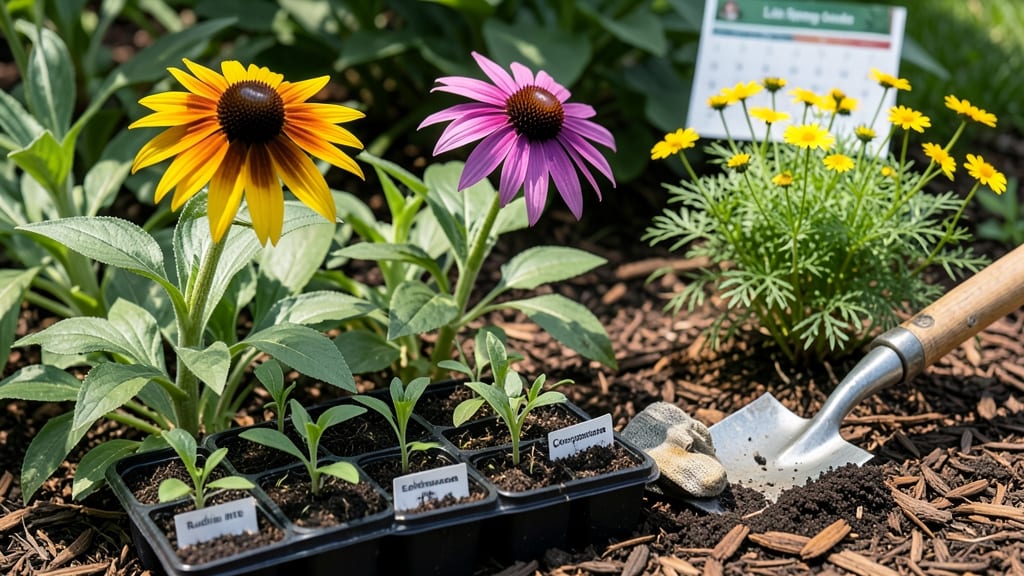
To plant flowers in New Jersey means timing your blooms around USDA Zones 6b-7b’s last frost dates, which can shift from mid-April to early May depending on your county.
Timing is everything in gardening—especially in New Jersey’s unpredictable climate where late frosts can wipe out tender blooms in a single night. Plant too early, and your flowers may freeze; too late, and you’ll miss peak blooms.
You don’t need a degree in meteorology to get this right. With the right planting windows—spring after the last frost or fall before the first chill—you can enjoy vibrant blooms from April through October without the guesswork.
Here’s your step-by-step guide to planting flowers in New Jersey, including the best varieties for your zone, soil prep tips, and how to stretch your season for longer-lasting color.
New Jersey flower planting calendar by USDA zone 6b-7b (with frost-date safeguards)
New Jersey’s USDA Zones 6b-7b bring unpredictable frost dates—typically between April 15 and May 15 for the last frost, but late freezes can linger into early June.
To avoid losing tender blooms, I’ve mapped out a month-by-month planting schedule that accounts for microclimates, hardy vs. tender plants, and frost-risk indicators. Whether you’re planting annuals for summer color or perennials for long-term beauty, this guide keeps your garden thriving.
First, know your frost-free window: New Jersey’s growing season spans roughly 180–210 frost-free days. Use this timeline to plant cool-season flowers early and heat-loving varieties after Memorial Day.
For extra protection, I’ll flag high-risk frost periods so you can adjust with row covers or cold frames. Let’s dive into the calendar—where every week counts!
In February, focus on spring-blooming bulbs like tulips and daffodils—they’ll naturalize and return year after year. These hardy plants tolerate cold soil and even light frosts, making them ideal for early planting. Mulch with 2–3 inches of straw to insulate bulbs from temperature swings.
For container gardening, choose compact varieties like miniature daffodils or paperwhite narcissus, which thrive in pots and brighten patios early.
By March, shift to hardy annuals and perennials that handle cooler temps, such as pansies and snapdragons. These frost-tolerant
How to extend your New Jersey flower season without risking frost damage
New Jersey’s USDA Zones 6b-7b offer a short but vibrant growing season—if you know how to work with it. The average last frost date hovers around April 15, while the first frost often arrives by mid-October.
That leaves roughly 180-210 frost-free days, which can feel tight when you’re eager to enjoy continuous blooms. The key? Extending your season strategically without risking frost damage. Here’s how I do it in my garden.
One of my favorite tricks is using cold frames or row covers to create microclimates that protect tender plants. These tools can push your planting window 2-4 weeks earlier in spring and 3-6 weeks later in fall.
For example, I plant pansies under row covers in early March, and they thrive until a hard frost hits in November. The trade-off? You’ll need to monitor soil temperatures and remove covers during hot days to avoid overheating.
Another game-changer is succession planting, where you stagger plantings every 2-3 weeks to ensure a steady supply of blooms. In my garden, I start with cosmos in late May, followed by zinnias in June, and then marigolds in July.
This way, I avoid the "all-at-once" bloom crash and enjoy flowers from June through October. The secret is choosing varieties with different maturity rates—like cosmos (60 days) vs. petunias (90 days).
🌱
Early vs. Late Planting: Trade-offs for New Jersey Gardeners
- Pros: Longer bloom time
- Pros: Fewer pests early
- Pros: Establishes roots before heat
- Cons: Risk of frost damage
- Cons: Requires cold protection
- Cons: Slower initial growth
- Pros: No frost risk
- Pros: Faster growth in warm soil
- Pros: Less watering needed
- Cons: Shorter bloom season
- Cons: More pests later
- Cons: Less time to establish
🌿 Tip: For Zone 6b-7b, aim to plant hardy annuals like cosmos by May 1 and tender varieties like petunias by June 15.
Choosing heat-tolerant varieties is another smart move. In my garden, I prioritize flowers like black-eyed Susans and lantana, which thrive in full sun and high temperatures. These plants not only survive New Jersey’s summer heat but also attract pollinators like bees and butterflies.
Pair them with drought-resistant perennials like coneflowers to reduce watering needs during dry spells.
Don’t overlook fall planting—it’s a hidden gem for extending your season. I plant pansies and snapdragons in early September, giving them time to root before winter. These cool-season bloomers often outperform spring plantings because they bloom earlier in spring and handle light frosts better.
Just be sure to mulch heavily to protect roots from temperature swings.
Finally, keep an eye on your local frost dates and adjust accordingly. While the average last frost is April 15, microclimates (like urban heat islands or south-facing slopes) can vary by 1-2 weeks.
I always check the National Weather Service and use frost cloth as a backup. With these strategies, I’ve stretched my flower season from June to October—and you can too!
☀️