
Flowers
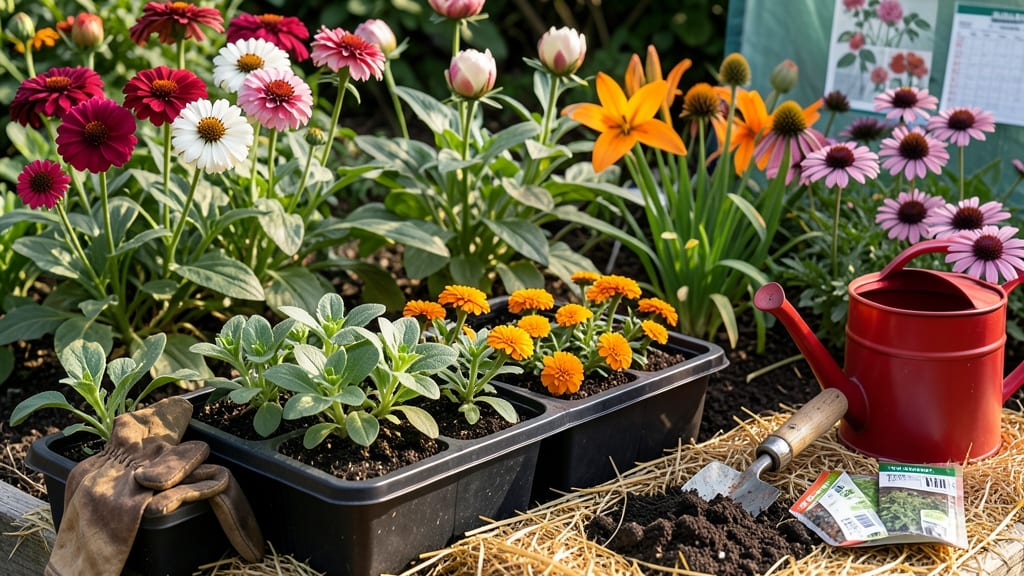
Planting flowers in New York at the right time means the difference between a garden bursting with color and one that wilts before it even starts.
Timing your flower planting in New York’s unpredictable climate can mean the difference between a vibrant garden and a frost-killed disappointment—here’s your zero-frost planting schedule for USDA Zones 6-7.
Whether you’re dreaming of bright marigolds or delicate daylilies 🌸, knowing when to plant is everything. Skip the guesswork with a month-by-month guide tailored to New York’s frost dates, soil conditions, and regional quirks.
From spring bulbs to fall perennials, I’ll walk you through the best windows, hardy varieties, and pro tips to keep your garden thriving—no matter where you are in the state.
New York flower planting calendar by month: frost dates and best times
New York’s USDA Zones 6-7 offer a 165-day frost-free growing season, but timing is everything. The last spring frost typically arrives between April 15 (Upstate) and May 1 (NYC), while the first fall frost hits October 15-30.
These dates shift yearly—always check Cornell Cooperative Extension for updates. Annuals like marigolds and petunias thrive when planted after the last frost, while perennials and bulbs have unique windows to maximize blooms.
Upstate NY’s cooler microclimates (e.g., Albany, Buffalo) often see frost 1-2 weeks earlier than NYC or Long Island. For example, tulip bulbs should go in the ground by October 15 Upstate but can wait until November 1 in NYC.
Meanwhile, heat-loving annuals like sunflowers need to be in by late May to avoid wilting before summer’s end.
Here’s your month-by-month guide to planting flowers in New York, broken down by plant type and regional adjustments. Use this as your zero-frost planting schedule to avoid common mistakes like over-planting too early or missing fall’s last chance for bulbs.
| Month | Plant Type | NYC Timing | Upstate Timing | Key Notes |
|---|---|---|---|---|
| March | Bulbs (tulips, daffodils) | Start indoors | Plant outdoors (hardy) | Chill bulbs for 6-8 weeks |
| April | Perennials (coneflowers, daylilies) | After April 15 | After April 1 | Use row covers if frost risk |
| May | Annuals (marigolds, zinnias) | After May 1 | After April 30 | Soil temp: 60°F+ |
| June | Vegetable flowers (nasturtiums) | Direct sow | Direct sow | Edible blooms ready in 60 days |
| September | Fall bulbs (crocus, hyacinth) | Plant by Oct 1 | Plant by Sept 15 | 6 weeks before frost |
| October | Pansies, snapdragons | Plant by Oct 15 | Plant by Oct 1 | Cold-hardy annuals |
For Upstate NY, shift all planting dates 1-2 weeks earlier than NYC’s schedule. For example, tulip bulbs should be in the ground by September 15 Upstate but can wait until
How to adjust planting times for New York’s microclimates and frost risks
New York’s diverse microclimates—from NYC’s urban heat islands to the cooler Adirondacks—mean frost dates can vary by weeks. Even within USDA Zones 6-7, your elevation and urban vs. rural location shift planting windows.
For example, Albany may see its last frost in mid-April, while Buffalo could face late May freezes. These variations demand flexibility in your planting strategy.
To thrive, I’ve learned to extend seasons with row covers and cold frames, while also selecting heat-tolerant annuals like zinnia and cosmos for late summer. The key is monitoring local frost warnings—not just relying on averages—and adjusting 2-3 weeks earlier or later based on real-time data.
For instance, pansies can handle light frosts, while geraniums need warmer soil to germinate.
⚠️ callout-warning ⚠️
For fall planting, aim for 6-8 weeks before first frost (typically late August to mid-September in Zone 6). Bulbs like tulips should go in by October 15 to root before winter.
I’ve had success with hardy mums and pansies planted in early September—they bloom until hard frosts in November. Use black plastic mulch to warm soil faster in spring or straw mulch to insulate roots in fall.
If you’re in a warmer microclimate (like Long Island or Western NY), you can push spring planting 2 weeks earlier than Upstate averages. For cooler areas, like the Catskills, wait until after Mother’s Day for heat-loving flowers.
I test soil temperature with a thermometer—60°F+ is ideal for most seeds. For slow starters like lobelia, I start them indoors 4-6 weeks early and harden them off.
Track local frost dates using Almanac.com or your smartphone weather app. Set reminders for April 15 (last frost watch) and October 15 (first frost prep). In my Zone 6 garden, I’ve saved tomato plants with frost cloth until June 1, extending the season by 3 weeks.
For flowers, row covers let me plant marigolds in late April and still get blooms by June.
Pro tip: Group plants by frost tolerance. Place hardy perennials (like coneflowers) near tender annuals (like geraniums) so the perennials act as windbreaks and microclimate buffers. I also interplant fast growers (like radishes) with slow flowers (like hollyhocks) to maximize space.
With these adjustments, you’ll beat frost risks and enjoy longer bloom seasons—even in NY’s unpredictable climate. 🌱