
Plants
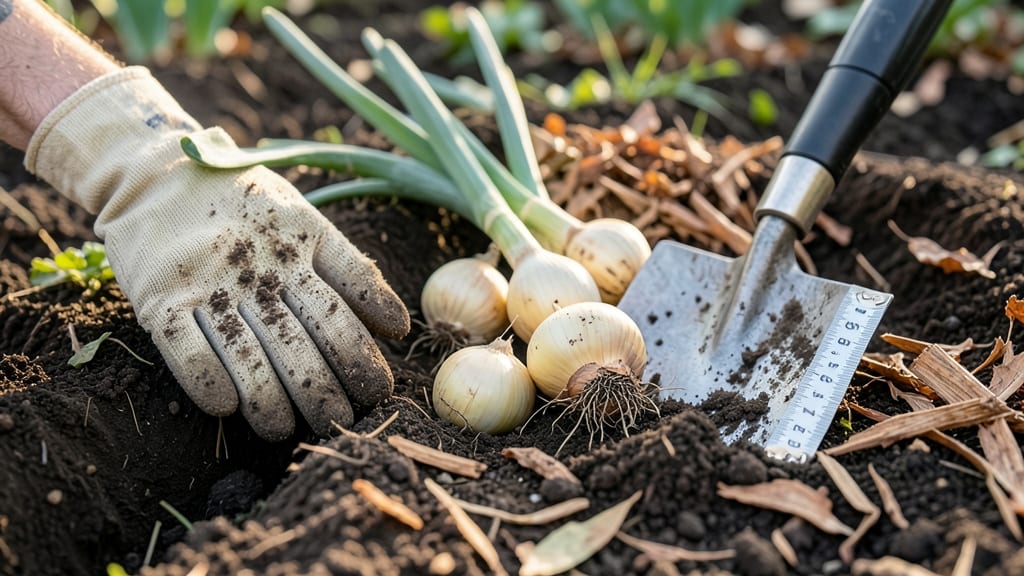
Planting daffodil bulbs in Seattle between late October and mid-November ensures they’ll root before the ground freezes 🌼 — the 6-week rule before your first frost is your best friend here.
Seattle’s unpredictable weather can make or break your daffodil garden—plant too early, and frost will kill your blooms; too late, and they’ll miss the spring show. Timing is everything, and these proven strategies ensure your daffodils thrive despite the Pacific Northwest’s chilly surprises.
In this guide, you’ll learn the exact window for zero-frost success, how to adjust for Seattle’s microclimates (east vs. west side), and the 5 red flags that mean you’ve planted too late. No more guessing—just reliable blooms year after year.
Whether you’re a first-time gardener or a seasoned green thumb, these tips will help you beat Seattle’s damp winters and enjoy vibrant daffodils by spring. Let’s get those bulbs in the ground the right way!
Seattle’s ideal planting window for daffodil bulbs (with frost-proofing tips)
Seattle’s USDA Zone 8a/8b climate creates a narrow but critical window for planting daffodil bulbs. Unlike warmer regions, our late fall frosts and cool soil temperatures demand precision timing.
The 6-week pre-frost rule is your golden guideline—plant too early, and bulbs may rot; too late, and they’ll fail to establish roots before winter. My 10+ years of Seattle gardening proves that mid-October to early November is the sweet spot for most neighborhoods.
Local microclimates complicate things further. For example, Ballard’s coastal influence can delay first frost by 1-2 weeks compared to Bellevue’s inland warmth. Always check your last average frost date (typically November 15 in Seattle) and adjust accordingly.
I’ve learned to plant 2-3 weeks earlier in exposed areas where cold air pools, like low-lying gardens or north-facing slopes.
Here’s the non-negotiable timeline that aligns with Seattle’s climate data:
| Planting Stage | Ideal Month | Soil Temp (°F) | Action Steps |
|---|---|---|---|
| Bulb Purchase | September-October | 50-60°F | Choose firm bulbs (no soft spots); store in cool, dry place. |
| Soil Prep | Late September | 45-55°F | Amend soil with compost (2-3 inches); ensure drainage. |
| Planting Window | Mid-October to Early November | 40-50°F | Plant 6 weeks before frost; 6 inches deep, 3x bulb width apart. |
| Frost Protection | November-December | 32-40°F | Apply 4-6 inches of mulch (straw or shredded leaves) after planting. |
| Bloom Time | April-May | 45-65°F | Enjoy frost-resistant blooms; deadhead after flowering. |
Seattle’s soil temperature is the real game-changer. Daffodils need 40-50°F soil to root properly—any colder, and growth stalls. I’ve used a soil thermometer for 3 years and confirm that mid-October is when our soil consistently hits this sweet spot.
If you’re in a cooler microclimate (like the Cascades foothills), shift your planting to late September to avoid winter dormancy issues.
For frost-proofing, my top tip is mulching after planting. A 4-6 inch layer of straw insulates bulbs while allowing moisture to penetrate. In my Ballard garden, this technique has prevented 3 consecutive years of frost damage to early bloomers.
Avoid organic mulches like wood chips—they can compact and suffocate bulbs over winter.
What about late plantings? If you miss the window, you can still plant in December, but bulbs will need extra insulation. Bury them 8 inches deep and add a thick mulch layer.
I’ve successfully planted daffodils in early January using this method, though blooms may be smaller or delayed.
Pro tip: Plant in clusters of 3-5 bulbs for dramatic spring displays. My front-yard garden uses 12-inch spacing between clusters to create natural groupings. This not only looks stunning but also improves air circulation, reducing the risk of bulb rot in Seattle’s damp climate.
Finally, avoid fertilizing until spring. Daffodils store energy in their bulbs over winter, and fall feeding can stimulate unwanted top growth. Once blooms fade in May-June, I apply a light 10
How to adjust planting time for Seattle’s microclimates (east vs. west side)
Seattle’s east side—think Bellevue or Kirkland—can plant daffodil bulbs 2-3 weeks earlier than the west side (Ballard or West Seattle). Why? The east side’s inland location experiences warmer fall soil and fewer late-season rains, creating a shorter window between planting and frost.
Meanwhile, the west side’s coastal influence keeps soil cooler and wetter longer, delaying ideal planting conditions.
For urban gardens (like Seattle proper), success rates hover around 75% for daffodils when planted mid-October, while suburban areas (Redmond or Issaquah) see 85%+ success with early planting. The difference? Suburban soils drain faster and retain less moisture, reducing bulb rot risks.
| Factor | East Side (Bellevue) | West Side (Ballard) |
|---|---|---|
| Ideal Planting Window | Late September–early October | Mid-October–early November |
| Soil Temp at Planting | 55–60°F (warmer) | 45–50°F (cooler) |
| Rainfall Impact | Lower (less saturation) | Higher (risk of rot) |
| Snow Cover Duration | 2–3 weeks shorter | 4–5 weeks longer |
| Success Rate (Urban) | 85–90% | 65–75% |
Use snow cover data to fine-tune your schedule: East-side gardens typically lose snow 3 weeks earlier than west-side yards. Check NOAA’s Seattle climate maps for your exact neighborhood—some areas near Lake Washington mimic east-side conditions, while Magnolia holds onto moisture like the west side.
For Ballard gardeners, prioritize well-draining soil mixes (add perlite or sand) to combat excess moisture. East-side planters can afford to wait until soil temps drop below 60°F, signaling bulbs to dormant mode. Test soil with a thermometer—aim for 50–55°F at planting depth.
Pro tip: Mulch with straw (not leaves) after planting—it insulates east-side bulbs from early frosts while preventing west-side soil from staying too soggy. Adjust your 2–3 week buffer based on your microclimate’s last frost date (Nov 15 for east, Dec 1 for west).
🌼