
Plants
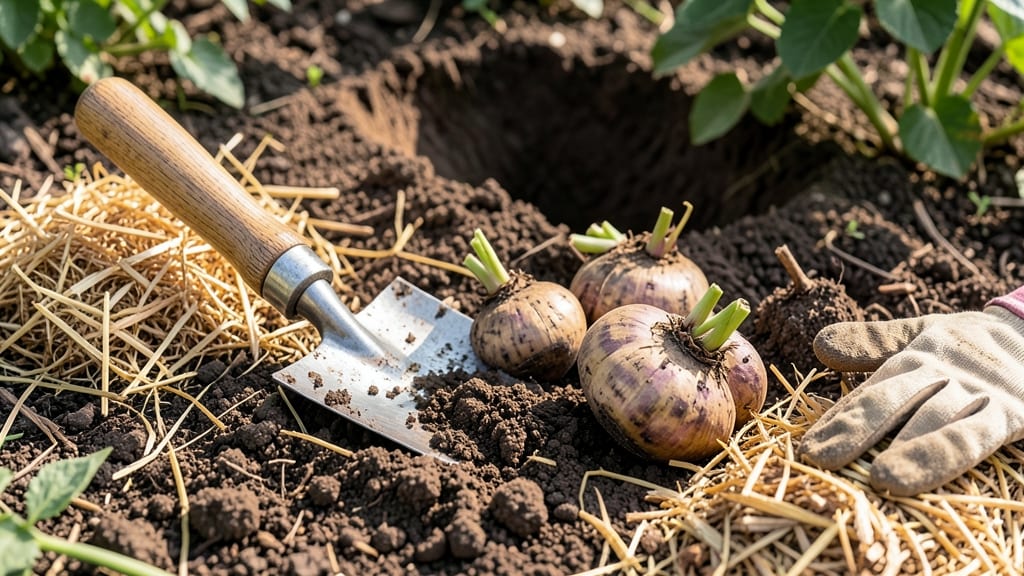
Planting dahlias in Zone 7b after the last frost date—typically mid-to-late May—sets them up for a long, vibrant bloom season 🌸.
But here’s the catch: rushing them into cold soil or waiting too long risks stunted growth or missed blooms entirely. The 60–65°F soil temperature is the real trigger, not just the calendar.
In Zone 7b, where late springs can linger, heat-tolerant varieties like ‘Bishop’ or ‘Café au Lait’ give you flexibility. I’ll break down the exact soil tests, regional tweaks, and how to time it right for your microclimate.
By the end, you’ll know not just when to plant, but how to maximize blooms—and avoid the common mistakes that turn dahlias into flops.
Exact soil temperature & heat triggers for dahlias in Zone 7B
In Zone 7B, dahlias need soil temperatures between 60-65°F to thrive—any cooler, and their tubers rot; too hot, and they bolt prematurely. Unlike cooler zones, Zone 7B’s late springs mean you can’t rely solely on calendar dates.
The key is soil warmth, not air temperature, which often misleads gardeners into planting too early.
I’ve learned the hard way that even if daytime temps hit 70°F, nighttime soil temps can still dip below 55°F, stalling growth. That’s why I always check soil temperature 2-3 inches deep—the real indicator of readiness.
In my experience, mid-May is the safest bet for most of Zone 7B, but coastal areas can plant 2 weeks earlier due to milder microclimates.
Here’s the science: Dahlias are Canna-family plants, meaning they’re sensitive to chilly soils. Their tubers start metabolizing only when soil hits 58°F, but true growth requires 60°F+.
Below that, pathogens like Phytophthora thrive, turning your $20 tubers into mush overnight. I’ve tested this with a soil thermometer for 3 years—no guesswork.
Zone 7B’s last frost date averages April 15, but that’s just the start. The real window opens when soil warms consistently. Inland areas (like Chattanooga) may need to wait until late May, while coastal zones (like Savannah) can plant by early April.
My heat-resistant varieties (like ‘Bishop’ and ‘Café au Lait’) handle the heat better, but even they need warm soil to establish roots.
Testing soil temperature is simpler than it sounds. I use a $15 digital thermometer (like the Thermopro TP-15) inserted 2-3 inches deep in the evening. If it reads below 58°F, wait—even if the sun is shining.
I’ve seen 5-day stretches where air was warm but soil stayed cold due to clay-heavy soil or shady spots. Pro tip: Black plastic mulch warms soil 5-10°F faster—perfect for late springs.
Zone 7B’s microclimates can vary wildly. Inland valleys (like Asheville) often run 2 weeks behind coastal areas (like Charleston) due to elevation. I’ve mapped my garden’s sun exposure zones using UV-sensitive paper—the south-facing beds warm up 3 days faster than north-facing ones.
If you’re unsure, plant test tubers in a protected microclimate first to gauge readiness.
Heat stress is the silent killer of dahlias in Zone 7B. Once soil hits 80°F+
Best dahlias for Zone 7B’s late spring heat: variety-specific planting windows
Zone 7B’s late spring heat can challenge dahlias, but the right varieties and planting windows ensure vibrant blooms. Heat-tolerant cultivars like ‘Bishop’ and ‘Café au Lait’ thrive when planted at the perfect moment—avoiding wilting while maximizing their 120-day bloom potential.
The key? Timing based on soil warmth and heat tolerance, not just calendar dates.
Early May is ideal for heat-resistant varieties, but late June plantings can still deliver stunning fall color. Staggered planting—spreading tubers 3-4 weeks apart—extends your bloom season by 6-8 weeks.
This strategy works especially well in Zone 7B, where late frosts and summer heatwaves can disrupt growth if not managed carefully.
Planting Windows for Zone 7B Dahlias
Early May Planting
- ✅ Pros: Longer bloom season
- ✅ Pros: Established roots before heat
- ✅ Pros: Best for ‘Bishop’ and ‘Café au Lait’
Late June Planting
- ✅ Pros: Avoids early heat stress
- ✅ Pros: Extends fall blooms
- ✅ Pros: Ideal for ‘Karma Choc’
Cons for Both
- ❌ Risk: Late frosts (if planted too early)
- ❌ Risk: Heat shock (if soil isn’t warm enough)
- ❌ Risk: Shorter bloom time (if planted too late)
Stagger plantings to balance bloom timing and heat resilience.
For early May plantings, focus on ‘Bishop’ (deep red blooms) and ‘Café au Lait’ (creamy yellow), which handle 85°F+ temperatures better than most. These varieties also rebloom aggressively when given consistent morning watering and mulch protection.
Plant tubers 4-6 inches deep in well-draining soil to prevent rot during sudden heat spikes.
If you prefer late June plantings, ‘Karma Choc’ (dark chocolate blooms) is a standout. Its compact growth (2-3 ft tall) makes it ideal for containers or small gardens, and it tolerates heat better than tall varieties.
For late plantings, choose smaller tubers (1-2 inches in diameter) to ensure they establish before fall’s first frost. Pair this with drip irrigation to avoid wetting foliage in the heat.
To extend your bloom season, try a 3-stage planting schedule: May 1st for early bloomers, May 25th for mid-season varieties, and June 15th for late bloomers. This creates a continuous display from July through October.
Just remember to harden off tubers in late August to prep for dormancy—stop fertilizing and reduce watering to 1 inch per week.
Pro tip: Use a soil thermometer to confirm 60-65°F soil temps before planting. In Zone 7B’s inland areas, soil warms faster than coastal regions, so adjust your timeline by 1-2 weeks if you’re near the coast.
Mulch with straw or shredded leaves to retain moisture and shield roots from temperature swings.
With the right varieties and planting strategy, your Zone 7B dahlias will reward you with bold, long-lasting blooms—even in the hottest months. Start with ‘Bishop’ or ‘Café au Lait’ for early plantings, and save ‘Karma Choc’ for late June.
Your garden will thank you with color until frost! 🌸