
Companion Plants
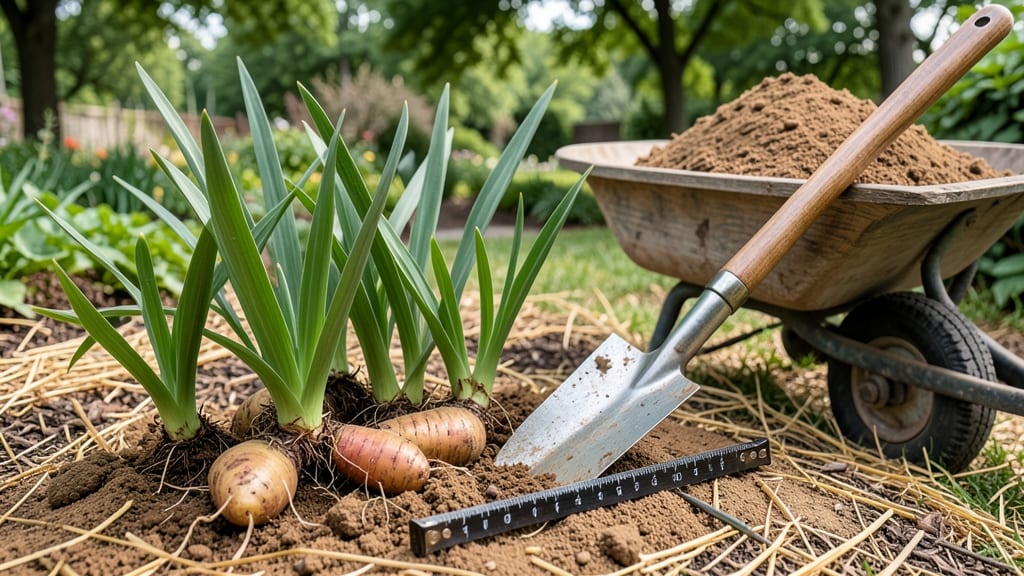
Planting when to plant daylily bulbs in Zone 9 depends on soil warmth, not just calendar dates—aim for fall (October–November) or early spring (February–March) when temperatures dip below 90°F.
Struggling to time your daylily planting in Zone 9’s warm climate? Planting too early or late can mean the difference between vibrant blooms and struggling roots—here’s the science-backed window for success.
Daylilies thrive in Zone 9’s 300+ frost-free days, but heat stress is the real enemy. The key is planting when soil cools to 60–70°F, letting roots establish before summer’s peak.
Below, I’ll walk you through the exact months, soil prep tricks, and how to adjust for coastal vs. inland microclimates—so your 🌸 blooms arrive reliably year after year.
Zone 9 daylily planting timeline: soil temperature rules over calendar dates
First, let’s clear up a common misconception: daylilies grow from rhizomes, not true bulbs. This distinction matters because rhizomes thrive in warmer soil and need consistent moisture to establish roots.
In Zone 9, where winters are mild and summers scorching, timing your planting based on soil temperature—not just the calendar—is critical for success.
Unlike cooler climates where frost dictates planting windows, Zone 9’s frost-free growing season means you can plant almost year-round. However, soil temperature between 60-70°F is the real trigger for root growth. Planting when soil is too cold (<55°F) delays establishment, while waiting too long risks heat stress during summer’s peak.
Here’s the key: Coastal areas (like San Diego) stay cooler longer due to ocean breezes, while inland zones (like Phoenix) heat up faster. A soil thermometer ($10 at garden centers) becomes your best tool—ignore the calendar and plant when your soil hits that sweet spot.
⚠️ Common Mistake: Many Zone 9 gardeners plant in late summer (August-September) when soil is still hot, causing rhizomes to dry out. Others wait until deep winter (January-February), missing the ideal window when soil cools slightly but remains workable.
For coastal Zone 9 (e.g., Los Angeles, San Diego), aim for October-November planting. Ocean breezes keep soil temperatures ideal longer, but check your microclimate—shady spots may stay cooler. In inland desert areas (e.g., Phoenix, Las Vegas), soil warms faster, so plant in late February-March to avoid summer’s extreme heat.
Pro tip: Test your soil at different depths (2-3 inches down) for accuracy. Surface temps can be misleading—always check where rhizomes will sit. If your soil is dry and crumbly, water deeply 24 hours before planting to prevent transplant shock.
Once planted, mulch with 2-3 inches of organic material (straw or shredded bark) to retain moisture and regulate soil temps. In sandy soils, mulch helps prevent rapid drying, while clay soils benefit from the insulation during heatwaves.
Watch for yellowing leaves after planting—a sign of overwatering or poor drainage. Daylilies in Zone 9 are drought-tolerant once established, but young rhizomes need consistent moisture. Reduce watering once new growth appears (usually 3-4 weeks post-planting).
Remember: Daylilies bloom on new growth, so timing your planting for optimal root establishment before summer’s heat ensures vibrant flowers. With the right soil temps and microclimate adjustments, you’ll have zero-frost blooms from spring to fall.
🌱
Best months to plant daylily bulbs in Zone 9: a month-by-month breakdown
First, let me clarify: daylilies grow from rhizomes, not true bulbs. But if you’re working with pre-packaged "daylily bulbs" (likely rhizomes), timing matters more in Zone 9’s unpredictable climate. The key is leveraging soil moisture from late-winter rains and avoiding summer’s heatwaves.
Zone 9’s monsoon patterns and coastal vs. inland microclimates create unique windows. Inland areas like Phoenix get 100°F+ summers, while coastal LA stays milder. Here’s how to align planting with nature’s cues:
For inland Zone 9 (e.g., Phoenix), prioritize October planting to beat summer’s 110°F+ soil. Coastal gardeners (e.g., San Diego) can stretch to November thanks to milder winters. Always test soil moisture—if it’s dry below 4 inches, delay planting.
Pro tip: Use a soil thermometer to confirm temps between 60-70°F before planting. In Desert Zone 9, this often means waiting until late October when nights cool to 55°F. Mulch with 3 inches of straw to lock in moisture during monsoon transitions.
Remember, daylilies are drought-tolerant once established, but young rhizomes need consistent moisture for the first 60 days. Time your planting to align with natural rainfall patterns—your local weather station is your best friend here.