
Planting
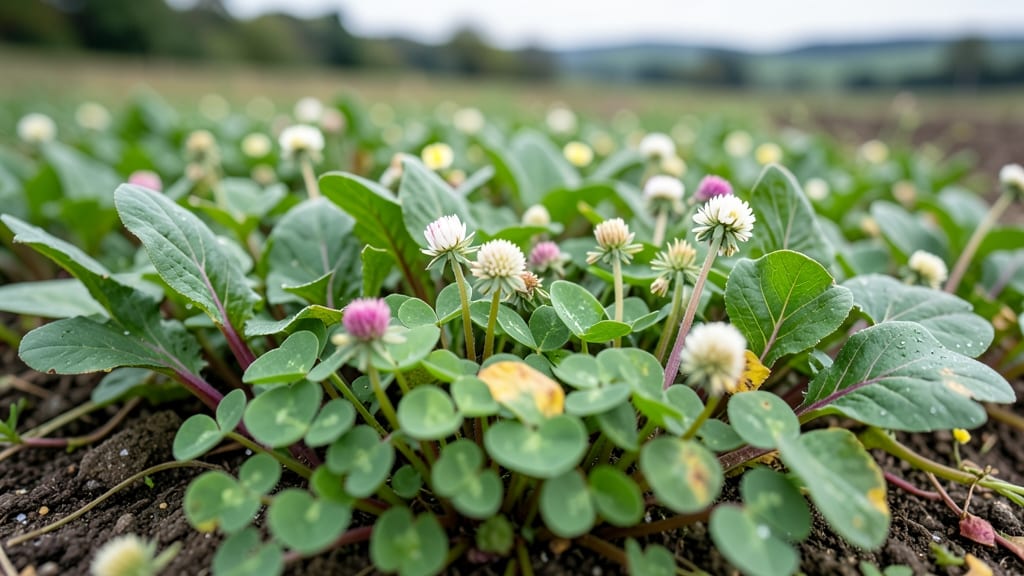
Planting deer food plots in Kentucky at the right time means the difference between a thriving whitetail hotspot and wasted effort 🌾. The best window for planting—whether you’re seeding clover, chicory, or brassicas—is late winter to early spring or early fall, aligning with Kentucky’s USDA Zones 6b-7a frost dates.
Miss that window, and you risk frost damage or summer drought stress. But nail it, and your plot becomes a year-round deer magnet, especially when timed to match their feeding peaks in spring and fall.
Below, I break down the exact planting schedule for Kentucky’s top crops, how to adjust for northern vs. southern regions, and three proven strategies to extend your plot’s appeal—so your bucks keep coming back.
Ready to turn your property into a hunting hotspot? Let’s get started with the timing secrets that make all the difference.
Optimal planting windows for Kentucky’s top 5 deer food plot crops
Kentucky’s USDA Zones 6b-7a offer ideal conditions for deer food plots, but precise timing ensures your plots thrive when whitetails are most active. The top 5 crops—clover, chicory, brassicas, winter wheat, and soybeans—each have unique windows that align with soil temperatures and deer feeding patterns.
Planting too early risks frost damage, while late planting may miss peak browse.
For spring planting, focus on March 15–April 15 when soil temps reach 50°F+. Fall planting should begin September 1–October 15 to establish roots before winter. Northern Kentucky’s Zone 6b may need adjustments—push planting dates 1–2 weeks later than southern Zone 7a areas to avoid early frosts.
| Crop | Zone 6b Planting Window | Zone 7a Planting Window | Peak Deer Use | Soil Temp Requirement |
|---|---|---|---|---|
| Clover (Alfalfa/Crimson) | March 20–April 10 | March 10–April 5 | May–July, Sept–Oct | 50°F+ |
| Chicory | April 1–May 15 | March 20–April 30 | June–August, Sept–Nov | 55°F+ |
| Brassicas (Turnips/Rapeseed) | August 15–September 15 | August 1–September 10 | Oct–Dec | 45°F+ |
| Winter Wheat | October 1–November 15 | September 15–October 30 | March–May | 40°F+ |
| Soybeans | April 20–May 10 | April 10–May 5 | July–Sept | 60°F+ |
Clover is a spring favorite for whitetails, so planting in late March–early April ensures lush growth by May. In Zone 6b, wait until after April 1 to avoid frost—young clover is highly frost-sensitive. For fall appeal, consider a second planting in late August for a late-season browse.
Chicory thrives in Kentucky’s heat but needs warmer soil temps (55°F+). Plant Zone 7a varieties as early as March 20, while Zone 6b gardeners should wait until April 15. Chicory’s deep taproot makes it drought-tolerant, but deer prefer it most when 6–12 inches tall—aim for June planting for peak fall activity.
Brassicas like turnips and rapeseed are fall workhorses, drawing bucks when natural foods dwindle. Plant August 15–September 15 for October–December forage. In Zone 6b, push to late August to avoid early frosts that can blacken leaves. These crops grow rapidly, so monitor for over-maturity—deer prefer leafy, not woody stems.
Winter wheat is a late-season staple that greens up in March–April, just as bucks shed antlers. Plant October 1–November
How Kentucky’s weather patterns affect food plot success (and when to adjust)
Kentucky’s diverse microclimates create unique challenges for deer food plots. In Zone 6b (northern Kentucky), late spring frosts can linger until mid-April, while Zone 7a (southern Kentucky) often sees frost-free conditions by early March.
These differences mean your planting timeline must shift based on location to avoid frost damage or missed growth windows.
Summer droughts are another critical factor. Southern Kentucky experiences hotter, drier conditions earlier in the season, while northern areas may see prolonged dry spells in late summer. Without proper irrigation planning, your food plot could struggle to establish or even fail entirely during peak whitetail feeding seasons.
Fall freezes also vary dramatically—northern Kentucky can see frost as early as October 15, while southern regions often hold off until November 1. This timing affects when to plant cool-season crops like winter wheat or clover to ensure they mature before the first hard freeze.
⚠️
Planting too late in Zone 6b risks frost damage to tender crops. In Zone 7a, late planting may result in immature growth before winter. Use this 30-day buffer rule: Plant no later than 60 days before first frost in your area.
Northern KY (Zone 6b): Aim for September 1-15 for fall planting. Southern KY (Zone 7a): Extend to September 15-October 1 for safer establishment.
Pro Tip: Monitor soil temperatures—ideal planting occurs when soil reaches 60-65°F for most forage crops.
To adapt your planting schedule, start by checking your local frost dates—the Kentucky Climate Center provides free historical frost records by county. For example, Lexington (Zone 7a) averages 30 more frost-free days than Paducah (Zone 6b), giving southern plots an extended growing season.
For summer drought resilience, choose deep-rooted crops like chicory or brassicas, which tolerate dry conditions better than shallow-rooted clovers. In drought-prone areas, consider mulching with straw to retain moisture and reduce irrigation needs by up to 30%.
Adjust your fall planting timeline based on crop maturity. Fast-growing radishes or turnips can be planted as late as October 15 in Zone 7a, while winter wheat needs 90 days to establish and should be planted by September 30 in both zones.
Finally, use a risk-assessment checklist before planting: Verify soil pH (6.0-6.5), test moisture levels, and confirm your last frost date. With these adjustments, you’ll turn Kentucky’s weather patterns into an advantage, creating a reliable food source that keeps deer visiting year-round. 🌾