
Flowers
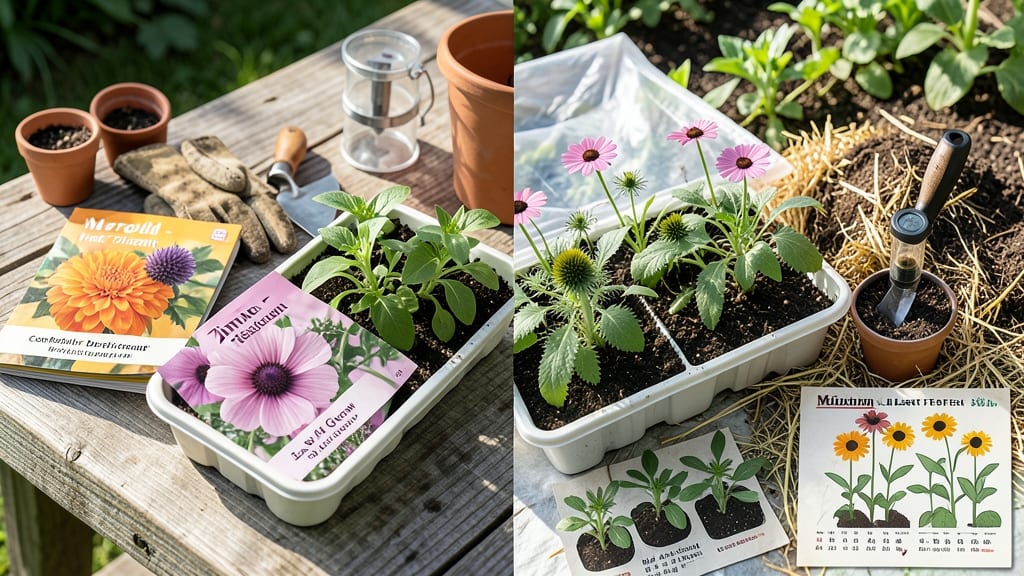
Planting flower seeds in Missouri at the right time means the difference between a garden bursting with 🌸 blooms and one that fizzles before summer.
Missouri’s unpredictable frost dates can turn your dream flower garden into a risky gamble—unless you plant at the perfect time. Get the science-backed timing for annuals, perennials, and cold-hardy blooms to ensure vibrant flowers all season long.
Most Missouri gardeners know spring is the prime window, but the exact dates vary by flower type and your USDA zone (5b-6a). Cool-season flowers like pansies thrive when planted as early as March, while heat-lovers like marigolds wait until after the last frost—typically mid-April.
Below, I’ll break down the best months by flower type, how to adjust for St. Louis vs. Kansas City frost patterns, and pro tips to extend your blooming season—so you’re not left with bare soil when the heat arrives.
Missouri’s frost dates & ideal planting windows by flower type
Missouri’s USDA zones 5b-6a create a unique gardening puzzle—where cool-season blooms like pansies thrive in spring, but warm-season favorites like zinnias need to wait for summer heat. The key?
Timing your plantings around average frost dates (April 15 for last frost, October 15 for first) while adjusting for your specific region—whether you're in St. Louis's Zone 6a, Kansas City's 5b-6a, or Springfield's 6a. Get this wrong, and your seedlings could become frost snacks.
I’ve broken down the optimal planting windows for Missouri’s most popular flowers, including cool-season hardy annuals that tolerate light frosts and heat-loving perennials that need warm soil. Pro tip: Soil temperature matters more than air temperature—wait until it hits 50°F (10°C) for warm-season seeds to sprout reliably.
Here’s the region-specific frost timeline you need to know before grabbing your seed packets:
| Region | Last Frost Date | First Frost Date | Cool-Season Planting Window | Warm-Season Planting Window |
|---|---|---|---|---|
| St. Louis (Zone 6a) | April 10-15 | October 10-15 | March 15 - April 30 | May 1 - June 15 |
| Kansas City (Zone 5b-6a) | April 5-10 | October 5-10 | March 1 - April 20 | May 10 - June 10 |
| Springfield (Zone 6a) | April 12-17 | October 12-17 | March 20 - May 1 | May 5 - June 20 |
For cool-season flowers like pansies, snapdragons, and sweet alyssum, I recommend starting seeds indoors 6-8 weeks before your last frost date—or sow directly in garden beds as soon as soil is workable (40°F/4°C).
These tough blooms handle light frosts down to 25°F (-4°C), making them perfect for early spring color or fall planting (August-September) for winter interest.
Warm-season powerhouses like marigolds, zinnias, and cosmos demand patience—wait until two weeks after your last frost date to direct-sow seeds. Soil temperature is critical here: Use a soil thermometer to confirm it’s at least 60°F (15°C) before planting.
Pro move: Cover seeds with black plastic mulch to warm the soil faster in cooler zones like Kansas City.
Missouri’s USDA Zone 5b areas (like northern KC) face earlier frosts—so adjust your timeline by 1-2 weeks earlier than Zone 6a. For example, in Zone 5b, start warm-season seeds indoors by April 15 and transplant after May 10. Zone 6a gardeners can push warm-season starts to May 1 safely.
Don’t overlook fall planting for cool-season blooms! In St. Louis, sow pansies and calendulas by August 15 for October-November color. These flowers thrive with 50-60 days of cool weather and even brighten up early winter with minimal care.
Just remember: Water consistently in fall to prevent drought stress before frost.
If you’re in a microclimate (like a south-facing slope or urban heat island), you can extend warm-season growing by 2-3 weeks. Test your spot with a frost watch—place a frost-sensitive plant (like basil) in your garden in early May.
If it survives three nights below 32°F (0°C), you’re safe to plant heat-lovers like sunflowers.
For perennials (e.g., coneflowers, black-eyed Susans), divide planting into two phases: Start seeds indoors in March for early blooms, then direct-sow remaining seeds in late May for a second flush of color. This staggered approach ensures continuous blooms from June through October.
Missouri’s unpredictable spring weather can throw off even the best-laid plans. Always have row covers or cloches ready to protect tender seedlings from late frosts (which can hit as late as May
How to extend your flower season: succession planting & frost protection tips
Missouri’s summer heat and unpredictable frost can cut your flower season short—but with the right strategies, you can enjoy blooms from May through October. The key lies in succession planting and smart frost protection to keep your garden vibrant all season long.
Start by staggering plantings every 2-3 weeks. This ensures a continuous display of color, especially for heat-loving annuals like zinnias and marigolds. For example, plant your first batch of cosmos seeds in early May, then follow up with sunflowers in late May and celosia in June.
🌱 5 Pro Tips to Extend Your Flower Season
- 1. Plant heat-tolerant varieties like lantana and portulaca in July for late-season color.
- 2. Use row covers to protect tender seedlings from late spring frosts (average last frost: April 15).
- 3. Try cloches over pansies or snapdragons in fall to extend blooms until first frost (average: October 15).
- 4. Mulch heavily with straw or shredded leaves to insulate roots during temperature swings.
- 5. Deadhead regularly to encourage continuous blooming and prevent seed formation.
For late starts, focus on fast-growing annuals that thrive in Missouri’s hot summers. My top picks for July-August plantings include celosia (45 days to bloom), zinnia (60 days), and portulaca (30 days)—all of which handle 90°F+ temperatures like champions.
When frost threatens, don’t panic! Row covers (like frost blankets) can raise temperatures by 5-8°F, while cloches create microclimates perfect for tender perennials like salvias. For extreme cold snaps, move potted plants to a garage or sheltered porch until danger passes.
Even in USDA Zone 5b-6a, you can push your season further by planting cold-hardy annuals in late summer. Try stock flowers or calendulas in mid-August—they’ll reward you with fall blooms even as temperatures drop.
With these low-tech tricks, your garden will stay in full bloom longer than ever—no matter what Missouri’s weather throws your way. Happy gardening! 🌻