
Flowers
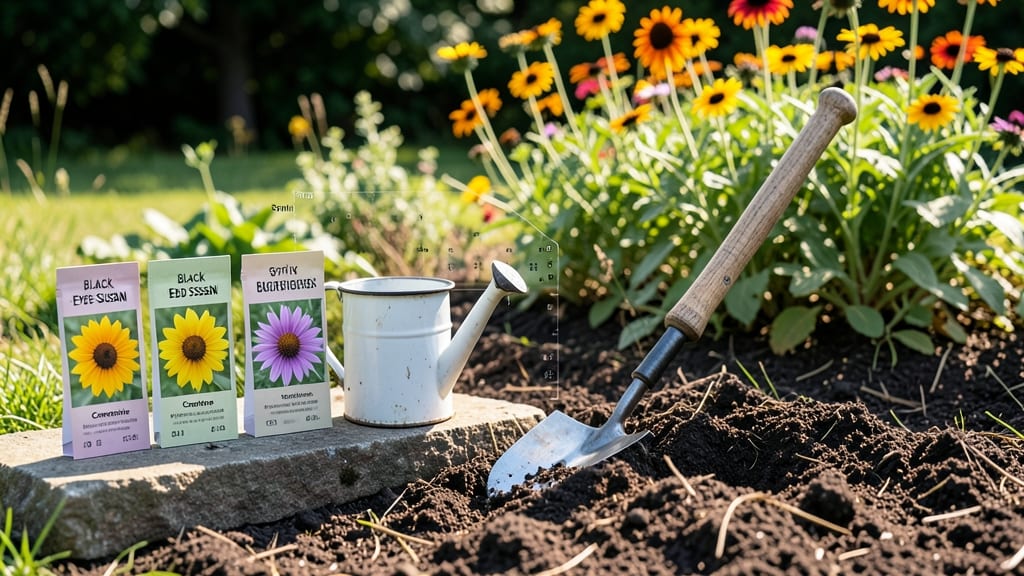
Planting flower seeds in Tennessee at the right time ensures vibrant blooms all season—whether you’re in the cooler Appalachian highlands or the warmer southern plains.
Tennessee’s diverse climate—from humid valleys to hotter plains—means timing your flower seed planting can make or break your garden’s success. Miss the ideal window, and you’ll either face frost damage or wilted blooms before summer’s peak.
For Zone 6a-7b, the sweet spot is late February to early April for spring bloomers and August to September for fall varieties. But don’t just guess—soil temperature and frost dates matter more than you’d think.
Below, I’ll break down the exact planting windows for your region, plus pro tips to extend your blooms from spring pansies to fall mums—no more wasted seeds or missed seasons!
Tennessee’s flower planting zones: when to start seeds indoors vs. direct sowing
Tennessee spans USDA zones 6b through 8a, creating microclimates that demand precise timing for flower seeds. Zone 6b (eastern highlands) has later last frosts, while Zone 8a (western plains) enjoys longer growing seasons.
Understanding these zones helps you avoid frost damage or overly late blooms that fade before summer’s peak.
For cool-season flowers like pansies or snapdragons, start seeds indoors 6-8 weeks before your last frost. In Zone 6b (e.g., Knoxville), that’s mid-January to early February, while Zone 8a (e.g., Memphis) can begin late February to early March.
Warm-season flowers like zinnias or marigolds, however, should wait until after your last frost date for direct sowing.
Here’s your zone-specific planting timeline for Tennessee’s most popular flowers, including indoor starts and direct sowing windows:
For perennials like black-eyed Susans or coneflowers, direct sow seeds in early spring (March–April) or late summer (August–September). These hardy plants tolerate Tennessee’s humidity and heat once established, but cool nights in Zone 6b may require row covers for young seedlings.
If you’re growing heat-loving annuals like zinnias or marigolds, wait until soil temperatures reach 60°F+.
Use a soil thermometer to check—Zone 8a can start as early as mid-February, while Zone 6b may need to wait until mid-April. Direct sowing too early risks damping off or stunted growth.
Pro tip: Use biodegradable seed starter pots for indoor starts to avoid transplant shock. Hardening off seedlings (acclimating them to outdoor conditions) takes 7–10 days before transplanting after your last frost.
For Zone 6b gardeners, this means late April to early May timelines, while Zone 8a can transplant as early as mid-March.
Fall planting is also key for cool-season blooms. Sow pansies or sweet alyssum in August–September for winter color. In Zone 8a, you can even extend the season into October, but Zone 6b should finish by mid-September to avoid early frost damage.
For container gardening, adjust timing by 2–3 weeks earlier—pots warm up faster than soil. Microclimates matter: South-facing beds get warmer sooner, while shaded areas may need row covers to protect tender seedlings. Always check local frost dates from the TN State University Extension for your specific county.
Best flowers to plant by month in Tennessee: a seasonal guide for year-round color
Tennessee’s diverse climate—from Zone 6’s early frosts to Zone 8’s long summers—demands a strategic approach to planting. The key is matching cool-season flowers with early spring and fall, while heat-lovers thrive in summer’s peak.
For example, pansies and snapdragons handle March’s chill, while zinnias and cosmos explode in July’s humidity.
Timing isn’t just about months—it’s about soil temperatures and moon phases. Wait until soil reaches 60°F for warm-season seeds like marigolds, but sow cool-season varieties like calendula as soon as the ground thaws.
In West Tennessee’s Zone 8a, you can push fall planting into October, while East Tennessee’s Zone 6b demands earlier starts.
🌱 Tennessee’s Month-by-Month Flower Planting Guide
- 🌱 March: Pansies (Zone 6-8), Sweet Alyssum, Violas – Direct sow after last frost (avg. March 15). Start petunias indoors for May transplant.
- 🌱 April: Zinnias, Marigolds, Sunflowers – Wait until soil >60°F (usually mid-April). Cosmos self-seed easily—plant thinly.
- 🌱 May: Lantana, Portulaca, Black-Eyed Susans – Heat-tolerant picks for Zone 8. Succession plant every 2 weeks for continuous blooms.
- 🌱 June: Dahlias (tubers), Gladiolus – Wait until June 1 to avoid late frosts in Zone 6. Mulch heavily to retain moisture.
- 🌱 July: Cosmos, Celestial (heat-resistant), Gomphrena – Drought-proof choices for summer’s peak. Deadhead to encourage reblooming.
- 🌱 August: Pansies (fall), Sweet Peas, Calendula – Sow 8-10 weeks before first frost (avg. Nov 15). Use row covers for early starts.
- 🌱 September: Chrysanthemums, Astors, Sweet Alyssum – Zone 6 gardeners can plant hardy perennials like coneflowers for next year.
For Zone 6 gardeners, focus on frost-hardy annuals like snapdragons and stock in spring, while Zone 8 growers can extend seasons with tropicals like hibiscus and canna lilies. My go-to trick? Plant cosmos in July—they’re drought-tolerant and self-seeding, meaning fewer chores for you.
Don’t overlook native Tennessee wildflowers like black-eyed Susans and purple coneflowers. They’re low-maintenance, pollinator magnets, and thrive in poor soil. Start perennial seeds in late summer (August-September) for stronger roots before winter. Pro tip: Mulch with straw to protect tender seedlings.
If you’re new to Tennessee gardening, succession planting is your best friend. For example, sow zinnias every 3 weeks from April to July to avoid a bloom crash. And always label your seeds—trust me, you’ll forget which marigold variety you planted where!
For container gardens, prioritize compact varieties like dwarf zinnias or bush nasturtiums. These thrive in small spaces and balconies, even in urban Nashville. Just ensure pots have drainage holes and use lightweight potting mix to prevent root rot in summer’s heat.