
Flowers
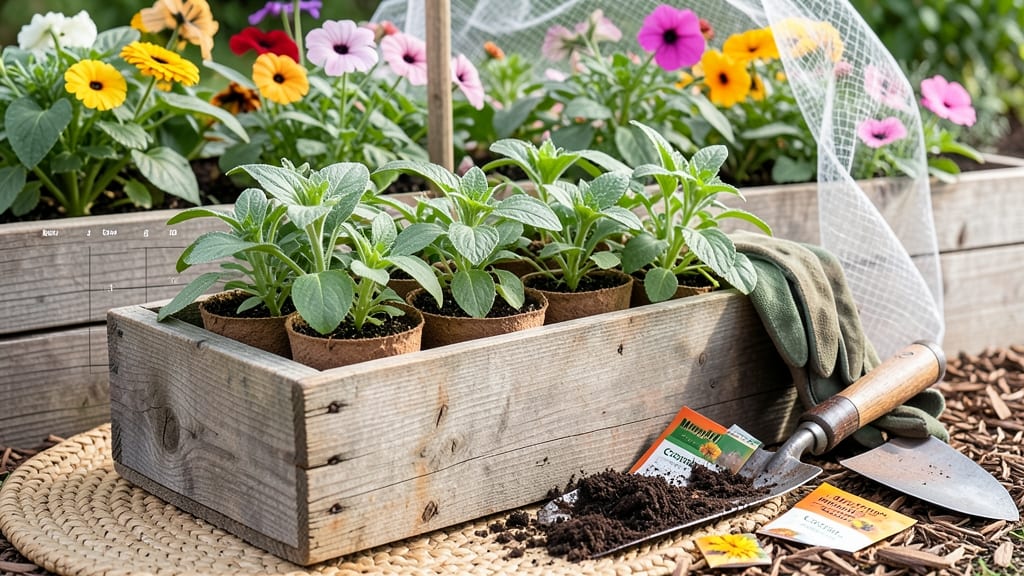
To plant flowers in Pennsylvania, timing is everything — the last frost date in your county determines whether your garden blooms or bolts.
Picture this: you’ve spent weeks planning your garden, but a late frost wipes out your tender seedlings overnight. That’s why knowing when to plant flowers in PA isn’t just helpful—it’s essential.
Whether you’re a beginner or a seasoned gardener, missing the window can mean the difference between a vibrant display of 🌸 and a season of disappointment.
Pennsylvania’s climate varies wildly from the frost-prone valleys of the Poconos to the milder urban heat islands of Philadelphia. That’s why I’ve broken down the critical planting windows by county, including frost dates, soil prep tips, and how to adjust for unpredictable weather.
No more guessing—just a clear, actionable calendar tailored to your corner of the Keystone State.
Inside, you’ll find a month-by-month guide for annuals, perennials, and bulbs, plus pro tips for handling late frosts, heatwaves, and soil variability. Ready to turn your garden into a showstopper? Let’s get started.
Pennsylvania last frost dates by county: critical planting windows
Understanding Pennsylvania’s last average frost dates is essential for timing your flower planting correctly. The Keystone State spans USDA Zones 5b-7a, meaning frost dates vary dramatically from Erie’s cooler climate to Philadelphia’s urban heat islands.
These differences can shift your planting window by 2-3 weeks, so knowing your county’s specifics is a game-changer for your garden’s success.
Southern Pennsylvania—like Chester and Montgomery counties—typically sees its last frost around April 15-20, while northern regions like Erie or Lackawanna may wait until May 5-10. Mountainous areas in Poconos or Allegheny Front can experience even later frosts, sometimes 2 weeks behind their lowland neighbors.
These variations matter when choosing between direct sowing and starting seeds indoors.
Microclimates add another layer of complexity. Urban heat islands in cities like Philadelphia or Pittsburgh can warm up faster, allowing earlier planting of heat-loving annuals like zinnias or marigolds.
Meanwhile, valleys and low-lying areas often hold cold air longer, risking damage to tender seedlings. Always check NOAA frost predictions or local weather stations for real-time adjustments.
Here’s a county-by-county breakdown of Pennsylvania’s last average frost dates, color-coded by planting zone. Use this as your guide for spring flower planting, whether you’re sowing cool-season annuals like pansies or waiting for warm-season favorites like sunflowers.
For a visual reference, check out this interactive PA frost map (link in resources) that overlays county boundaries with color-coded frost zones. Hover over your area to see historical frost trends and exceptions—like how Poconos valleys can frost 10 days later than nearby ridges.
This tool helps you spot localized planting windows that differ from the county average.
Pro tip: If you’re planting tender annuals like impatiens or begonias, wait until <
Best flowers to plant by season in Pennsylvania gardens
Pennsylvania’s diverse climate zones (USDA 5b-7a) offer gardeners multiple planting windows, but timing matters—especially for frost-sensitive annuals and hardy perennials. I’ve planted everything from trilliums in shady woodlands to black-eyed Susans in full sun, and I’ve learned which flowers thrive when planted at the right time.
The key? Matching your local last frost date (typically mid-April in most regions) with each flower’s cold tolerance.
Spring is the busiest season, but fall planting (August-October) gives perennials a head start. Annuals like pansies and snapdragons can handle light frosts, while geraniums and salvias need warmer soil.
Native Pennsylvania favorites like bleeding hearts and columbines also have specific timing needs. Let’s break it down by season so you can plan your garden like a pro.
- February-March: Start indoor seeds (e.g., petunias, geraniums) 6-8 weeks before last frost. Plant hardy bulbs (daffodils, tulips) if soil isn’t frozen.
- April (after last frost): Transplant tender annuals (marigolds, zinnias) and direct-sow cool-season crops (pansies, snapdragons).
- May-June: Plant heat-loving annuals (sunflowers, cosmos) and perennials (coneflowers, bee balm). Mulch to retain moisture.
- July-August: Sow fall-blooming bulbs (crocuses, hyacinths) and cool-season annuals (stock, sweet alyssum) for late-season color.
- September-October: Plant spring-blooming bulbs (tulips, daffodils) and hardy perennials (peony, daylily) before ground freezes.
For spring planting, I always prioritize perennials first—they establish roots before summer heat sets in. Coneflowers and black-eyed Susans are my go-tos because they’re drought-tolerant once established.
If you’re planting annuals, wait until soil temperatures reach 50°F (test with a soil thermometer) to avoid stunted growth. Pansies and violas are exceptions—they bloom even in 32°F temperatures, making them perfect for early spring or fall gardens.
Summer is all about heat-loving annuals like sunflowers and zinnias, but don’t overlook fall-blooming perennials. Asters and goldenrod thrive when planted in early summer, giving you late-season color. I also recommend succession planting—sow fast-growing annuals like bachelor’s buttons every 2-3 weeks for continuous blooms.
For container gardens, choose petunias or geraniums, which handle heat and humidity well.
Fall planting is often overlooked, but it’s my favorite strategy for perennials and bulbs. Tulips and daffodils need a cold period to bloom, so plant them in October for spring color. Native wildflowers like trilliums and bleeding hearts also appreciate fall planting—they establish roots before winter dormancy.
Even annuals like stock and sweet alyssum can be sown in late summer for early spring blooms.
Don’t forget about microclimates—urban areas like Philadelphia may have earlier last frosts than rural Erie, while valleys can stay colder longer. Adjust your timeline by 1-2 weeks based on your local frost data.
If you’re unsure, harden off transplants gradually and use frost cloth for extra protection. With the right timing, your Pennsylvania garden can burst with color from spring through fall.