
Flowers
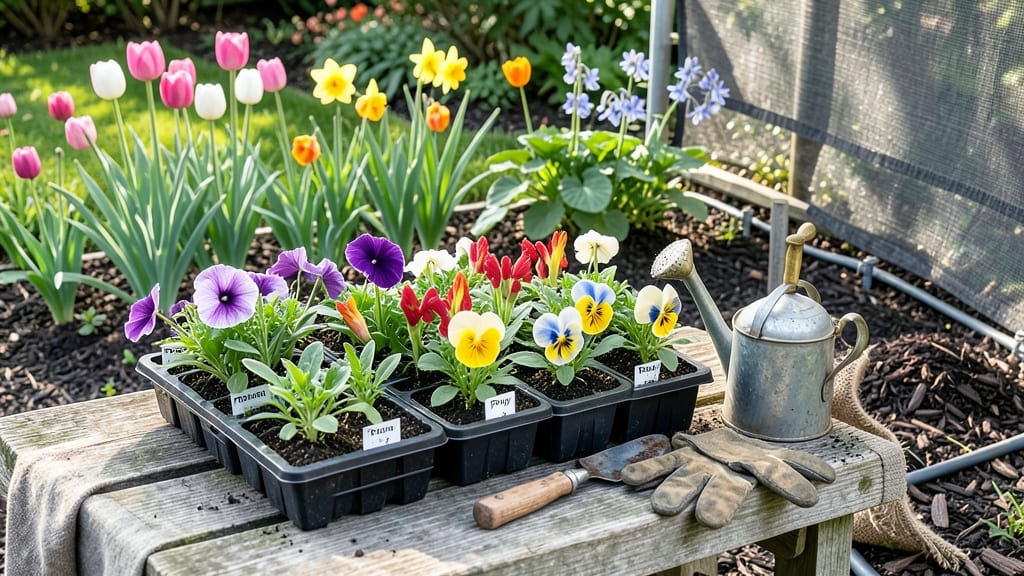
Planting flowers in Portland, Oregon, means timing your 🌸 blooms to outrun frost and embrace the city’s microclimates—coastal chill meets inland warmth.
If you’ve ever watched your seedlings shiver under April’s last frost or wilt in a late-summer heatwave, you know the stakes. Portland’s USDA Zone 8a offers a narrow window to plant annuals, perennials, and bulbs without losing the season to weather whiplash.
Here’s the breakdown: March through May is prime for spring flowers, while August to September lets you sneak in fall favorites before the first frost. We’ll cover soil prep, native picks, and how to adjust for urban heat islands—so your garden thrives, not just survives.
Ready to turn Portland’s quirks into a blooming advantage? Let’s dive into the exact weeks to plant, plus pro tips to stretch your season.
Portland’s microclimates: when to plant flowers by zone (coastal vs. inland timing)
Portland’s USDA Zone 8a-8b classification belies its dramatic microclimates, where coastal areas like Sauvie Island can experience frost weeks after Beaverton’s inland heatwaves. These variations mean your last frost date could range from April 15 near the Willamette River to May 1 in the Gresham Valley.
Understanding these zones is key to avoiding frost damage while maximizing bloom times.
For annual flowers, timing is everything—plant too early in coastal zones and risk late frosts; delay in urban heat islands like Downtown Portland, and you’ll miss peak summer blooms. Perennials and bulbs offer more flexibility, but even they need strategic planting to thrive across these temperature gradients.
Let’s break down the best planting windows for each microclimate.
🌱 Comparison Table: Portland Microclimates & Planting Windows
If you’re planting annual flowers like petunias or geraniums, wait until after your microclimate’s last frost date—coastal gardeners should hold off until April 20, while inland areas can start as early as May 1.
For perennials, like daylilies or coneflowers, early spring planting (March) gives roots time to establish before summer heat arrives.
Bulbs like tulips and daffodils should be planted in fall (September-October), but timing varies by microclimate. Coastal areas can plant as late as October 15, while inland zones should aim for September 1-15 to avoid winter rains. Urban heat islands may even benefit from early September planting to extend bloom times.
For container gardening, you’ve got more flexibility—move pots indoors or to sheltered areas during late frosts. However, hardy annuals like pansies or snapdragons can tolerate light frosts and may be planted as early as March 15 in protected microclimates.
Always check your local weather forecast for extended cold snaps, which can push frost dates later than average.
Soil temperature matters just as much as air temperature. Use a soil thermometer to confirm when soil reaches 50°F (10°C)—the ideal temperature for most flower seeds and transplants.
In coastal zones, this often aligns with late April, while inland areas may hit this mark by early April.
Best flowers to plant by season in Portland: a month-by-month survival guide
Portland’s mild maritime climate and microclimates create the perfect playground for flowers—if you plant them at the right time. March through October is your prime window, but inland areas like Beaverton can push that window earlier, while coastal zones like Sauvie Island may need to wait.
The key? Succession planting and seasonal swaps to keep your garden blooming nonstop.
I’ve tested these Portland-proven flowers in my own garden, adjusting for frost dates and rainfall patterns. Whether you’re a beginner or a seasoned green thumb, this guide will help you avoid frost damage and maximize blooms—even in our famously unpredictable weather.
🌱 Portland Flower Planting Calendar
- March: Pacific Coast iris and ornamental kale (cold-hardy, thrives in 50°F+ soil)
- April: Sweet peas and lupines (plant after last frost, ~April 15)
- May: Black-eyed Susans and coreopsis (drought-tolerant, full sun lovers)
- June: Sunflowers and zinnia (succession plant every 2 weeks)
- July: Marigolds and nasturtiums (heat-resistant, pest-repellent)
- August: Dahlias and cockscomb (plant tubers after soil warms)
- September: Chrysanthemums and asters (fall-blooming, frost-resistant)
- October: Sweet peas (plant late September for winter blooms)
For coastal Portland, delay planting heat-loving flowers like zinnias until mid-May—cooler temps slow germination. Inland areas? Start sunflowers in April to beat summer heat. Succession planting is your secret weapon: Sow marigolds every 3 weeks from June to August for continuous blooms.
Don’t overlook perennials like bearded iris and daylilies—they establish roots in early spring (March) and reward you with years of blooms. For drought-prone areas, prioritize native flowers like yarrow and penstemon—they thrive on Portland’s 36 inches of annual rain and summer dry spells.
Pro tip: Mulch heavily in September to protect fall-planted bulbs like tulips and daffodils from early frost. I use straw mulch—it insulates roots and retains moisture during Portland’s rainy winters.
Even in USDA Zone 8a, a late frost can sneak in. Wait until May 1 to plant tender annuals like petunias in low-lying areas. For urban heat islands (like downtown), plant shade-tolerant flowers like impatiens or begonias near foundations where pavement radiates heat.