
Plants
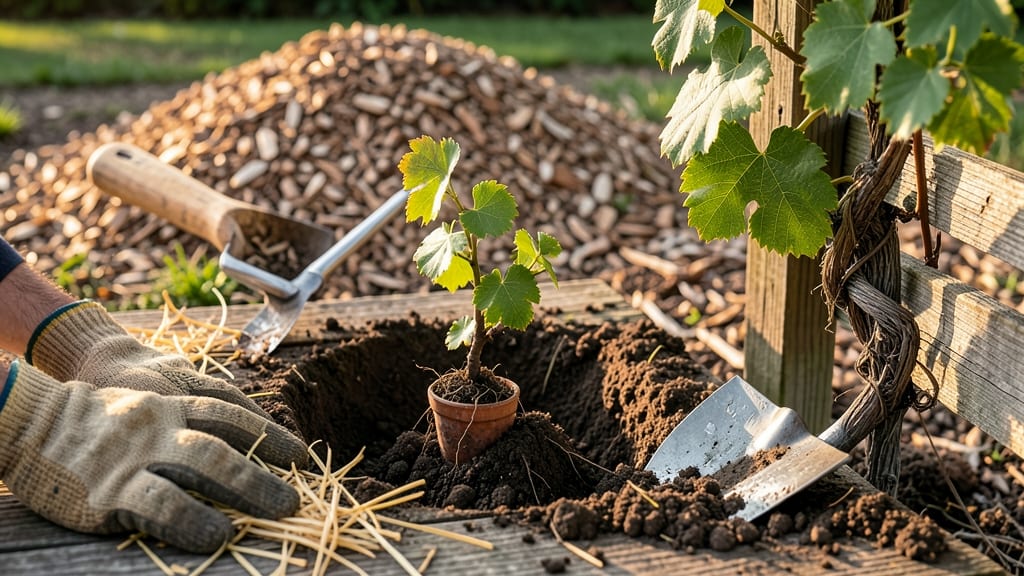
Planting grapes in Ohio after the last frost date—usually around April 15—sets the stage for strong root growth and a productive harvest 🍇.
Here’s the catch: Ohio’s frost dates can shift by weeks, leaving you stuck between waiting too long and planting too early. One late frost can turn a promising vine into a sad, frozen memory.
This guide breaks down the exact frost-date window for Ohio’s 6a zone, plus how to adjust for microclimates and unpredictable springs. We’ll also cover the best grape varieties for your region and when to expect your first harvest.
By the end, you’ll know not just when to plant, but how to give your grapes the best start—no guesswork included.
Ohio’s ideal grape planting window by frost zone
Ohio’s diverse frost zones (5 through 9) create a complex planting puzzle for grapes. The last spring frost can vary by 3+ weeks between northern and southern regions, while fall frost dates shift dramatically too.
Getting this wrong means wasted vines or stunted growth—so let’s break it down by zone to find your perfect planting window.
Start by locating your USDA frost zone on the USDA Plant Hardiness Map. Ohio spans zones 5-9, with northern counties (like Ashtabula) in zone 5 and southern areas (like Chillicothe) reaching zone 7.
Each zone has a unique frost-free window that dictates when grapes can safely establish roots before summer heat sets in.
Pro Tip: Use the Ohio State University Extension’s frost date calculator for hyper-localized predictions. Their data accounts for microclimates like river valleys (warmer) or hilltops (colder), which can shift frost dates by 1-2 weeks even within the same zone.
| USDA Zone | Last Spring Frost | First Fall Frost | Ideal Planting Window | Grape Variety Notes |
|---|---|---|---|---|
| Zone 5 (Northeast) | May 5–15 | September 20–October 5 | April 20–May 10 (bare-root only) | Cold-hardy varieties like Concord or Niagara thrive here. Avoid tender Vitis vinifera types. |
| Zone 6 (Central) | April 25–May 10 | October 5–15 | April 1–May 15 (expandable to June 1) | Hybrids like Marquette or Frontenac excel. French-American hybrids tolerate humidity well. |
| Zone 7 (Southwest) | April 10–20 | October 15–25 | March 20–May 20 (longest window) | Wine grapes like Cabernet Franc or Chardonnay can succeed with winter protection (mulch + frost cloth). |
| Zone 8 (Extreme South) | March 20–April 5 | November 1–15 | February 15–April 30 (earliest start) | Tropical varieties like Muscadine or Scuppernong thrive here. No winter dormancy needed for some types. |
For zone 5 growers, the April 20–May 10 window is critical—planting earlier risks frost damage to emerging shoots, while waiting too long delays root establishment. Zone 6 gardeners have the most flexibility, with a 6-week window that includes both bare-root planting and container-grown vines.
In zones 7-8, the extended frost-free season allows for earlier planting (as early as mid-February in zone 8). However, avoid planting after May 20—late plantings struggle to harden off before winter, leading to winter dieback.
Hardiness Matters: Table grapes (like Concord) tolerate -20°F temps, while wine grapes (like Cabernet Sauvignon) need winter protection below 10°F. Native Vitis labrusca varieties (e.g., Catawba) are the most frost-resistant for Ohio.
Use black plastic mulch or straw bales to warm soil 2-3 weeks earlier in colder zones. In zone 5
How to adjust planting dates for Ohio’s unpredictable spring weather
Ohio’s spring weather can throw off even the most experienced gardener—one week of warm sunshine followed by a killing frost can turn your grape planting dreams into a root rot disaster. The key is flexibility.
By using soil warming, microclimate awareness, and backup planting strategies, you can extend your growing window and give your vines the best possible start. My Concord grapes thrived last year because I adjusted my timeline based on real-time forecasts, not just the calendar.
First, check the USDA Plant Hardiness Zone Map for your specific Ohio location—most of the state falls between Zone 5b and 6b. But don’t stop there. Local weather patterns can shift 1-2 weeks earlier or later than the averages.
For example, southern Ohio (Zone 6b) might see safe planting by mid-April, while northeastern Ohio (Zone 5b) could wait until late May. Always have a Plan B ready.
🌱 5 Pro Tips to Extend Your Ohio Grape Planting Window
- 🔥 Warm the soil 2-3 weeks before planting by covering bare soil with black plastic mulch or a cold frame. This can add 5-10°F to soil temps, speeding up root growth.
- 📅 Monitor frost forecasts daily using the National Weather Service or Old Farmer’s Almanac. Set alerts for 32°F or lower—this gives you a 48-hour warning to protect young vines.
- 🏡 Leverage microclimates. South-facing slopes, stone walls, or urban heat islands can be 5-7°F warmer than open fields. Plant in these spots first.
- 🛡️ Use frost cloth or row covers to protect newly planted vines. These can raise temps by 3-5°F and shield from light frosts (28-32°F).
- 📆 Have backup dates:
- Northern Ohio (Zone 5b): May 15-30 (primary) or June 1-15 (backup)
- Central Ohio (Zone 6a): April 20-May 10 (primary) or May 20-30 (backup)
- Southern Ohio (Zone 6b): April 1-15 (primary) or April 25-May 10 (backup)
If you’re planting in late spring (May-June), focus on established root systems rather than bud break. Choose dormant bare-root vines and plant them deeper than the graft union (if applicable) to protect against late-season frosts.
My Niagara grapes planted in early June still produced a full harvest because I prioritized soil moisture and mulch coverage.
Don’t forget about fall planting—it’s a great strategy for Ohio’s climate. Plant 6-8 weeks before the first frost (typically late September-October) to allow roots to establish before winter.
This gives vines a head start next spring. Just avoid planting if soil temps drop below 40°F—roots won’t grow in cold soil.
Finally, keep an eye on humidity levels. Ohio’s spring can be wet and muggy, increasing the risk of fungal diseases like powdery mildew. Space vines 6-10 feet apart for airflow and apply copper fungicide preventatively if humidity stays high.
My Marquette grapes stayed healthy all season because I combined proper spacing with weekly fungicide sprays during peak humidity.
Adjusting your planting dates isn’t about guessing—it’s about strategic flexibility. Use these tips to turn Ohio’s unpredictable spring into an advantage, and your grape vines will reward you with stronger growth and bigger harvests year after year. 🍇