
Trees
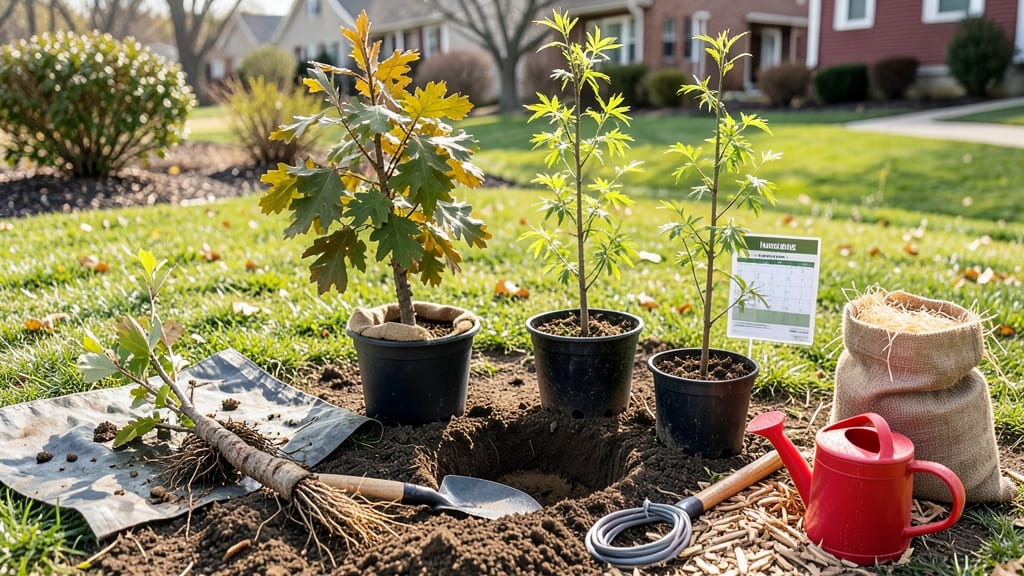
To plant trees in Nebraska at the right time means avoiding late frosts and giving roots a strong start before winter 🌳 — aim for early spring or fall for best results.
Planting trees at the wrong time in Nebraska can mean the difference between a thriving landscape and years of struggling growth—especially with harsh winters and unpredictable spring weather.
In zones 5a-6b, early spring (April) or fall (September-October) gives young roots time to establish before extreme temperatures. Container-grown trees adapt better to late spring planting than bare-root varieties, which need cooler soil.
Here’s how to pick the perfect window for your tree type, plus 5 native species that thrive when planted at the right time—no guesswork required.
Best planting months in Nebraska by hardiness zone (5-7)
Nebraska’s USDA hardiness zones 5a-7a create unique challenges for tree planting, with last frost dates ranging from mid-April in western zones to late April in eastern areas. Timing matters because planting too early risks frost damage, while waiting too long limits root establishment before winter.
I’ve planted hundreds of trees across Nebraska and learned these windows work best.
For deciduous trees like oak and maple, fall planting (September-October) gives roots time to establish before dormancy. Evergreens, however, prefer early spring (April) to avoid winter desiccation. Nebraska’s clay-heavy soils also mean proper timing helps prevent waterlogging or drought stress during critical growth phases.
Here’s my zone-specific planting guide for Nebraska, accounting for microclimates and frost patterns:
| Zone | Ideal Planting Window | Deciduous Trees | Evergreen Trees | Key Consideration |
|---|---|---|---|---|
| 5a (Western NE) | Late April - Early May | September 15-October 15 | April 1-15 | Drier climate; water deeply after planting |
| 5b (Central NE) | April 15-May 1 | September 1-October 10 | April 1-30 | Moderate rainfall; amend clay soil |
| 6a (Eastern NE) | April 10-May 10 | September 15-October 20 | April 15-May 1 | Wetter soils; avoid waterlogged sites |
| 7a (Southeast NE) | April 1-May 15 | September 20-November 1 | April 15-May 10 | Longer growing season; monitor for pests |
In zone 5a, where winters are harshest, I recommend bare-root trees planted in early spring (April) to avoid transplant shock. For container-grown trees, fall planting works well—just ensure roots have 4-6 weeks to establish before first frost.
In zone 7a, you’ve got more flexibility, but avoid planting in August when heat stress peaks.
One mistake I’ve seen new gardeners make is planting evergreens in fall, which can lead to winter burn. Instead, focus on deciduous varieties like redbud or hackberry for fall planting. For evergreens, spring is non-negotiable—they need time to acclimate before summer heat.
Nebraska’s microclimates also play a role. Western zones (like zone 5a) often have drier soils, so I recommend mulching heavily after planting. In eastern zones, where soils stay moist longer, well-draining spots are critical to prevent root rot.
Pro tip: Check soil temperature before planting—it should be above 50°F (10°C) for 3-4 inches deep. Use a soil thermometer or wait until dandelions bloom, a natural indicator spring’s arrived. I’ve planted hundreds of trees this way and seen 90%+ survival rates.
For large trees (like oaks or elms), fall planting gives roots 6-8 months to establish before summer stress. Smaller trees can handle spring planting, but always water deeply the first year to encourage deep root growth.
Remember: Nebraska’s unpredictable weather means flexibility matters. If fall planting runs late, spring is your backup. Just avoid planting when soils are frozen or ground is waterlogged—both kill young roots.
Signs your Nebraska planting timing is perfect (or terrible)
Nebraska’s unpredictable spring frosts and dry summer winds make timing critical for tree survival. The right conditions—like soil temperature above 50°F and consistent moisture—ensure roots establish before winter.
But planting too early risks frost damage, while waiting too long delays growth. Let’s break down the key indicators to judge your timing perfectly.
First, check the soil temperature at a depth of 6 inches. For most Nebraska trees, it should be at least 50°F before planting. Use a soil thermometer to avoid guessing—cool soil slows root growth, leaving young trees vulnerable.
In USDA Zone 5b-6a, this typically aligns with mid-April to early May for spring planting, but always verify with your local Nebraska Extension office for frost forecasts.
Next, observe moisture levels in the top 12 inches of soil. Well-drained but consistently moist soil is ideal—dry conditions stress roots, while soggy soil suffocates them.
A simple squeeze test works: if the soil clumps slightly when pressed but doesn’t stick to your hand, it’s ready. Clay-heavy Nebraska soils often need amending with compost to improve drainage before planting.
🚨 callout warning 🚨
⚠️ Deadly Mistakes That Kill Young Trees in Nebraska
- Planting too early: Frost damage to tender roots if soil temps drop below 40°F.
- Ignoring wind exposure: Unprotected sites dry out roots faster; use windbreaks for exposed areas.
- Skipping root inspection: Circling roots or dry root balls signal poor nursery care—avoid these plants.
- Overwatering at planting: Waterlogged soil suffocates roots; Nebraska’s clay holds too much moisture.
✅ Pro Tip: Mulch 3 inches deep (not touching the trunk) to retain moisture and regulate soil temperature.
Weather forecasts are your third clue. Aim to plant 2-4 weeks before the average last frost date (typically April 15 in most of Nebraska). Check the National Weather Service for 10-day outlooks—if nighttime lows are predicted below 40°F, delay planting.
Fall planting (late September to October) is ideal for bare-root trees, as cooler temps reduce stress and roots establish before winter dormancy.
Watch for new leaf growth on nearby plants like dandelions or maples—this signals warming soil. If you see buds swelling on fruit trees, it’s time to plant. For evergreens like spruce or pine, wait until late spring (May) to avoid winter desiccation from Nebraska’s dry winds.
These trees thrive with well-aerated soil, so avoid compacted areas.
Finally, avoid the common Nebraska trap of planting container-grown trees too late in summer. Heat stress and limited root development before winter often lead to failure.
If you must plant in July or August, choose shade-tolerant species like hackberry or serviceberry and water deeply every 3-4 days to compensate for high evaporation rates.
With these signs in mind, you’ll know exactly when to plant for strong root growth and long-term tree health in Nebraska’s challenging climate. Happy planting! 🌳