
Flowers
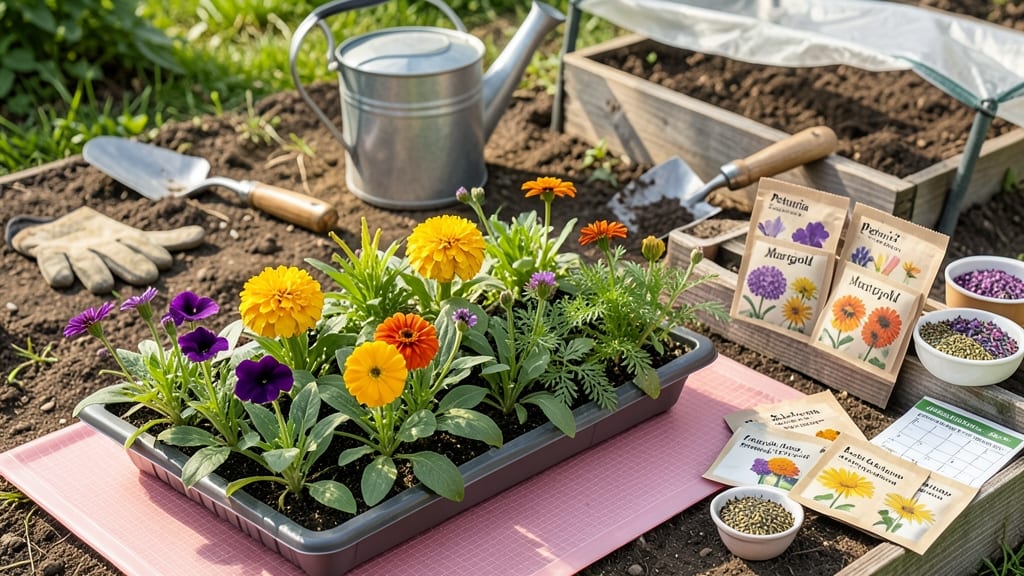
Planting flower seeds in Michigan at the right time means the difference between a burst of color by summer and a season of waiting for blooms 🌸.
Timing your flower seed planting in Michigan can mean the difference between a vibrant summer garden and a season of disappointment—knowing your county’s last frost date is the key to success.
In zones 5b-6b, most gardeners wait until mid-April to early May for tender varieties, but hardy annuals like pansies can go in as early as March. The Upper Peninsula’s cooler climate often pushes planting back by 2-3 weeks compared to Detroit.
Below, I break down the exact frost dates by county, which flowers thrive when planted early vs. late, and how to protect seedlings if a late frost sneaks in.
Michigan county last frost dates: exact timing for flower seed planting
Michigan’s diverse climate means your last frost dates can vary dramatically between the Upper Peninsula and Lower Peninsula. For example, Marquette in the UP often sees its last frost around May 20, while Detroit in the LP typically warms up by May 5.
These differences directly impact when you can safely plant cold-hardy flowers like pansies or tender varieties like marigolds.
Understanding these dates helps you avoid frost damage to young seedlings. For instance, planting zinnias too early in Wayne County (around April 20) risks killing them if a late frost hits.
Meanwhile, in Chippewa County in the UP, you might wait until May 15 for the same results. Always check your local USDA Zone (Michigan spans 5b-6b) and historical frost data.
Here’s a quick guide: Cold-hardy flowers (like snapdragons or calendulas) can handle light frosts and can be sown 2-4 weeks before your last frost date. Tender flowers (such as petunias or geraniums) need to wait until after the last frost, ideally when soil temperatures reach 60°F.
| Region | Last Frost Date | Early Planting Window (Cold-Hardy) | Late Planting Window (Tender) | Example Flowers |
|---|---|---|---|---|
| Lower Peninsula (South) | April 20 - May 5 | April 1 - April 15 | May 10 - May 20 | Pansies, Snapdragons, Calendulas |
| Lower Peninsula (North) | May 5 - May 15 | April 15 - April 30 | May 20 - June 1 | Sweet Alyssum, Violas, Larkspur |
| Upper Peninsula (Marquette) | May 20 - June 1 | May 1 - May 15 | June 10 - June 20 | Stock, Canterbury Bells, Foxgloves |
| Upper Peninsula (Houghton) | May 25 - June 5 | May 10 - May 20 | June 15 - June 25 | Delphiniums, Hollyhocks, Lupines |
For southern Michigan counties like Wayne or Oakland, you can start planting hardy annuals as early as April 1 under protection (like row covers). In contrast, northern UP counties like Keweenaw may need to wait until late May before risking frost-sensitive seeds outdoors.
Always monitor local weather forecasts in the weeks leading up to your target planting date.
If you’re unsure about your exact last frost date, use the National Weather Service or Michigan State University Extension resources. They provide historical frost data and updates.
For example, Berrien County in southwest Michigan averages its last frost on April 28, while Cheboygan County in the thumb area typically sees frost until May 10.
Pro tip: Start cold-hardy flowers indoors 6-8 weeks before your last frost date to get a head start. This way, you can transplant them outdoors as soon as the ground thaws.
For tender flowers, wait until after the last frost and soil is warm to avoid stunted growth. For instance, marigolds planted in cold soil may take longer to germinate.
In urban areas like Grand Rapids or Lansing, microclimates can create slight variations in frost dates. Urban heat islands may warm up 1-2 weeks earlier than rural areas. Always adjust your planting timeline based on your specific location within the county.
For example, Detroit’s downtown might be ready for zinnias by May 1, while suburbs like Rochester Hills could wait until May 10.
Remember, fall planting is also an option for some flowers like pansies or snapdragons. These can be sown in late summer (August-September) to bloom early next spring. However, avoid planting too late in the season, as seedlings need time to establish roots before winter sets in.
For example, Berrien County can plant fall flowers until September 15, while Marquette should finish by August 30.
By aligning your planting with your county’s last frost date, you’ll maximize your garden’s potential and enjoy a longer, more vibrant bloom season. Keep track of your local patterns year after year to refine your timing—every gardener’s experience is unique! 🌸
Best flowers to plant early vs. late spring in Michigan gardens
Michigan’s variable spring weather demands smart planning if you want a continuous bloom from early summer through fall. The key is matching flower frost tolerance with your county’s last frost date.
Early spring lets you plant cold-hardy annuals that thrive in 40°F soil, while late spring opens the door to heat-loving varieties that need 60°F+ soil to germinate.
For early planting (March-April), focus on pansies, snapdragons, and sweet alyssum—these frost-tolerant flowers can handle Michigan’s late frosts and even light freezes. They’ll give you color as early as May if planted correctly.
Meanwhile, late spring (May-June) is prime time for marigolds, zinnias, and sunflowers, which need warmer soil temperatures to avoid rot.
Early Spring Flowers (Plant March-April)
✅ Frost-resistant (survive 28°F temps)
✅ Early blooms (color by May)
✅ Low maintenance (drought-tolerant once established)
❌ Limited heat tolerance (may wilt in 85°F+)
❌ Shorter bloom season (typically 6-8 weeks)
❌ Slower growth in cool soil (40°F)
Late Spring Flowers (Plant May-June)
✅ Long bloom season (up to 4 months)
✅ Heat-loving (thrive in 75°F+)
✅ Bold colors (ideal for cut flowers)
❌ Frost-sensitive (die in 32°F)
❌ Need warm soil (60°F+ to germinate)
❌ Slower early growth (wait for stable warmth)
Let’s break down the ideal soil temperatures for each group. For early spring flowers, aim to plant when soil temps reach 40-50°F.
Use a soil thermometer to check—if it’s colder, wait or use row covers. Pansies, for example, can handle 32°F once established, but snapdragons prefer 50°F+ soil to avoid rot.
For late spring planting, wait until soil temps hit 60°F+. Marigolds and zinnias are my top picks—they germinate quickly in warm soil and repel pests naturally. Space them 12-18 inches apart for airflow, which prevents powdery mildew, a common issue in Michigan’s humid summers.
Pro tip: Direct-sow seeds after the last frost date (usually mid-May in southern Michigan, early June in the UP).
Don’t overlook native Michigan flowers like black-eyed Susans or coneflowers, which are drought-tolerant and low-maintenance. Plant them in late spring for summer-long blooms and pollinator support. Pair them with early bloomers like lobelia for a sequential color show all season.
One mistake I see often? Overcrowding seeds. Thin seedlings to the recommended spacing (check seed packets!) to avoid competition for nutrients. For early spring flowers, space 6-12 inches apart; for late spring varieties, give them 12-24 inches of room.
Mulch with straw or shredded leaves to retain moisture and regulate soil temp—critical in Michigan’s unpredictable springs.
With this two-phase approach, your Michigan garden can burst into color by May and keep blooming until frost. Start with cold-hardy early bloomers, then transition to heat-loving late-season stars for a nonstop floral display that’ll make your neighbors jealous. Happy planting! 🌷