
Companion Plants
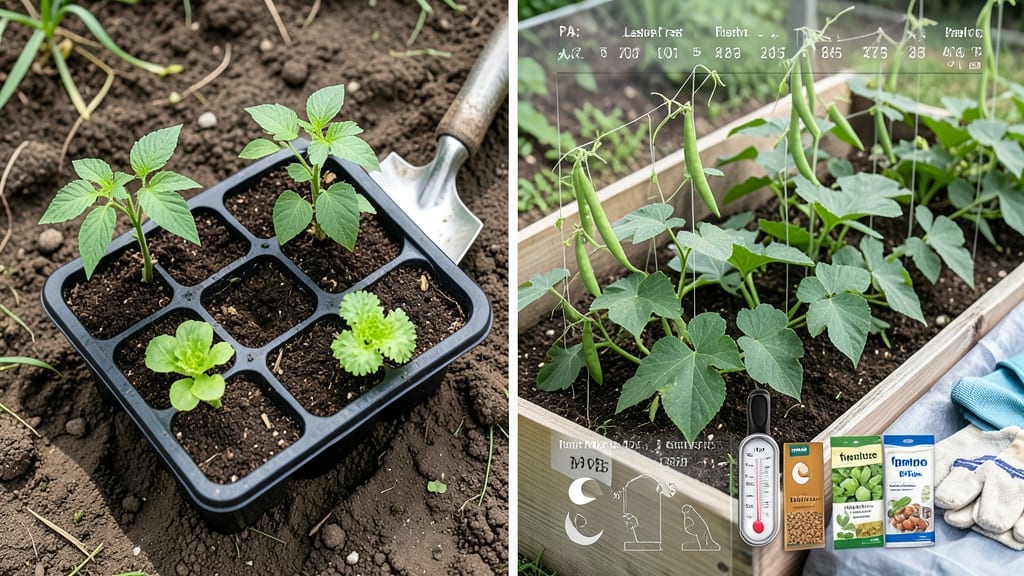
To plant in Pennsylvania at the perfect time means timing your garden so that frost-sensitive crops like tomatoes and peppers thrive while hardy greens like spinach and kale get a head start 🌱.
Pennsylvania’s unpredictable frost dates can turn a thriving garden into a failed experiment—unless you plan around the exact windows for planting success. Miss the mark, and your seedlings could freeze before they even sprout, or your summer crops might bolt in the heat.
Whether you’re in Pittsburgh’s cooler Zone 5b or Philadelphia’s milder Zone 7a, the key is knowing when to start seeds indoors, when to transplant tender plants, and how to adjust for late frosts or early heat waves.
Below, I break down the ideal planting windows for every season, from cool-season veggies in early spring to heat-loving herbs in late summer, so you can grow a garden that succeeds—no matter what Mother Nature throws your way.
PA frost dates by region: when to plant cool vs warm-season crops
Pennsylvania’s diverse climate—spanning USDA Zones 5b-7a—means frost dates vary dramatically from the southeastern coal region to the northwestern lakeside. In Zone 5b (e.g., Pittsburgh), the last frost typically hits April 15, while Zone 7a (e.g., Philadelphia) often sees frost-free conditions by May 1.
These differences dictate whether your tomatoes or peppers survive the season.
Cool-season crops like spinach and kale thrive when planted 4-6 weeks before your region’s last frost. Warm-season crops such as cucumbers and beans need to wait until 2-3 weeks after the last frost.
Microclimates—like urban heat islands or sheltered valleys—can shift these dates by 1-2 weeks, so always check local records.
Below, I’ve broken down PA’s 6 key regions with their average frost dates, ideal planting windows, and top crops for each zone. Use this as your garden’s roadmap to avoid frost-related disasters.
Pro Tip: For extra safety, use row covers or cold frames to extend your planting window by 2-4 weeks in early spring or late fall.
In the Southeast, where frost-free dates arrive earliest, you can start warm-season crops like tomatoes and peppers as early as mid-April with row covers. Meanwhile, the Northeast has a shorter growing season, so focus on fast-maturing varieties like bush beans or radishes.
For herbs, basil and
How to adjust planting timing for PA’s unpredictable weather patterns
Pennsylvania’s weather can throw off even the most experienced gardeners. The 2023 late spring freeze caught many off guard, proving that official frost dates aren’t always reliable. When your tomatoes or peppers are still seedlings, a sudden 28°F night can wipe out weeks of progress.
The key is flexibility—adjusting your planting strategy to match real-time conditions rather than calendar dates.
I’ve learned that extending seasons and using frost protection can add 4-6 extra weeks to your growing season. For example, row covers can raise soil temperatures by 5-8°F, while cold frames create microclimates where tender plants thrive.
Even choosing frost-tolerant varieties—like ‘Early Girl’ tomatoes or ‘Winterbor’ kale—can mean the difference between a failed crop and a bountiful harvest.
Here’s my step-by-step guide to adjusting planting timing when PA’s weather betrays the forecast:
- 1 Use a 10-day rolling average for frost risk. Track low temperatures over 10 days—if 3 out of 10 nights dip below 32°F, delay planting frost-sensitive crops like eggplants or cucumbers by 2 weeks.
- 2 Start seeds indoors 4-6 weeks before your last frost date for warm-season crops. Use grow lights to simulate 14-16 hours of daylight, accelerating growth. Transplant hardy seedlings like peppers or tomatoes after soil warms to 60°F.
- 3 Deploy row covers or frost blankets for early/late season protection. These raise soil temps by 5-8°F and shield plants from light frosts (28-32°F). Remove covers during the day to prevent heat buildup and fungal growth.
- 4 Plant frost-tolerant varieties as backup. For example, ‘Arctic King’ carrots survive 20°F, while ‘Winter Density’ lettuce thrives at 35°F. These hardy crops buy you time if your warm-season plants struggle.
- 5 Adjust for microclimates. South-facing slopes warm faster, while low-lying areas hold frost longer. Plant heat-loving crops like okra on sunny slopes and cool-season greens in shaded spots.
For example, in Pittsburgh (Zone 6a), I’ve had success planting tomato seedlings under row covers in mid-April, even if the official last frost is May 15. By late May, the covers are removed, and the plants are thriving.
Similarly, fall planting can extend into late August for kale or spinach, which handle light frosts beautifully.
Don’t let PA’s unpredictable weather derail your garden. With these adjustments, you’ll maximize your growing season and minimize losses—even when Mother Nature throws a curveball.
Start with one strategy, like row covers or frost-tolerant seeds, and build from there. Your future self (and your dinner table) will thank you!