
Plants
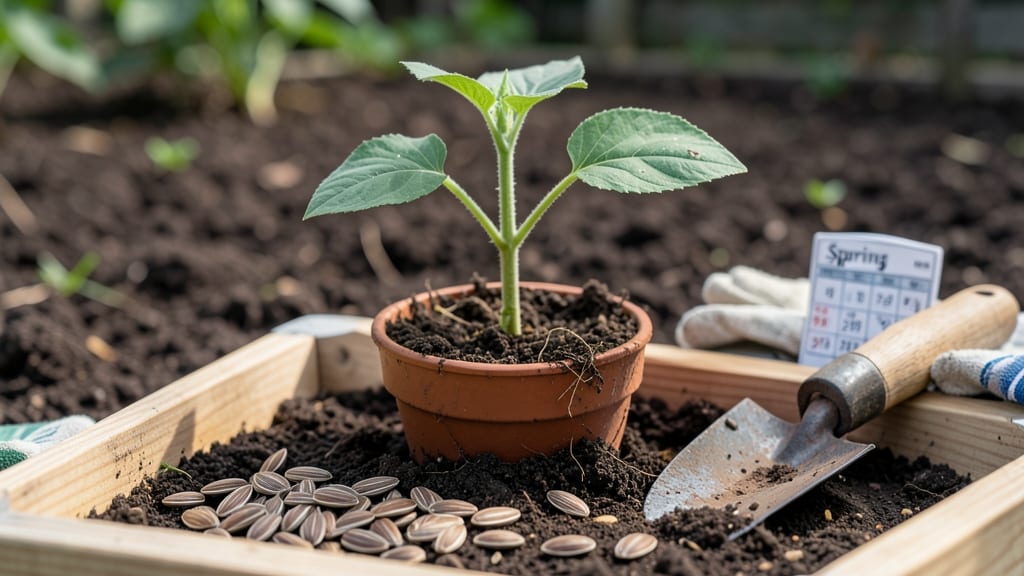
Planting sunflower seeds in Missouri after mid-April ensures they beat the last frost and reach their towering 12-foot potential 🌻.
Missouri’s unpredictable climate can make or break your sunflower harvest—but timing your planting just right ensures towering blooms and bountiful seeds. Whether you're growing for cut flowers, bird feed, or culinary oil, getting the frost-date formula right is the key to success.
In Missouri’s USDA Zones 5-7, soil temperatures need to hit 50°F before seeds go in, usually by late April or early May. This window gives sunflowers their 75-day growth cycle to mature before fall’s first frost.
Below, I’ll break down the exact frost-date math for your region, plus how to adjust for late springs or early heatwaves. You’ll also discover the best sunflower varieties for Missouri’s climate and how to maximize multiple plantings for continuous blooms.
Missouri sunflower planting dates by frost zone: a month-by-month guide
Sunflowers thrive in Missouri’s warm summers, but their planting timing depends heavily on your USDA frost zone. From northern Zone 5A to southern Zone 7B, last frost dates shift dramatically—sometimes by weeks—so knowing your zone is critical.
Sunflowers are warm-season plants that tolerate light frost but need soil temperatures above 55°F to germinate properly.
Most Missouri gardeners plant sunflowers directly in the ground after the last frost, but some varieties benefit from early starts indoors in cooler zones. The key is balancing frost risk with heat tolerance—sunflowers can handle Missouri’s summer heat but won’t survive late frosts.
Below, I’ve broken down the ideal month-by-month planting windows for each frost zone, including soil temperature thresholds and adjustments for early/late seasons.
🌱
In Zone 5A, where frosts linger until mid-April, I recommend starting seeds indoors in early April or using row covers for direct sowing. The soil in northern Missouri often stays chilly, so wait until soil temperatures reach 55°F—use a soil thermometer to check.
For Zone 6A and 6B, where last frosts typically occur by early April, direct sowing becomes much simpler. These zones benefit from staggered plantings every 2 weeks to extend your harvest window.
Southern Missouri’s Zone 7A/7B offers the earliest planting opportunities, with some gardeners sowing seeds as early as February in microclimates. However, even here, a late frost can damage young seedlings, so I always recommend having row covers or cloches on hand.
For all zones, aim to plant sunflowers 4-6 weeks before your last frost date—this gives them enough time to establish roots before summer heat sets in.
Sunflowers are fast growers, with most varieties reaching maturity in 75-90 days. This means you can often get two plantings per season in Missouri: one in early spring and another in early summer for a fall harvest.
For example, a June planting in Zone 6A can still produce blooms by late August or September, just in time for bird feed or seed saving.
🌻
If you’re unsure about your last frost date, check the Missouri State Climatologist’s office or use the
How to adjust sunflower planting for Missouri’s unpredictable weather patterns
Missouri’s late springs and early frosts can throw off even the most experienced gardener. But sunflowers are resilient—with the right adjustments, you can thrive in this climate. The key is flexibility: knowing when to push planting dates, how to protect seedlings, and which varieties handle Missouri’s extremes best.
Sunflowers grow fast, but they need warm soil (at least 55°F) to sprout. If your spring is slow, opt for heat-tolerant varieties like 'Autumn Beauty' or 'ProCut,' which mature quickly. For early frosts, use row covers or plant near heat-retaining structures like south-facing walls.
🌱 Numbered Highlights: Missouri Sunflower Adjustments
- 1. Staggered Planting: Sow seeds every 2 weeks from mid-April to June for continuous blooms. Missouri’s variable frost dates (April 15–May 15) make this essential.
- 2. Frost Protection: Use row covers or black plastic mulch to warm soil. Remove covers once plants hit 6 inches tall to avoid overheating.
- 3. Drought-Resistant Varieties: Choose 'Russian Giant' or 'Moulin Rouge'—both tolerate Missouri’s summer droughts with 1 inch less water weekly.
- 4. Soil Prep: Amend clay-heavy Missouri soil with compost to improve drainage. Sunflowers hate soggy roots during flash floods common in June.
- 5. Late-Season Extenders: For early October frosts, plant 'Teddy Bear' (dwarf variety) near greenhouses or elevated beds to delay frost damage.
Missouri’s heatwaves (often hitting by July) can stress sunflowers, but deep watering 2–3 times weekly keeps roots cool. Mulch with straw to retain moisture—critical during 90°F+ days. Avoid overhead watering to prevent powdery mildew, a common issue in humid Missouri summers.
If your last frost date slips past May 15 (common in northern Missouri), don’t panic. Sunflowers can handle light frosts as seedlings. Plant 'Early Bird' variety, which matures in 55 days, for a quick harvest before first frost (typically late October).
For urban gardeners, container-grown sunflowers (like 'Sunspot') adapt well to Missouri’s microclimates. Use 5-gallon pots with drainage holes and move containers to shadier spots during peak afternoon heat. This mimics the natural shade of taller plants in your yard.
Remember: Missouri’s unpredictable weather is manageable with flexible timing and the right tools. Start with 1–2 varieties, test what works in your specific zone, and adjust next year. Your sunflowers will thank you with vibrant blooms and resilient growth—no matter what Mother Nature throws at you. 🌻