
Plants
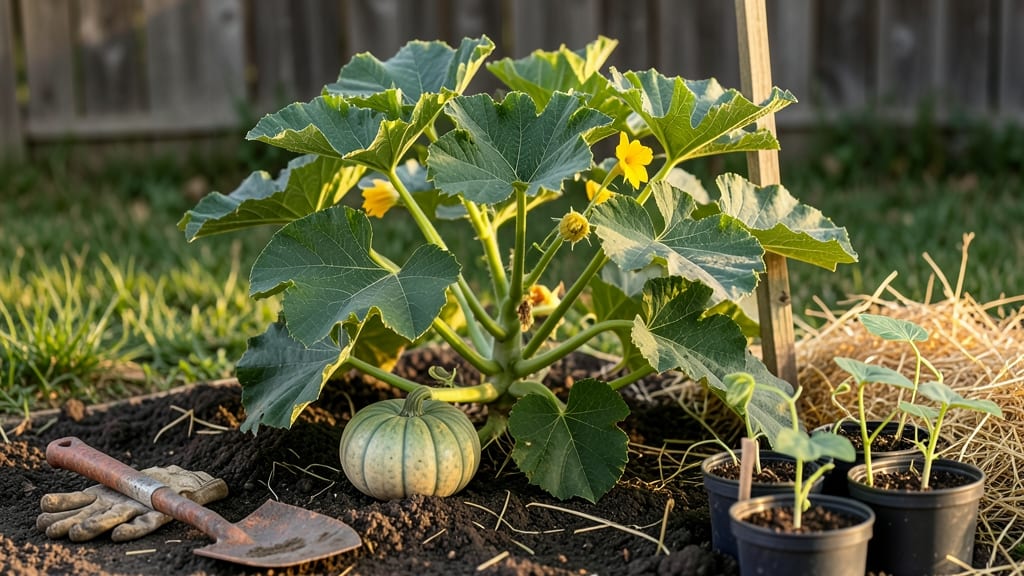
Planting pumpkins in North Texas at the right time means the difference between a bountiful harvest and a withered vine 🎃 — aim for mid-March to early May for spring plantings or late July for a fall crop.
North Texas gardeners know timing is everything—plant pumpkins too early, and they’ll bolt in the heat; too late, and frost ruins your harvest. But with the right heat-tolerant varieties and precise planting windows, you can grow jack-o’-lantern-worthy pumpkins even in the Lone Star State’s brutal summers.
This guide breaks down the exact dates for transplanting or direct sowing, accounting for North Texas’ 90°F+ summers and early frosts. We’ll also cover soil prep, heat-resistant varieties, and strategies to extend your growing season so you can maximize your yield.
Whether you’re a first-time gardener or a seasoned pro, these tips will help you avoid common mistakes and get the most out of your pumpkin patch this year.
North Texas pumpkin planting calendar: exact start dates by variety type
Timing your pumpkin planting in North Texas is all about beating the heat and avoiding early frost. The region’s 90°F+ summers and sudden first frost dates (as early as mid-November) demand precision.
Plant too soon, and seedlings will bolt; too late, and your harvest won’t mature before the cold sets in. The key? Choosing heat-tolerant varieties and sticking to proven planting windows.
Most North Texas gardeners focus on two planting cycles: spring transplants (for summer harvests) and late-summer direct sowing (for fall harvests). Summer varieties like ‘Cinderella’ and ‘Jackpot’ thrive in the heat, while winter squash like ‘Small Sugar’ need cooler temperatures to mature.
Below, I’ve broken down the exact dates by variety type, accounting for USDA Zone 8a conditions.
For transplants, start seeds indoors 4–6 weeks before your target planting date. Use biodegradable pots to minimize root disturbance when moving them outdoors. Harden off seedlings for 7–10 days before transplanting, especially if planting in late March, when nights can still dip below 50°F.
Use row covers for extra protection during early transplants.
If you prefer direct sowing, wait until the soil temperature consistently stays above 60°F. In North Texas, this typically means mid-April for summer squash and late July for winter squash.
Use a soil thermometer to confirm—cool soil delays germination. Plant seeds 1 inch deep and 3–4 feet apart for vining varieties, or follow spacing guidelines
How to extend your pumpkin growing season in North Texas heat
North Texas summers can turn your pumpkin patch into a wilting nightmare if you don’t act fast. When temperatures hit 95°F+, pumpkin vines struggle to photosynthesize, flowers drop, and young seedlings bolt prematurely.
But with the right strategies, you can protect your pumpkins and extend the growing season by 4–6 weeks. The key? Combining shade solutions, water management, and smart companion planting to keep your vines thriving.
I’ve grown pumpkins in Dallas and Fort Worth for years, and I’ve learned that heat stress is the #1 enemy—not frost, as many assume. While late frosts can nip seedlings in March, 100°F afternoons will kill your pumpkins faster.
The solution? A multi-layered approach that mimics natural shade (like dappled sunlight under trees) and retains moisture in the soil. Let’s break down the most effective tactics to keep your pumpkins happy in the Texas heat.
🌡️ Critical Heat Survival Checklist for Pumpkin Seedlings (First 7 Days)
- 🌱 Day 1: Plant seeds 1 inch deep, 12 inches apart in well-draining soil with 3–4 inches of mulch.
- 💧 Day 2–3: Water deeply at dawn (1–2 inches) to avoid fungal risks from evening moisture.
- ☀️ Day 4: Install 30% shade cloth if temps exceed 90°F—remove by late afternoon for sunlight.
- 🌿 Day 5: Plant basil or marigolds nearby to repel pests and improve vine health.
- 🌡️ Day 6–7: Monitor soil temp—keep above 60°F with black plastic mulch if needed.
⚠️ Warning: Seedlings wilted by Day 3? They’re already heat-stressed. Replace mulch immediately and water again.
Let’s start with shade cloth, which is your first line of defense. I recommend 30–50% shade cloth (not black plastic!) to filter UV rays while allowing indirect light.
Install it by 10 AM when temps rise above 85°F and remove it by 4 PM to prevent etiolation (weak, leggy vines). For extreme heat (100°F+), use white shade cloth, which reflects more heat than silver or black options.
Next, mulching is non-negotiable in North Texas. A 4–6 inch layer of straw or wood chips keeps soil 5–10°F cooler and locks in moisture. I’ve seen pumpkin vines double their yield just by adding mulch because the roots stay consistently hydrated.
Pro tip: Use black plastic mulch in late spring plantings (May–June) to warm soil faster and speed up germination.
Watering is where most gardeners fail. Drip irrigation is your best bet—it delivers water slowly and directly to roots, reducing evaporation. Water deeply every morning (before 10 AM) for 1–2 inches of moisture.
Avoid overhead sprinklers, which promote fungal diseases like powdery mildew. If you’re using soaker hoses, bury them 1 inch deep to prevent surface runoff.
Finally, companion planting can work wonders. Basil repels pests like squash bugs, while marigolds deter nematodes. I plant 1 basil plant per 3 pumpkin vines and scatter marigold seeds around the edges.
Another trick? Interplant radishes—they loosen soil and mark pumpkin rows without competing for space. Just avoid planting near potatoes or melons, which can spread diseases.