
Plants
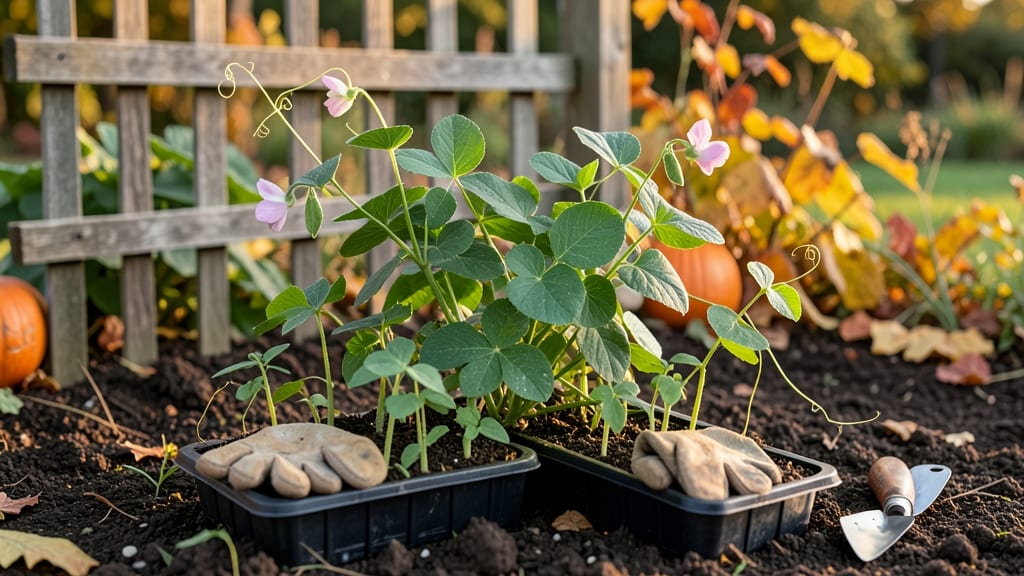
Planting snow peas in the fall 4-6 weeks before frost ensures tender pods before winter arrives — and missing that window means tough, woody harvests or worse.
Picture this: you’ve spent weeks tending to your 🌱 snow peas, only for a surprise frost to turn your crisp pods into chewy sticks. That’s why timing matters more than soil prep or variety choice.
In USDA Zone 6a, where I garden, the clock starts ticking in early September, but your exact window depends on your region.
Most gardeners assume "fall planting" means a single date, but the truth is more nuanced. Snow peas need 60-70 frost-free days to mature, so planting too early risks heat stress, while waiting too long leaves them vulnerable to cold.
I’ll show you how to calculate your zone’s sweet spot and adjust for late summers or early winters.
Once you’ve nailed the timing, the next challenge is keeping them thriving until harvest. We’ll cover companion plants that deter pests, spacing tricks to maximize yield, and how to stretch your growing season with simple row covers. Ready to turn fall’s chill into a harvest?
Optimal fall planting dates for snow peas by USDA Zone
Timing your snow pea planting in the fall requires precision—especially since these cool-season crops need 70-90 days to mature before frost hits. Unlike spring planting, fall schedules vary dramatically by USDA zone and regional microclimates.
For example, the Pacific Northwest might plant in early September, while the Deep South can extend planting into October. The key is aligning your planting window with your first-frost date and ensuring pods mature before temperatures dip below 20°F (-6°C).
To simplify, I’ve broken down the ideal fall planting windows for USDA Zones 3-10, accounting for regional variations like coastal moderation or inland cold snaps. These dates assume you’re growing standard snow pea varieties (e.g., 'Oregon Sugar Pod') with a 70-day maturity.
For faster varieties (like 'Tom Thumb'), adjust by subtracting 10-15 days from the harvest window.
Pro Tip: Always check your local frost-free days using the National Weather Service or Almanac—urban areas can be 2-5°F warmer than rural zones, delaying frost by 1-2 weeks. For instance, Zone 5 in Chicago might frost by October 25, while nearby Zone 5 in a valley could frost by October 10.
| USDA Zone | First Frost Avg. | Planting Window | Harvest Window | Regional Notes |
|---|---|---|---|---|
| Zones 3-4 | Mid-September | Late July – Early August | Late August – Mid-September | Short season; use fast varieties (60 days). |
| Zones 5-6 | Late October | Mid-August – Mid-September | Late September – Late October | Classic fall window; extend with row covers. |
| Zones 7-8 | Mid-November | Late August – Early October | Late September – Mid-November | Longer harvest; plant succession crops every 2 weeks. |
| Zones 9-10 | Late December | September – Early November | October – December | Mild winters; plant late varieties for winter harvests. |
| Pacific Northwest | Mid-October | Early August – Late September | Late September – November | Coastal areas frost later; plant 1-2 weeks earlier. |
| Deep South | Mid-November | Late August – Early October | Late September – December | Humidity risks fungus; use raised beds for airflow. |
In Zones 3-4, where summers are short, I recommend planting early-maturing varieties like 'Tom Thumb' in late July to ensure pods ripen before the mid-September frost. These zones have the tightest window, so avoid late plantings—even a 2-week delay can mean no harvest.
For Zones 5-6, the classic window is mid-August to mid-September, aligning with the late October frost average. Here, you can stretch the season by planting every 2 weeks for staggered harvests.
Gardeners in Zones 7-10 enjoy more flexibility. In Zone 7, for example, you can plant through early October and still harvest into November. Meanwhile, Zone 10 growers can push planting into November for a winter harvest, though pods may taste sweeter after light frost.
The Pacific Northwest benefits from coastal moderation, allowing plantings up to late September without frost risk until mid-October. In contrast, the Deep South faces humidity challenges, so I suggest raised beds or black plastic mulch to prevent fungal diseases like powdery mildew.
One common mistake is planting too late in Zones 5-6 and hoping for a miracle harvest. If you miss the mid-September deadline, your peas won’t mature before frost. Instead, use cold frames or low tunnels to extend the season by 2-3 weeks
How to extend your snow pea harvest before frost hits
Frost can turn your snow pea harvest from abundant to almost nonexistent in a single night. But with the right strategies, you can delay frost damage and keep those sweet pods coming until late fall.
The key is combining cold-hardy varieties, protective techniques, and smart planting schedules to buy extra time in your garden's growing season.
Even if your local first frost date is just weeks away, you don't have to give up on snow peas. By implementing these frost-delay tactics, you can extend your harvest window by 2-4 weeks—enough time to enjoy fresh peas straight from your garden.
Let's explore the most effective methods to keep your snow peas thriving right up until winter.
Start with row covers—these lightweight fabrics create a protective bubble that shields plants from light frosts (28°F-32°F) while still allowing sunlight, water, and air to pass through. For even colder nights, combine row covers with cold frames or low tunnels to trap additional heat.
I've found that using floating covers (secured with bricks or stakes) works best because they don't smother the plants like heavy blankets might.
Another game-changer is black plastic mulch, which warms the soil by absorbing sunlight. Lay it down 2-3 weeks before planting to create a warmer growing environment. This extra warmth helps snow peas germinate faster and grow more vigorously, giving them a head start before cooler weather arrives.
Just remember to remove the mulch once plants are established to prevent overheating.
For late-season planting, focus on cold-hardy varieties that can withstand 25°F temperatures. Varieties like 'Lincoln' and 'Oregon Sugar Pod' are excellent choices—they mature quickly and produce sweet pods even when nights get chilly.
Pair these with succession planting every 2 weeks starting in late August to ensure a continuous harvest until frost.
Don't forget about companion planting to maximize your garden's efficiency. Planting snow peas near radishes or lettuce helps utilize space while the radishes mature quickly. The lettuce can even act as a living mulch, shading the soil and keeping it cooler during hot days.
This strategy not only saves space but also extends your growing season by keeping the soil in better condition.
Finally, monitor your soil temperature—snow peas prefer soil that's at least 45°F for germination. Use a soil thermometer to check conditions before planting. If temperatures are too cool, consider using heat mats or planting in raised beds, which warm up faster than ground soil.
With these techniques, you can push your harvest window well into November in many climates.