
Plants
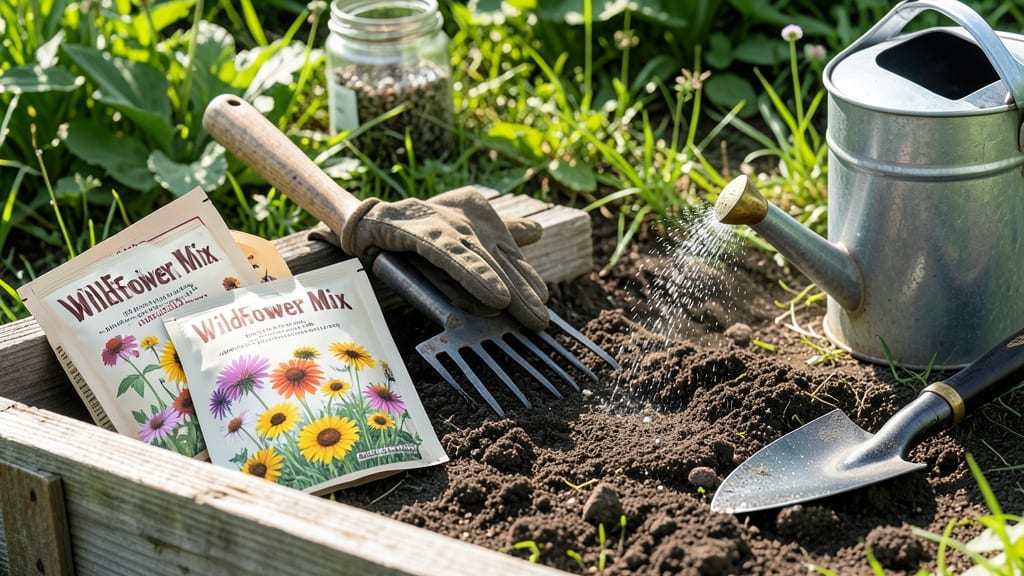
Planting wildflower seeds in Maine works best in late spring to early summer or early fall — timing that avoids frost and gives your 🌼 blooms the best shot at thriving.
If you’ve ever watched seeds sprout only to be wiped out by an unexpected frost, you know timing is everything. Maine’s short growing season and unpredictable weather make this a critical step for success.
Most gardeners in USDA Zones 5a-6b aim for late May through June or August to September, when soil temperatures are just right and the risk of frost has passed. But even then, coastal areas and inland spots can differ by weeks.
Below, I’ll break down the exact frost-free windows by month, the best wildflower varieties for Maine’s climate, and how to adjust for those late-spring surprises that love to show up.
Maine’s frost-free dates for wildflower seed planting by month
Maine’s variable climate makes timing critical for wildflower seed success. The last frost date typically arrives between mid-May and early June, but coastal areas like Portland often warm 1-2 weeks earlier than inland zones like Bangor. Understanding these micro-climate differences ensures your seeds germinate at the perfect moment.
For spring planting, aim for late May to early June when soil temperatures consistently reach 50°F (10°C). Fall planting offers a second chance—August to mid-September—giving seeds time to establish roots before winter. Both windows avoid frost damage while maximizing Maine’s short growing season.
🌱
Inland areas like Presque Isle experience later frosts, often pushing last frost dates to early June. Coastal regions like Bar Harbor can plant 1-2 weeks earlier, thanks to the Gulf of Maine’s moderating influence. Always check local Almanac records—Maine’s climate shifts yearly.
For spring planting, prepare soil in early May by removing weeds and loosening topsoil. Test for pH balance (6.0-7.0)—Maine’s acidic soils may need lime. Scatter seeds thinly after frost risk passes, then water gently to settle them into the soil without burying.
Fall planting offers higher success rates in Maine because seeds establish roots before winter. Choose August for Zone 6 (like Portland) or mid-September for Zone 5 (like Aroostook County). This gives seeds time to germinate before first frosts in October.
Native wildflowers like black-eyed Susan and New England aster thrive in Maine’s conditions. For coastal gardens, add beach grass to stabilize dunes. Inland areas benefit from goldenrod and purple coneflower, which tolerate Maine’s dry summers.
Use seed stratification for tricky species like wild bergamot. Cold-moisten seeds for 4-6 weeks in the fridge before planting. This mimics Maine’s natural winter cycle, ensuring better germination. Always label seed packets with planting dates to track progress.
Monitor soil moisture—Maine’s summers can be dry. Water newly planted seeds daily for 2 weeks, then taper to 2-3 times weekly. Mulch with straw to retain moisture and suppress weeds. Avoid overwatering, which causes seed rot in Maine’s cool, damp springs.
🌿
How to adjust planting timing for Maine’s unpredictable weather
Maine’s unpredictable frost dates and variable soil moisture can turn your wildflower dreams into disappointment if you’re not prepared. Unlike milder climates, Zone 5-6 requires precision—especially for seeds that need consistent warmth to germinate.
I’ve learned the hard way that planting too early risks frost damage, while waiting too long may miss the optimal summer bloom window.
Start by testing your soil temperature—wildflower seeds typically need at least 50°F (10°C) for consistent germination. Use a soil thermometer to monitor daily fluctuations, especially in coastal vs. inland areas where microclimates differ by weeks. For example, Portland’s last frost often arrives 2-3 weeks earlier than Bangor’s inland zones.
⚠️ callout warning ⚠️
Even after last frost dates, unexpected cold snaps (like the May 2020 freeze) can devastate young plants. Use row covers or delay planting until mid-June for high-risk zones like Northern Maine (Zone 5a). For fall planting, aim for August 15th—seeds need 6-8 weeks to establish roots before winter.
🌱 Pro Tip: Mix seeds with sand for even distribution and reduce bird predation.
For seed stratification (a must for many native wildflowers like black-eyed Susans or purple coneflowersmoist paper towel for 4-6 weeks. This breaks dormancy and ensures faster germination once planted. I’ve seen germination rates jump from 30% to 80% with this step—worth the extra time!
If your soil stays too wet (common in spring), delay planting until the ground dries enough to crumble in your hand.
Use a raised bed or sandy loam mix to improve drainage, especially in low-lying areas prone to waterlogging. Drought-tolerant varieties like yarrow or bee balm handle Maine’s summer dry spells better than moisture-loving types.
For a backup plan, sow half your seeds in spring (late May) and the other half in early fall (August). This dual approach spreads risk—if one batch fails due to weather extremes, the other may thrive.
I’ve had fall-planted seeds produce stronger blooms the following year because they establish roots before winter.
Finally, keep a planting journal to track your local frost dates and adjust future years. Note which wildflower mixes performed best in your specific microclimate—some non-native varieties may struggle in Maine’s short growing season, while native species like New England aster or wild bergamot adapt beautifully.
With these strategies, you’ll turn Maine’s unpredictable weather into an advantage for your wildflower meadow. 🌼