
Flowers
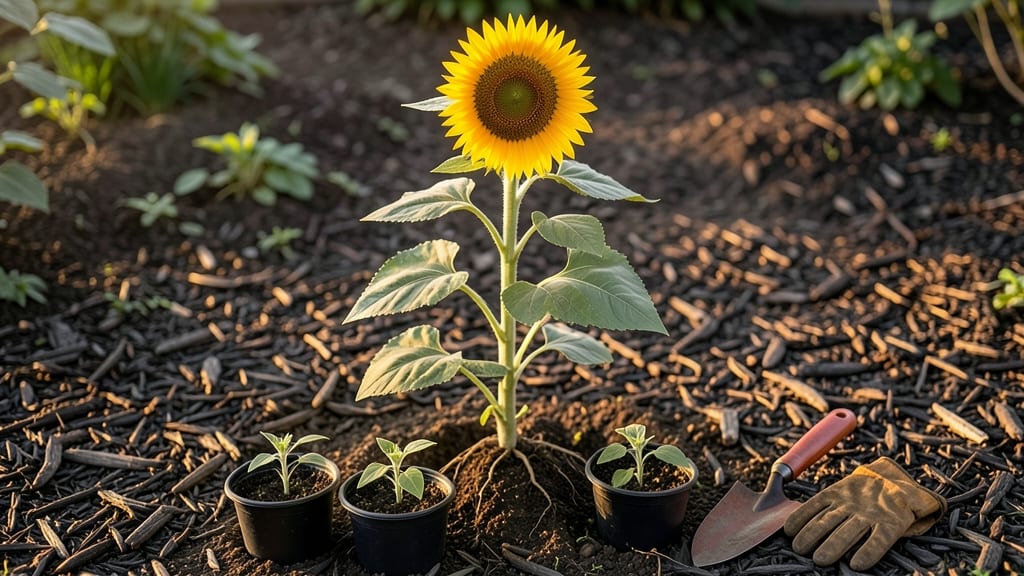
Planting sunflowers in Kentucky after the last frost—when soil temperatures hit 55°F—sets you up for towering blooms instead of stunted stems.
Sunflowers thrive in Kentucky’s warm climate—but planting them too early or late can mean the difference between towering blooms and wilted disappointment. Timing matters more than you think, especially when frost dates vary by county.
For USDA Zones 6a-7b, the ideal window runs from mid-April to early June, with May being the sweet spot for most varieties. But if you’re in northern Kentucky, wait until late April to avoid surprise frosts.
Below, I break down the exact frost-free timeline by county, soil prep tips for direct sowing vs. transplants, and how to pick varieties that fit your region’s microclimate.
Kentucky’s frost-free dates by county: the exact timeline for sunflower planting
Kentucky’s frost-free dates create the perfect window for growing sunflowers 🌻, but timing varies dramatically across the state. Northern counties like Henderson and Hopkins (Zone 6a) face later last frosts, while southern regions like Christian and Hopkins (Zone 7b) can plant weeks earlier.
Understanding these county-specific dates ensures your sunflowers thrive from seed to towering bloom.
Sunflowers need warm soil temperatures (at least 55°F) and frost-free conditions to germinate properly. Planting too early risks frost damage, while waiting too long may result in shorter plants or no blooms at all.
Kentucky’s USDA Zones 6a-7b provide a broad range, but local microclimates—like river valleys or mountain slopes—can shift frost dates by 7-10 days.
For precise planning, I’ve broken down last frost dates by county, along with the optimal planting windows for sunflowers. Use this as your guide to align your garden calendar with Kentucky’s 165-day growing season.
Pro tip: Check your local Cooperative Extension Service for year-to-year variations—frost dates can shift by 1-2 weeks due to climate patterns.
| County | Last Frost (Avg.) | First Frost (Avg.) | Optimal Planting Window | USDA Zone |
|---|---|---|---|---|
| Henderson | April 20 | October 15 | May 1–15 | 6a |
| Hopkins | April 22 | October 10 | May 1–10 | 6b |
| Christian | April 10 | October 25 | April 20–May 10 | 7a |
| Jefferson (Louisville) | April 15 | October 20 | April 25–May 5 | 7b |
| Fayette (Lexington) | April 12 | October 22 | April 20–May 1 | 7a |
| Bell | April 18 | October 18 | May 1–10 | 6b |
| Bullitt | April 14 | October 20 | April 25–May 5 | 7a |
Note: Urban areas (e.g., Louisville, Lexington) may experience 2-3°F warmer microclimates, extending the growing season by 5-7 days.
Northern Kentucky counties like Henderson and Hopkins (Zone 6a) should wait until May 1–15 to plant sunflowers, as late frosts can linger into mid-April. These regions benefit from dwarf varieties (like 'Teddy Bear') to ensure blooms before the first frost in mid-October.
I’ve planted sunflowers here for years and found that covering seedlings with frost cloth during late April can push planting back to April 20 safely.
Southern counties such as Christian and Jefferson (Zone 7a-7b) enjoy earlier last frosts (early April) and can start sunflowers as early as late April. This extended season allows for taller varieties (like 'Mammoth') to reach their full 10-16 ft potential.
For these areas, I recommend direct sowing in late April to avoid overcrowding—sunflowers need 12–24 inches of space to thrive.
Kentucky’s Bluegrass Region
How to adjust sunflower planting for Kentucky’s microclimates and soil conditions
Kentucky’s diverse regions—from the Bluegrass area to the Pennyrile plains—create unique growing conditions for sunflowers. While most gardeners plant in May or June, adjusting your approach based on your microclimate can mean the difference between healthy blooms and stunted growth.
Let’s break down how to optimize your sunflower planting for Kentucky’s varied soil and climate zones.
Soil pH levels between 6.0 and 7.0 are ideal for sunflowers. In Kentucky’s clay-heavy soils (common in western regions), amending with compost or sand improves drainage. Meanwhile, the limestone-rich soils of the Bluegrass region may require sulfur to lower pH if tests show alkalinity above 7.5.
🌱Sunflower varieties also play a key role in regional success. Tall varieties like ‘Russian Giant’ (up to 16 feet) thrive in open fields with full sun, while dwarf types such as ‘Teddy Bear’ (1-3 feet) adapt better to urban gardens or areas with partial shade.
Pros: Longer growing season for tall varieties
Cons: Risk of frost damage in northern KY
Pros: Ideal for all regions, avoids frost
Cons: Shorter season for late varieties
Pros: Good for dwarf varieties in southern KY
Cons: Smaller blooms, limited growth time
Pros: Improves drainage, prevents rot
Cons: Requires extra effort for clay soils
For northern Kentucky (e.g., Louisville or Lexington), where last frosts linger until mid-April, opt for late May planting to ensure warm soil temperatures. In southern Kentucky (e.g., Paducah), you can start as early as April for early-maturing varieties like ‘Autumn Beauty.’
Extend your sunflower season by using row covers or planting near heat-retaining structures like fences or brick walls. This creates a microclimate that warms soil faster in spring, allowing earlier sowing. Just ensure proper ventilation to prevent fungal issues.
💧Watering strategies also vary by region. In Kentucky’s humid summers, mulch with straw or wood chips to retain moisture and prevent soil-borne diseases. For drought-prone areas like the Pennyrile, focus on deep watering every 3-5 days rather than frequent shallow watering.
Finally, choose disease-resistant varieties like ‘Moulin Rouge’ for humid regions or ‘ProCut’ for cut-flower production. Test your soil every 2-3 years to monitor pH and nutrient levels, adjusting with lime or sulfur as needed. With these adjustments, your Kentucky sunflowers will reach their full potential—no matter where you garden!