
Flowers
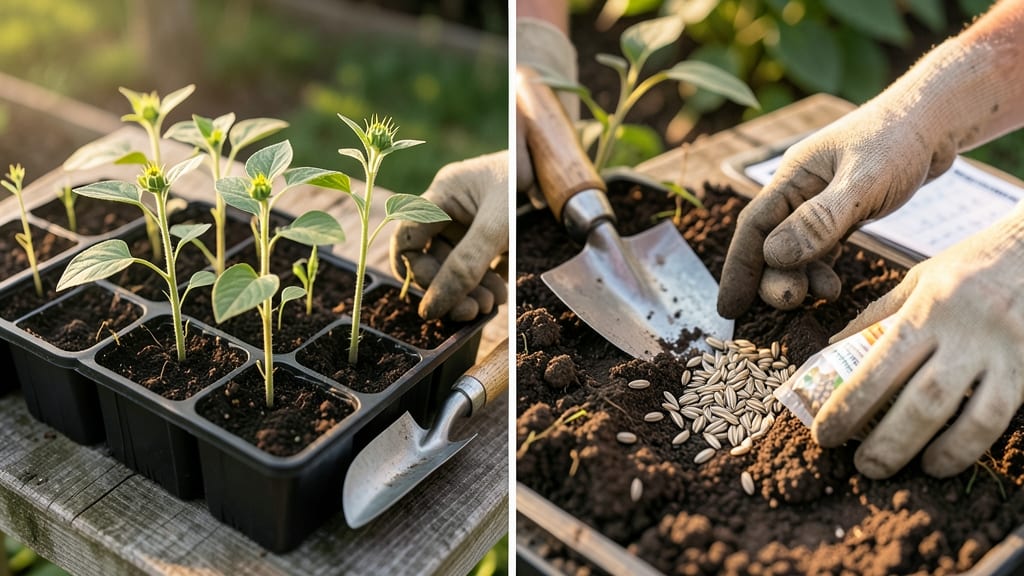
Plant sunflowers in Maine after the last frost, typically between mid-May and early July, to catch their full summer glory before the first frost arrives.
Maine’s short growing season means timing is everything—wait too long, and your 🌻 sunflowers won’t reach their towering heights before fall. But get it right, and you’ll enjoy blooms from late August through October, even in USDA Zones 5-6.
Whether you’re growing dwarf varieties for containers or giants for a backyard centerpiece, the key is soil warmth (at least 50°F) and a clear window before the first frost. Below, I’ll break down the best planting dates by variety and how to stretch your season with succession planting.
Ready to turn your garden into a sunflower spectacle? Check your local frost date and pick the perfect variety for your Maine microclimate—we’ll cover everything from coastal breezes to inland heat waves.
Maine’s frost-free planting deadlines for sunflowers by variety
Maine’s short growing season makes timing critical for sunflowers—miss the window, and you’ll lose those iconic blooms to frost. The last spring frost typically hits between May 15–June 1, while the first fall frost arrives September 15–October 1.
To maximize your sunflower’s potential, align your planting with these deadlines by variety, accounting for their unique maturity rates.
Dwarf varieties like ‘Teddy Bear’ mature fastest (50–60 days), while giants like ‘Russian Giant’ need 100–120 days. Planting too early risks frost damage, while late planting cuts bloom time short.
Below, I’ve mapped out frost-free deadlines for each category, ensuring your sunflowers reach their full height and color before Maine’s chill sets in.
🌱
For dwarf varieties, you can push the deadline to July 1—these sunflowers mature quickly enough to bloom before frost. Medium varieties like ‘Autumn Beauty’ should go in by June 10, while giant sunflowers demand early planting (May 1–15) to avoid stunted growth.
Heat-tolerant types like ‘Autumn Beauty’ handle Maine’s summer heat better, but cold-hardy picks like ‘Sunspot’ can handle later starts.
Pro tip: Check your local frost dates using the National Weather Service or a frost calendar. Coastal Maine areas (like Bar Harbor) may have 2–3 weeks later frost dates than inland spots (Augusta or Bangor). Adjust your planting by 10–14 days if you’re near the coast.
If you’re unsure about your soil temperature, wait until it reaches 50°F—cold soils delay germination. For extra protection, use row covers or plant in warm microclimates like south-facing walls. Stagger planting by 2 weeks for continuous blooms, mixing early and late varieties.
🌻
Remember, sunflowers are drought-tolerant once established, but they need consistent moisture during germination. Water deeply 1–2 times per week
How to adjust sunflower planting for Maine’s microclimates
Maine’s diverse landscapes—from coastal breezes to inland valleys and urban heat pockets—create unique microclimates that impact sunflower growth. A coastal Portland garden might enjoy 10°F warmer soil than highland Bangor by mid-May, while Augusta’s urban heat island can push summer temps 5°F higher than rural areas.
Understanding these variations lets you extend your sunflower season by weeks.
For coastal areas like Bar Harbor or Camden, where cool maritime air lingers until late May, delay planting until May 21–June 1 to avoid late spring frosts.
Inland regions such as Presque Isle or Waterville can plant 2 weeks earlier (May 1–15), thanks to warmer soil and longer sunlight exposure. Urban heat islands in Portland or Lewiston may even support late July plantings for fall blooms.
To maximize your sunflower season, try staggered plantings. For example, sow ‘Moulin Rouge’ (55 days) on May 15 and ‘Autumn Beauty’ (60 days) on June 1—this ensures blooms from late July to October.
In cooler highland zones, opt for ‘Teddy Bear’ (50 days), a dwarf variety that matures before frost.
Urban gardeners can leverage heat islands by planting ‘Russian Giant’ (85 days) in July for fall harvests. Place containers on south-facing rooftops or sunny balconies to absorb extra heat. Water deeply every 2–3 days during Maine’s dry Augusts to prevent bolting stress.
For coastal gardens, protect young seedlings with floating row covers until soil temps stabilize above 55°F. Remove covers after 2 weeks to avoid shading issues. In inland areas, mulch heavily with straw or grass clippings to retain moisture and regulate soil temperature.
Pro tip: Monitor your local microclimate by checking soil temperature with a thermometer (ideal: 50–60°F for germination). Adjust planting dates based on 3-year averages—some Maine summers are 2 weeks shorter than others!
With these tweaks, you’ll enjoy sunflowers from July to October, no matter where you garden in Maine.