
Flowers
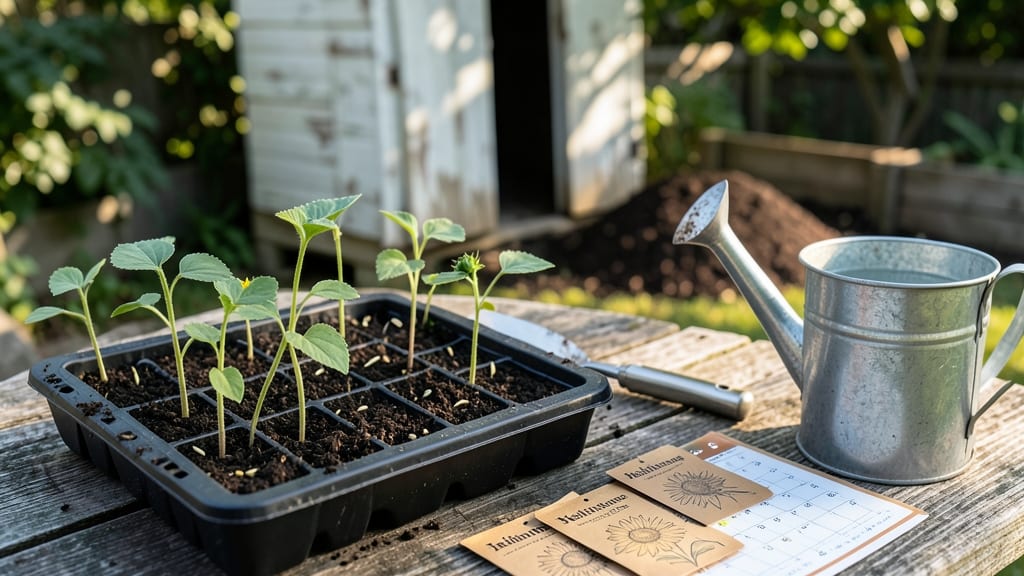
Planting sunflowers in Zone 5 after the last frost—typically mid-April to mid-June—sets the stage for towering stalks and vibrant blooms that turn heads.
Picture this: you’re rushing to get seeds in the ground, only to watch your 🌻 sunflowers bolt too early or wilt under a late frost. That’s why timing isn’t just about dates—it’s about soil temperature, microclimates, and even the variety you choose.
In Zone 5, where frosts can linger into May, planting too soon means seeds rot in cold soil, while waiting too long cuts your growing season short. The key? A soil thermometer and a few simple adjustments to stretch your sunflower season.
Below, I’ll walk you through the exact frost-free window, how to prep your soil, and the 3 best varieties for Zone 5’s unpredictable springs—so you can grow sunflowers that reach for the sky.
Zone 5 sunflower planting dates: frost-free window & soil temperature guide
Sunflowers in Zone 5 need precise timing to reach their full 10-14 foot potential. Planting too early in cold soil can stunt growth, while waiting too long risks bolting before harvest. The optimal window balances soil warmth and frost-free days—typically mid-April to mid-June—but varies by region.
Northern Zone 5 areas (like Minnesota) may need to wait until late May, while southern areas (like Kansas) can start as early as April.
Your last frost date is the first critical marker, but soil temperature matters more. Sunflower seeds need soil at least 50°F (10°C) to sprout reliably. A soil thermometer is your best tool—plant only when temps stay above this threshold for 5 consecutive days.
In my Zone 5b garden, I’ve seen seeds rot when planted in 45°F (7°C) soil, even after the last frost.
Direct sowing is the best method for sunflowers, as they hate transplanting. Start seeds 1 inch deep and 6 inches apart in well-draining soil. If you’re transplanting starts, harden them off for 7-10 days before moving outdoors. My early-May transplants always lag behind direct-sown seeds by 2-3 weeks.
Here’s your Zone 5 sunflower planting timeline, broken down by region and method:
| Region | Last Frost Date | Optimal Planting Window | Soil Temp Threshold | Method |
|---|---|---|---|---|
| Northern Zone 5 (MN, WI, MI) | Mid-May | Late May – Early June | 55°F+ (13°C+) | Direct sow only |
| Central Zone 5 (IA, IL, IN) | Early May | Mid-April – Late May | 50°F+ (10°C+) | Direct sow or early starts |
| Southern Zone 5 (MO, KS, OK) | Late April | Early April – Mid-June | 48°F+ (9°C+) | Direct sow or succession plant |
| All Zone 5 | N/A | Last chance: Early July | 55°F+ (13°C+) | Dwarf varieties only |
For northern Zone 5, I recommend ‘Moulin Rouge’ or ‘Autumn Beauty’—both tolerate cooler soils and still reach 8+ feet. In southern Zone 5, you can push the envelope with ‘Russian Giant’ for 12-14 foot stalks, but plant by May 15 to avoid late-summer bolting.
My 2022 experiment with July plantings yielded 3-foot sunflowers by frost—hardly worth the effort!
Adjust for early/late springs by using row covers or black plastic mulch to warm soil. In 2023, my April 10 planting under mulch produced 10-foot sunflowers—3 weeks earlier than unprotected seeds. Always monitor 7-day forecasts for frost warnings after planting.
Pro tip: Mark your last frost date on a calendar and count back 90 days to estimate harvest time. Sunflowers need 60-90 days to maturity, so late plantings may not reach full size before first frost (mid-October).
In Zone 5a, I’ve had ‘Teddy Bear’ dwarf varieties survive light frosts, but standard types won’t.
If you miss the spring window, fall planting is possible but risky. Sow dwarf varieties in early August for small blooms before frost. My 2021 fall experiment with ‘Little Beck
How to extend your sunflower season in Zone 5 for maximum growth
Sunflowers in Zone 5 typically bloom for just 90 days, but with the right strategies, you can stretch their vibrant season into late fall. The key lies in succession planting, cold-hardy varieties, and protective growing hacks that shield them from early frosts.
Think of your garden as a sunflower marathon—starting early, pacing carefully, and finishing strong.
One of my favorite tricks is planting a second batch in July. While traditional spring sunflowers may bolt by late summer, late-season varieties like Autumn Beauty or Moulin Rouge thrive when sown after the first harvest.
These varieties are bred to handle cooler temperatures and shorter daylight hours, giving you blooms well into October.
Row covers are another game-changer. Lightweight fabric creates a microclimate that traps heat and delays frost damage by 2-3 weeks. Simply drape the cover over plants during cool nights and remove it during the day to allow sunlight. For extra warmth, add a black plastic mulch around the base—this raises soil temperatures by 5-10°F, speeding up germination and growth.
For succession planting, start with dwarf varieties like Teddy Bear (3-4 ft tall) in early May, followed by medium-height types like Moulin Rouge (5-6 ft) in June, and finish with tall varieties like Russian Giant (10-14 ft) in early July.
This staggered approach ensures blooms from June through October, even in Zone 5’s shorter growing season.
Don’t overlook soil preparation—amend your beds with compost and a balanced fertilizer (10-10-10) before planting. Sunflowers are heavy feeders, and nutrient-rich soil helps them recover from late-season stresses. Water deeply once a week, focusing on the root zone rather than frequent shallow watering, which encourages strong stalks.
If frost threatens before your sunflowers finish, harvest the seeds instead of the blooms. Cut heads when back petals turn brown, hang them upside down in a dry, dark space, and let them dry completely.
Store seeds in paper bags for next year—your extended season will thank you twice over.