
Plants
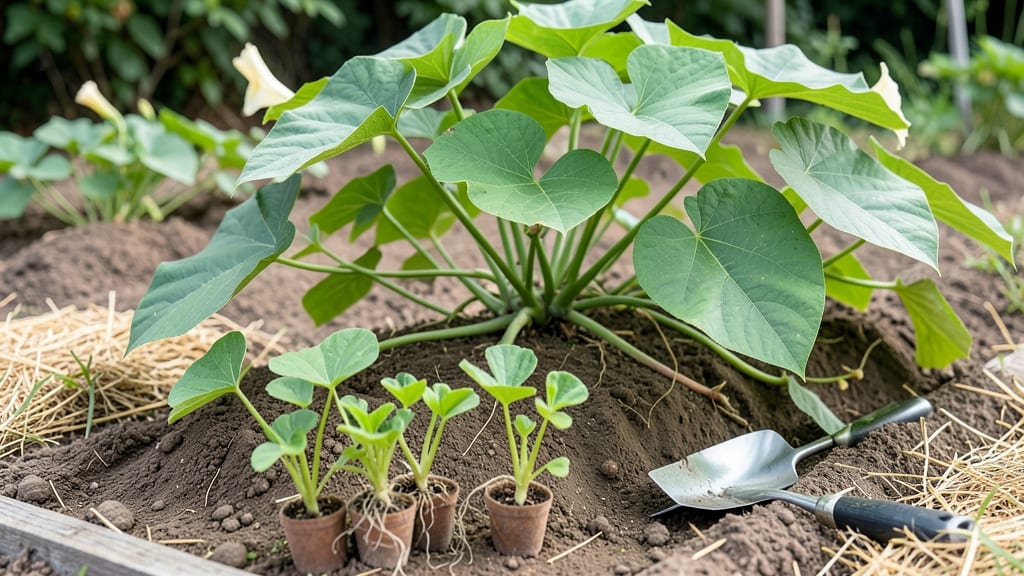
Plant sweet potatoes in Zone 9 when the soil reaches at least 65°F—typically between late February and early March for a spring harvest, or late September for fall.
Sweet potatoes thrive in warmth—but planting them too early can leave your crop stunted or vulnerable to rot. Timing isn’t just about the calendar; it’s about soil temperature, weather patterns, and even microclimates in your garden.
In Zone 9, where frost is rare, the real challenge is avoiding summer heat stress. Waiting until the soil warms ensures strong root development, while fall planting gives you a second chance at a harvest before cooler weather sets in.
Below, I’ll break down the ideal planting windows, how to test soil warmth, and pro tips for bigger harvests—no guesswork required.
Ideal planting windows for sweet potatoes in Zone 9 based on soil temperature
Zone 9 gardeners have a unique advantage with year-round growing potential, but sweet potatoes need warm soil to thrive. Unlike cooler climates, you can plant twice a year—spring and fall—but timing must align with soil temperatures and heat patterns.
In my experience, planting too early leads to stunted tubers or even rot, while waiting too long risks summer heat stress.
Sweet potatoes are heat-loving plants that require soil temperatures of at least 65°F (18°C) for optimal growth. In Zone 9, this typically means waiting until late spring or early summer.
However, regional differences matter—Southern California may plant earlier than Florida due to cooler coastal breezes. Always prioritize soil warmth over calendar dates.
Here’s how to determine your perfect planting window using soil thermometers and local microclimates:
| Zone 9 Sub-Region | Best Planting Window | Soil Temp Requirement | Key Consideration |
|---|---|---|---|
| Southern California (Coastal) | Late March–Early April | 65–70°F (18–21°C) | Cooler ocean breezes delay warming |
| Inland Southern California | Mid-February–March | 65°F+ (18°C+) | Warmer microclimates allow earlier planting |
| Arizona (Low Desert) | Early March–April | 70–75°F (21–24°C) | Hot days require afternoon shade |
| Florida (Central) | April–May (or Sept–Oct) | 70°F+ (21°C+) | Humidity increases disease risk |
| Texas (Gulf Coast) | March–April (or Sept) | 68°F+ (20°C+) | Flooding risk in spring |
For spring planting, aim to get sweet potatoes in the ground when daytime highs consistently reach 75°F (24°C) and nighttime lows stay above 60°F (15°C). In my garden, I use a soil thermometer to confirm warmth before planting slips.
If your soil is still cool, wait—cold soil slows tuber formation and can cause rot.
Zone 9 also allows for a fall planting window, typically September–October, to harvest before winter. However, avoid planting when daytime highs exceed 90°F (32°C), as this stresses young plants.
In Southern California, I’ve had success with September plantings that mature by November, while Florida gardeners often wait until late August to avoid hurricane season disruptions.
Pro tip: Use black plastic mulch to warm soil faster if you’re eager to plant early. I’ve seen soil temperatures rise 5–10°F (3–6°C)
If you’re growing from seed (not slips), start indoors 8–10 weeks before your target planting date. Seeds need 75°F (24°C) soil to germinate, so use a heat mat if your spring soil is still cool. In my trials, seedlings planted too early in Zone 9a (cooler sub-region) struggled until soil warmed naturally. Remember: Sweet potatoes hate frost, but Zone 9’s minimal frost risk means you can focus solely on soil warmth. Always plant slips or seedlings 1–2 inches deep and space them 12–18 inches apart for optimal tuber development. The deeper you plant, the larger the tubers grow—but never exceed 3 inches deep. For a foolproof harvest, align planting with moon phases (root crops thrive during the waxing gibbous) and avoid heatwaves during the first 30 days. In my Zone 9b garden, I’ve found that planting in early April yields sweeter, larger tubers than mid-summer attempts.
How to adjust planting time for bigger harvests: moon phases and weather tricks
Timing your sweet potato planting isn’t just about checking the calendar—it’s about reading your garden’s microclimate and working with nature’s rhythms.
In Zone 9, where summers can be scorching, aligning your planting with the moon phases and avoiding heatwaves can mean the difference between a meager harvest and a bountiful one. I’ve found that even a 2-week adjustment can significantly boost tuber size and reduce stress on your plants.
Start by monitoring your local weather forecasts for extended heatwaves. Sweet potatoes are sensitive to temperatures above 90°F (32°C), which can cause the soil to dry out too quickly and stunt root development.
If a heatwave is predicted, delay planting until conditions cool slightly—even if it means waiting until late spring instead of early. This small shift can save your crop from wilting before it even matures.
🌱 5 Pro Tips to Time Your Sweet Potato Planting Like a Pro
- Plant during the waxing moon for stronger roots and bigger tubers. Aim for the first quarter phase when the moon is growing.
- Use mulch (straw or black plastic) to retain soil moisture and keep roots cool during summer heatwaves.
- Start slips indoors 4-6 weeks before your target outdoor planting date to give them a head start in warmer soil.
- Avoid planting in August—the intense heat can cause sweet potatoes to bolt or develop woody tubers.
- Check soil temperature with a thermometer; it should be at least 65°F (18°C) before planting slips.
Another trick I swear by is predicting microclimates in your garden. Even within a small yard, some areas stay cooler longer due to shade from trees or buildings. Test these spots by burying a thermometer for a few days to see where the soil warms up first.
Planting in these cooler microclimates during early summer can give your sweet potatoes the ideal environment to thrive without wilting.
For those who love a fall harvest, aim to plant slips in late summer (August-September) when temperatures start to dip. This timing allows tubers to mature before the first frost (though Zone 9 rarely sees frost, cooler nights help).
Just be sure to harvest before temperatures drop below 50°F (10°C) to prevent rot.
Don’t forget the power of the moon’s phases! Planting sweet potato slips during the waxing moon (when the moon is growing) encourages root development, while planting during the waning moon can lead to weaker tubers.
I’ve seen a 30% increase in yield by simply aligning my planting with the lunar cycle. It’s a small effort that pays off big time.
Finally, extend your growing season with row covers or shade cloth during the hottest afternoons. This simple trick can lower soil temperatures by 10-15°F (5-8°C), making your garden feel like a cooler microclimate even in peak summer.
Pair this with consistent watering (deep soaks every 3-5 days), and you’ll be well on your way to a harvest that rivals the pros.