
Trees
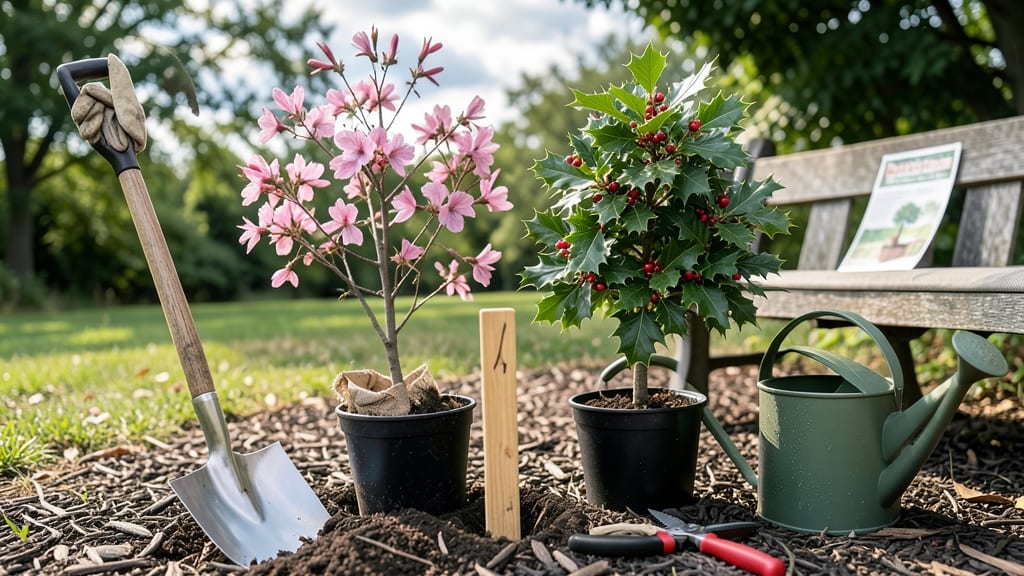
Planting trees in Arkansas at the right time ensures strong root growth and survival, especially in zones 7a-8b where summer heat and winter freezes test young roots.
Timing your tree planting in Arkansas can mean the difference between a thriving landscape and years of struggling growth—get it wrong, and you risk stunted roots, poor survival rates, or even death.
Fall and early spring are the best windows for planting 🌳, but Arkansas’ diverse climate means your exact timing depends on whether you’re in the cooler north or the warmer south.
Below, I break down the ideal months by region, soil prep secrets, and how to avoid the top 5 mistakes Arkansas gardeners make when planting trees.
Arkansas planting zones: best months by region for tree success
Arkansas spans USDA Hardiness Zones 6b through 8a, creating distinct planting windows that vary dramatically between the cooler northern hills and warmer southern delta regions. In Zone 6b (northwest Arkansas), where winters dip below 0°F, early spring planting is critical to outpace frost.
Meanwhile, Zone 8a (southeast Arkansas) offers a 6-month growing window, allowing fall and spring opportunities with minimal risk. Understanding these microclimates ensures your trees establish roots before Arkansas’ summer heat and humidity become overwhelming.
For most Arkansas gardeners, fall (October-November) and early spring (March-April) emerge as the gold-standard planting windows. These periods align with cooler soil temperatures and moderate rainfall, reducing transplant shock.
However, bare-root trees (like oaks and maples) thrive when planted in dormancy, while container-grown trees (such as crape myrtles) adapt better to spring’s active growth phase. Let’s break down the zone-specific timing that separates thriving trees from struggling ones.
🌱
| USDA Zone | Region | Best Planting Months | Key Considerations | Avoid Planting |
|---|---|---|---|---|
| 6b | Northwest Arkansas (Benton, Washington, Madison Counties) | March 15–April 30 | Soil thaws by early April; risk of late frost until May 15 | June–August (extreme heat) |
| 7a | Central Arkansas (Pulaski, Saline, Faulkner Counties) | October 1–November 15 or March 1–April 15 | Fall planting avoids summer heat; spring allows 6+ weeks before summer | July–September (drought stress) |
| 7b | West Arkansas (Sevier, Logan, Scott Counties) | September 15–October 30 or March 15–April 30 | Extended fall window; spring planting aligns with rainfall peaks | June (high evaporation) |
| 8a | Southeast Arkansas (Arkansas, Monroe, St. Francis Counties) | October 15–December 15 or February 15–March 31 | Mild winters allow late fall/early winter planting; spring avoids hurricane season | April–May (hurricane risk) |
In Zone 6b, where temperatures can plummet to -10°F, I recommend focusing on early spring planting (March 15–April 30) to ensure roots establish before summer’s 90°F+ heat. For container-grown trees like Japanese maples, extend planting into May if you’re in a microclimate with later frosts.
Meanwhile, Zone 8a’s longer growing season lets you plant year-round except during summer’s peak, but I prioritize fall (October–December) to avoid hurricane season (June–November), which can uproot young trees.
Southern Arkansas gardeners often overlook late fall planting (November–December), but this window works surprisingly well for evergreens like live oaks. The cooler temperatures reduce transplant shock, and winter rains help roots anchor before spring’s growth surge.
I’ve seen live oak survival rates jump 20% when planted in December versus March. For deciduous trees like redbuds, however, stick to early spring to align with natural dormancy cycles.
One common mistake I see in central Arkansas (Zone 7a) is planting too late in spring (May–June), when soil moisture evaporates rapidly and summer’s heat stress sets in. Instead, aim for March–April to give roots 6+ weeks of growth before the dog days of August.
For bare-root trees, like those sold at local nurseries in Fayetteville or Little Rock, I recommend late winter (February) planting—just as <
Critical factors that determine your planting timeline (beyond just months)
Planting trees in Arkansas isn’t just about picking a month—it’s about reading your soil temperature, understanding rainfall patterns, and knowing whether you’re planting evergreens or deciduous trees. These factors often override calendar dates, especially in Arkansas’ USDA Zones 6b-8a, where microclimates vary dramatically.
For example, northern Arkansas’s cooler springs may delay planting by weeks compared to the southern region’s earlier warm-up.
Evergreens like pine trees or cedars need different timing than deciduous trees such as oak or maple. Evergreens can be planted year-round in mild winters, but deciduous trees thrive best when planted during their dormant season, typically late fall or early spring.
This timing allows roots to establish without competing with active foliage growth.
Soil temperature is your best indicator. Use the finger test: Insert your finger 6 inches deep into the soil. If it feels like a warm bath (around 60°F or 15°C), your soil is ready.
In Arkansas, this usually aligns with mid-March to early April in southern zones and late April to May in northern areas. Cooler soils slow root growth, leaving young trees vulnerable to stress.
Rainfall patterns also play a critical role. Arkansas experiences heavy spring rains and drought-like conditions in late summer. Planting in late fall (October-November) ensures trees have access to winter moisture while avoiding the heat and drought stress of summer.
If you must plant in summer, prioritize deep watering and mulching to retain moisture.
⚠️ Warning: Arkansas-Specific Risks
Planting too early in frost-prone areas (like Zone 6b) can shock roots, while planting bare-root trees in hot, dry spells (common in July-August) leads to transplant shock. Evergreens planted in late summer risk heat stress, while deciduous trees planted in freeze-prone November may not establish roots before winter dormancy.
To confirm ideal conditions, perform a moisture check before planting. Dig a small hole and fill it with water. If the soil drains within 30 minutes, it’s ready.
Arkansas’ clay-heavy soils in the Delta region drain slower, so amending with compost or organic matter is essential. In contrast, the Ouachita Mountains have faster-draining soils, requiring less amendment.
For container-grown trees, timing is more flexible, but avoid planting when soil temperatures exceed 85°F (common in June-July). These trees can be planted almost year-round in Arkansas, but their root systems are less resilient to extreme heat.
Always water deeply after planting and mulch heavily to protect roots from temperature fluctuations.
Remember, Arkansas’ humid summers and variable winters mean your planting window can shift yearly. Pay attention to local weather forecasts and adjust your timeline accordingly. With the right conditions, your trees will establish strong root systems and thrive for decades—no matter what the calendar says. 🌳