
Plants
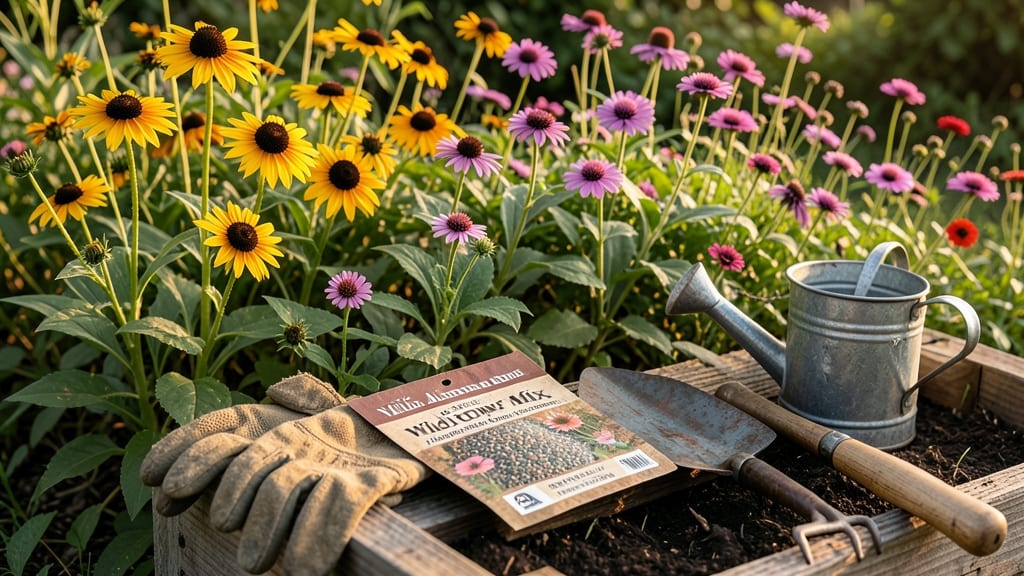
Planting wildflower seeds in Alabama at the right time ensures vibrant blooms from spring to fall 🌼 — aim for late winter to early spring or fall, when frost risks are lowest.
Alabama’s warm climate and diverse ecosystems make it a paradise for wildflowers—but timing your planting just right can mean the difference between a thriving meadow and a patchy disappointment. Miss the window, and you risk frost damage or weak germination.
In USDA Zones 7b and 8a, the ideal planting windows are September through October for fall blooms or February to March for spring color. These months align with Alabama’s frost-free periods, giving seeds the best chance to establish strong roots before extreme temperatures arrive.
Below, I’ll break down the exact months to plant, how to adjust for Alabama’s microclimates, and the critical prep steps to guarantee a stunning wildflower display year after year.
Best months to plant wildflower seeds in Alabama’s frost-free zones
Alabama’s USDA Zones 7b and 8a offer a long, frost-free growing season—perfect for wildflowers—but timing matters. The ideal planting windows align with soil temperatures and rainfall patterns to ensure strong germination.
For most wildflowers, fall planting (September–October) is my top recommendation, but spring (February–March) works too. Let’s break down the best months for annual vs. perennial varieties and regional adjustments.
Coastal areas like Mobile or Gulf Shores have milder winters, while inland cities like Birmingham or Huntsville experience slightly cooler temperatures. This means your last frost date (typically mid-March) and first frost date (around mid-November) may shift by 1–2 weeks.
Always check your local Alabama Extension office for precise frost data before planting.
Here’s the summary-table for Alabama’s wildflower planting timeline, including ideal months, soil prep tips, and regional adjustments:
| Planting Window | Best For | Soil Temp | Rainfall Needs | Regional Note |
|---|---|---|---|---|
| Late August–Early September | Annual Wildflowers (e.g., Cosmos, Zinnias) | 65–75°F | Moderate (1–2" weekly) | Coastal areas benefit from humidity |
| September–October | Perennials (e.g., Coneflowers, Black-Eyed Susans) | 55–65°F | Light (0.5–1" weekly) | Best for inland zones (Birmingham, Huntsville) |
| February–March | Spring-Blooming Annuals (e.g., Snapdragons, Sweet Alyssum) | 50–60°F | Moderate (1–1.5" weekly) | Wait until after last frost |
| November (Early) | Hardy Perennials (e.g., Blanket Flower, Gaillardia) | 45–55°F | Light (0.5" weekly) | Avoid late November (frost risk) |
Fall planting (September–October) is my favorite strategy for Alabama wildflowers because cooler temperatures reduce seedling stress, and established roots handle winter better. For annual wildflowers, like cosmos or zinnias, I plant in late August to take advantage of summer rains and enjoy blooms by October. These varieties thrive with minimal care and self-seed easily for next year.
If you’re growing perennial wildflowers, such as coneflowers (Echinacea) or black-eyed Susans (Rudbeckia), fall planting gives them time to develop deep roots before Alabama’s hot summers. These plants often skip flowering the first year but reward you with vibrant blooms for years afterward.
I’ve seen coneflowers in my Huntsville garden bloom from June through September after a fall planting.
For spring planting (February–March), time it after your last frost date. In Zone 8a (southern Alabama), this is usually mid-February, while Zone 7b (northern Alabama) may wait until early March.
Choose fast-growing annuals like marigolds or sunflowers for quick color. Avoid planting delicate perennials in spring—they struggle with Alabama’s intense summer heat if not established.
One common mistake I see is planting too late in fall (after November 15). Late-planted seeds may germinate but not root deeply before frost hits. If you miss the fall window, spring planting is your next best option—but expect slower establishment and potential pest pressure from Alabama’s sum
How to adjust planting for Alabama’s microclimates and wildflower types
Alabama’s diverse geography means your wildflower planting strategy should vary dramatically depending on whether you’re in Mobile’s coastal humidity, Birmingham’s Piedmont heat, or Huntsville’s mountain transitions. Each region has unique frost patterns, soil types, and rainfall that can make or break your wildflower dreams.
For example, Black-Eyed Susans (Rudbeckia hirta) thrive in Huntsville’s cooler nights but may struggle in Mobile’s muggy summers without proper adjustments.
Native wildflowers like Coreopsis and Coneflowers (Echinacea) are adaptable, but their success hinges on matching planting times to your local microclimate. In Zone 7b (northern AL), aim for late August to early October to avoid early frosts, while Zone 8a (southern AL) gardeners can extend planting until mid-November.
Shade-tolerant varieties like Virginia Bluebells (Mertensia virginica) need even more precise timing in wooded areas.
Here’s how to fine-tune your approach based on Alabama’s three key regions:
-
1. Coastal Alabama (Mobile)
Plant September 15–October 15 to avoid hurricane season and high humidity that causes fungal rot. Choose salt-tolerant varieties like Beach Sunflower (Helianthus debilis) and partially shaded areas to prevent seed washout.
-
2. Piedmont (Birmingham)
Sow August 1–September 15 to capitalize on long, hot summers and well-draining soils. Prioritize drought-resistant wildflowers like Purple Coneflower (Echinacea purpurea) and blanket the soil with mulch to retain moisture.
-
3. Mountain Transitions (Huntsville)
Plant July 15–September 1 to escape earlier frosts (avg. Nov 10) and cooler nights. Opt for shade-tolerant species like Wild Columbine (Aquilegia canadensis) and test soil pH—mountain soils often lean acidic.
-
4. Shade Adjustments
For woodland gardens, plant Virginia Bluebells or Bloodroot (Sanguinaria canadensis) in early spring (March) when light filters through canopy. Avoid summer planting—competition from trees will smother seedlings.
Don’t overlook seed stratification for native species like Coreopsis, which often need 60 days of cold moisture to germinate. In warmer zones (8a), mimic this by chilling seeds in a damp paper towel for 2 weeks before planting.
For shade gardens, pair wildflowers with ferns or hostas to create layered habitats that attract pollinators year-round.
Pro tip: Use native wildflower mixes tailored to your region—these blends already account for local microclimates. For example, Alabama’s Coastal Plain mixes include Partridge Pea (Chamaecrista fasciculata), while Appalachian blends feature Mountain Mint (Pycnanthemum).
Always water deeply after planting but reduce frequency once established—most Alabama wildflowers are drought-tolerant once rooted.
With these regional tweaks, you’ll transform your Alabama garden into a year-round wildflower oasis, from spring’s Virginia Bluebells to fall’s Goldenrod (Solidago). Start small—even a 5x5-foot patch of Coneflowers will feed bees for months. Happy planting! 🌼