
Plants
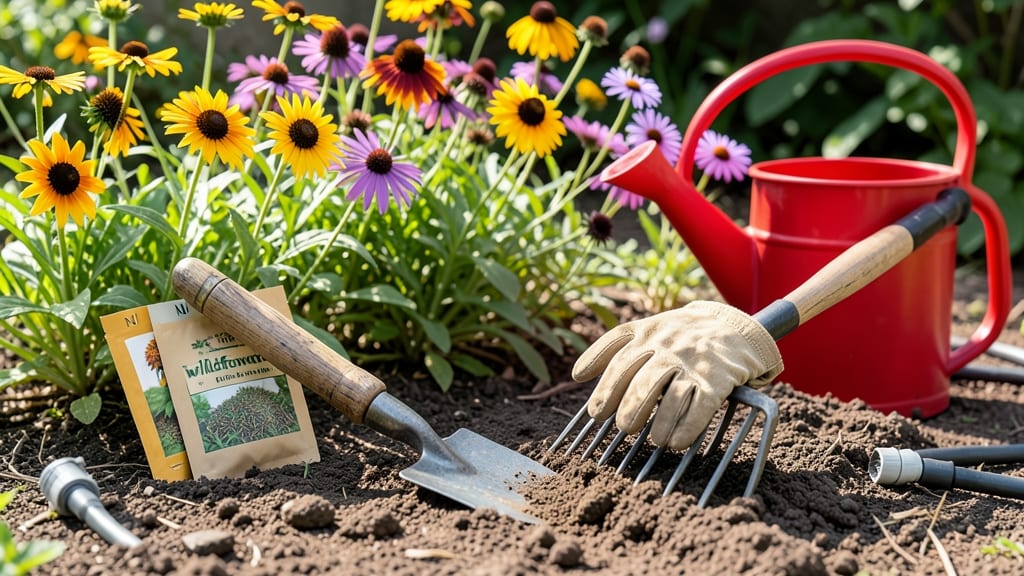
Planting wildflower seeds in NJ at the right time is the difference between a vibrant meadow and a patch of dirt—spring and fall offer the best windows, but timing matters more than you’d think.
New Jersey’s unpredictable climate can make or break your wildflower garden—planting at the wrong time means sparse blooms or wasted seeds. Whether you’re in the coastal zone or inland, knowing when to scatter those seeds is the key to success.
Most gardeners in NJ zones 6a-7b swear by early spring (March-April) or late fall (September-October) for the best germination. But why? It’s all about avoiding frost, soil temperatures, and giving those tiny seeds the ideal conditions to sprout.
In this guide, I’ll walk you through the exact planting windows, soil prep tips, and common mistakes to avoid—so you can enjoy a burst of color from April to October without the guesswork.
Best NJ wildflower planting times: spring vs fall germination guide
Timing is everything when planting wildflower seeds in NJ, where USDA zones 6a-7b create unique challenges. Spring and fall offer the best windows, but each has distinct advantages for native species like black-eyed Susans and milkweed.
I’ll break down the ideal planting months, soil temperatures, and how NJ’s coastal vs inland microclimates affect your success.
For spring planting, aim for late March to mid-April—just after the last frost date (typically mid-April in most of NJ).
This gives seeds time to germinate before summer heat arrives. Fall planting, however, offers a 6-8 week window from September to early October, allowing seeds to establish roots before winter. Both methods work, but your location matters.
Here’s the key difference: Coastal NJ (like Cape May) has milder winters, so fall planting can extend into early November. Meanwhile, inland areas (like Sussex County) should plant by mid-October to avoid early frosts. Soil temperatures below 40°F slow germination, so always check before planting.
Native wildflowers like coneflowers and milkweed thrive with spring planting because they need consistent moisture to sprout. Fall-planted seeds, however, benefit from natural winter chilling, which breaks dormancy for species like black-eyed Susans. My rule? Spring for speed, fall for resilience.
| Factor | Spring Planting (March-April) | Fall Planting (September-October) |
|---|---|---|
| Best For | Fast germination, summer blooms | Root establishment, winter hardiness |
| Soil Temp | 50-60°F (ideal for sprouting) | 40-50°F (avoid below 40°F) |
| Coastal NJ | Plant by April 15 | Extend to Nov 1 |
| Inland NJ | Plant by April 1 | Plant by Oct 15 |
| Watering Needs | Weekly, deep watering | Light watering until frost |
| Top Species | Coneflowers, Bee Balm | Milkweed, Black-eyed Susan |
Spring planting requires consistent moisture—think of it as a race against summer drought. I recommend mulching lightly to retain soil moisture while keeping seeds from overheating. Fall planting, on the other hand, relies on natural rainfall and cooler temps to prevent seed desiccation.
Both methods need well-prepared soil, but spring demands more vigilance.
If you’re unsure which to choose, consider your garden’s maturity. New wildflower meadows benefit from fall planting—it gives roots time to establish before the first year’s heat. Established gardens, however, can handle spring top-dressing with fresh seeds for continuous blooms.
I’ve seen both methods work, but fall often yields stronger second-year growth.
Pro tip: Stratify seeds if planting in fall—simulate winter conditions by mixing seeds with damp sand and refrigerating for 2-4 weeks. This mimics natural dormancy cycles and boosts germination rates for tricky species like wild bergamot.
For spring, simply scatter seeds thinly on bare soil and press lightly—they need light to germinate, so don’t bury them.
One common mistake? Planting too early in spring when soils are still cold or too late in fall when frosts loom. Use a soil thermometer—aim for at least 50°F for spring and no lower than 40°F in fall.
Coastal areas like Atlantic City can push boundaries, but inland Bergen County needs stricter timing. Always check your local frost dates for precision.
For maximum diversity, I suggest planting half in spring and half in fall. This staggered approach ensures blooms from early summer to late fall, supporting pollinators year-round. My go-to mix includes 50% coneflowers (spring), 30% milkweed (fall), and 20% black-eyed Susans (both
How to prepare NJ soil for wildflower seed germination
New Jersey’s clay-heavy soils and unpredictable weather can challenge wildflower germination, but proper prep ensures vibrant blooms. Start by testing your soil’s pH level—wildflowers thrive in a neutral range of 6.0–7.0.
Use a simple test kit or send a sample to your local cooperative extension office for accurate results.
If your soil is too acidic (below 6.0), amend it with lime (calcium carbonate). For alkaline soil (above 7.0), mix in sulfur or peat moss.
Work these amendments into the top 6 inches of soil at least 4–6 weeks before planting to allow them to integrate fully.
Next, tackle compaction—common in NJ’s clay soils—which restricts root growth. Rent a rototiller or use a broadfork to loosen the top 4–6 inches of soil.
Avoid tilling when the ground is saturated or frozen, as this worsens compaction. For small areas, a sturdy garden fork works just as well.
NJ Soil Prep Checklist for Wildflower Seeds
- Test pH and amend to 6.0–7.0 range using lime or sulfur.
- Remove weeds and debris—aim for a clean, bare surface.
- Loosen soil to 4–6 inches deep with a rototiller or broadfork.
- Choose native seeds like black-eyed Susans or coneflowers for NJ’s climate.
- Rake lightly to create a fine, crumbly texture for seed contact.
- Water deeply until soil is moist but not soggy (1–2 inches deep).
Weeds compete with wildflower seeds for water, nutrients, and sunlight. Pull existing weeds by hand or use a pre-emergent herbicide labeled for wildflower areas. Avoid chemical herbicides after planting, as they can harm seedlings.
For stubborn weeds like crabgrass, apply a vinegar-based spray in early spring before seeds germinate.
Select native wildflower seed mixes adapted to NJ’s USDA Zones 6a–7b. Look for blends featuring milkweed, goldenrod, and butterfly weed, which support local pollinators. Avoid non-native species like annual ryegrass, which can crowd out native plants.
Purchase seeds from reputable suppliers like American Meadows or Wildseed Farm for guaranteed viability.
After prepping your soil, scatter seeds thinly—aim for 1/8 teaspoon per square foot. Lightly press them into the soil with a lawn roller or your hand to ensure seed-to-soil contact.
Water gently to settle seeds without washing them away. Maintain consistent moisture (like a damp sponge) until germination, which typically occurs in 10–21 days depending on the species.