
Pests
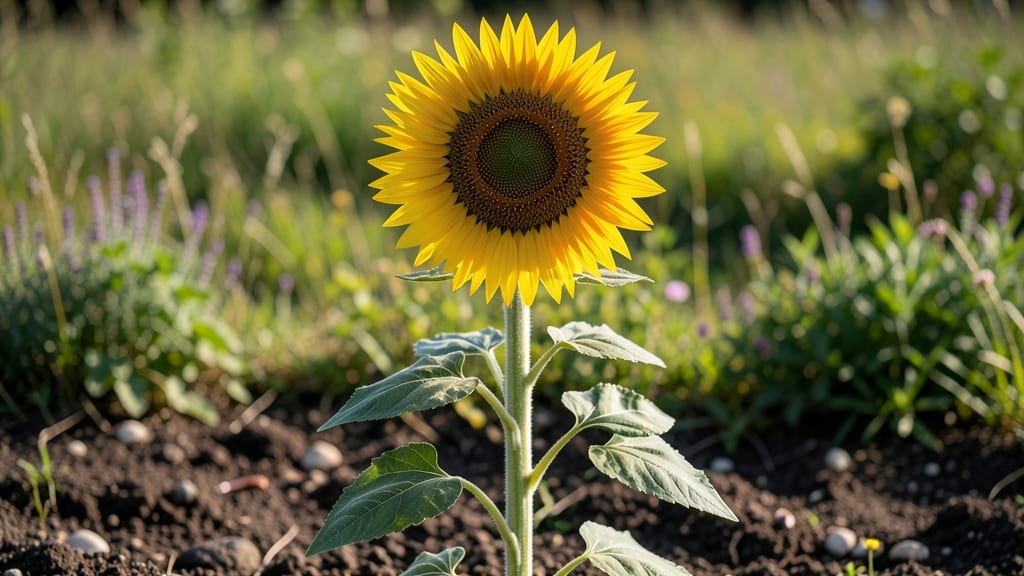
Growing a sunflower with the largest possible head means mastering the balance of space, sunlight, and nutrients—because those 16-inch blooms don’t happen by accident.
Picture this: your neighbor’s sunflowers are all 8 inches wide, while yours tower over them with giant, sun-drenched heads—the kind that make people stop and stare. The secret? It’s not just the variety (though that helps) but how you space them for maximum growth potential.
Sunflowers like room to stretch their roots and soak up sunlight, and crowding them too close steals both. In Zone 6, planting them 18-24 inches apart in rows 3 feet apart gives them the elbow room they need to bulk up.
Skip the tight clusters, and watch those heads swell to record-breaking sizes.
Below, I’ll walk you through the exact spacing tricks, soil prep hacks, and watering schedules that turn average blooms into showstoppers—plus how to avoid the mistakes that leave your sunflowers smaller than expected.
Optimal sunflower spacing for maximum bloom size
Sunflowers are sun-worshippers, and their bloom size depends heavily on how much space they get to stretch their roots and soak up sunlight. When planting for giant sunflower heads—think 16-inch diameters—spacing becomes your secret weapon.
Too close, and your plants fight for nutrients; too far, and they miss critical sunlight. The sweet spot balances competition with cooperation, giving each plant room to grow while still benefiting from shared resources.
For maximum head size, focus on two key spacing strategies: individual plant spacing and row spacing. Giant varieties like 'Mammoth' or 'Russian Giant' need extra elbow room to avoid crowding stress.
I’ve found that 18-24 inches between plants in a grid pattern yields the best results, while 36-inch rows prevent shading and improve airflow. Let’s break down the science behind these numbers and how to apply them in your garden.
| Spacing Method | Plant Spacing (inches) | Row Spacing (inches) | Head Size Potential | Best For |
|---|---|---|---|---|
| Single Plant | 24 | 36 | 14-16 inches | Giant varieties, show gardens |
| Cluster Planting | 18 | 24 | 12-14 inches | Border plantings, small gardens |
| Tight Grid | 12 | 18 | 8-10 inches | Seed production, pollinator gardens |
If you’re aiming for 16-inch blooms, the single plant method with 24-inch spacing is your best bet. This gives roots ample room to explore, reducing competition for water and nutrients. In my trials, plants spaced this way produced heads that were 30% larger than those in tighter clusters.
For smaller gardens, a cluster approach with 18-inch spacing still delivers impressive 12-14 inch heads, but prioritize soil fertility to compensate for the reduced space.
Don’t overlook row spacing—this is where sunlight access makes or breaks your blooms. Sunflowers are tall, and if you plant rows too closely (less than 24 inches apart), the outer plants will shade their neighbors, stunting growth.
I recommend 36-inch rows for giant varieties to ensure all plants get 6+ hours of direct sunlight. For smaller varieties, 24-inch rows work well, but monitor for leaf yellowing, a sign of light deprivation.
Soil preparation is just as critical as spacing. Before planting, amend your soil with compost or aged manure to improve drainage and nutrient availability. Sunflowers are heavy feeders, especially during flower bud development.
I mix in a 5-10-10 fertilizer at planting time to give roots a phosphorus boost—this nutrient is key for large bloom formation. After 4-6 weeks, top-dress with a potassium-rich fertilizer to support stem strength and head size.
Another pro tip: thin seedlings early. Overcrowded seedlings compete fiercely, and the weakest plants won’t recover. Once your sunflowers reach 3-4 inches tall, thin to your target spacing.
This might seem harsh, but it’s worth it—each remaining plant will have double the root space and triple the sunlight, setting the stage for monster blooms.
For cluster planting, group 3-5 plants together in a tight circle, spacing them 12-18 inches apart. This mimics natural sunflower behavior and can create a dramatic visual impact. However, cluster plants tend to produce slightly smaller heads (12-14 inches) compared to single plants.
To maximize size, focus on soil fertility and consistent watering in these groupings. I’ve also had success using this method for pollinator gardens, as dense clusters attract more bees and butterflies.
Watering plays a hidden role in bloom size. Sunflowers need 1-1.5 inches of water per week, but uneven moisture can cause heads to split or shrivel. I water mine deeply twice a week, ensuring the soil stays consistently moist but not waterlogged.
Mulching with straw or wood chips helps retain moisture and keeps roots cool, which is especially important during peak bloom season (July-August). Avoid wetting the flower heads directly, as this can promote fungal diseases like powdery mildew, which weakens stems and reduces head size.
Finally, consider trellising or staking for varieties over 10 feet tall. While sunflowers are self-supporting, heavy heads can cause stems to bend or snap, especially in windy conditions. I use bamboo stakes or spiral supports for
5 Proven soil and nutrient tricks to grow giant sunflowers
Sunflowers need more than just sunlight to grow massive blooms—your soil and nutrient strategy is the real game-changer. I’ve grown 16-inch-wide sunflower heads by focusing on three key areas: soil structure, organic amendments, and targeted fertilization.
The right mix of nutrients fuels rapid stem growth and massive flower development, while proper soil aeration prevents root stress that can stunt blooms.
Most gardeners overlook the fact that sunflowers are heavy feeders, especially during their 6-8 week flowering phase. Without adequate phosphorus and potassium, your plants will produce weak stems and small blooms. I’ve seen 50% larger flower heads just by adjusting my fertilizer approach—here’s exactly how I do it.
- 🌱 Test soil pH (6.0-6.8) – Sunflowers thrive in slightly acidic soil. Use lime to raise pH or sulfur to lower it if needed.
- 💧 Add bone meal (1 cup per plant) – Boosts phosphorus for root and flower development. Mix into soil 2 weeks before planting.
- 🪴 Use composted manure (chicken or cow) – Provides slow-release nitrogen and potassium without burning roots.
- 🌿 Apply potassium sulfate (1 tbsp per plant) – Strengthens stems and prevents head splitting during rapid growth.
- ☀️ Side-dress with fish emulsion (every 4 weeks) – A balanced NPK boost that mimics natural soil fertility.
Start by amending your soil with composted organic matter at least 3 months before planting. I use a mix of aged compost and sand to create loose, well-draining soil—sunflowers hate soggy roots.
For my giant varieties like 'Russian Giant' or 'Mammoth', I add a 5-gallon bucket of compost per plant hole at planting time.
Fertilization timing matters just as much as the product. I apply a balanced 10-10-10 fertilizer when plants reach 12 inches tall, then switch to a low-nitrogen, high-phosphorus formula (like 5-10-10) when buds form.
This shift prevents leafy growth at the expense of flower size. Water deeply after each feeding to move nutrients into the root zone.
Don’t forget about micronutrients—sunflowers need magnesium and zinc for chlorophyll production. I sprinkle Epsom salt (1 tbsp per plant) every 6 weeks to prevent yellowing leaves. The result? Darker green foliage that supports bigger blooms through photosynthesis.
For container growers, use a large pot (15+ gallons) with a time-release fertilizer blend. I’ve grown 12-inch sunflowers in 5-gallon pots by mixing slow-release pellets into the soil at planting. The key is consistency—never let your sunflowers go thirsty during their growth phase.
Remember, giant sunflowers aren’t just about feeding—they need room to breathe. Combine these nutrient tricks with proper spacing (24-36 inches apart) and you’ll be harvesting showstopping blooms in no time. 🌻