
How To
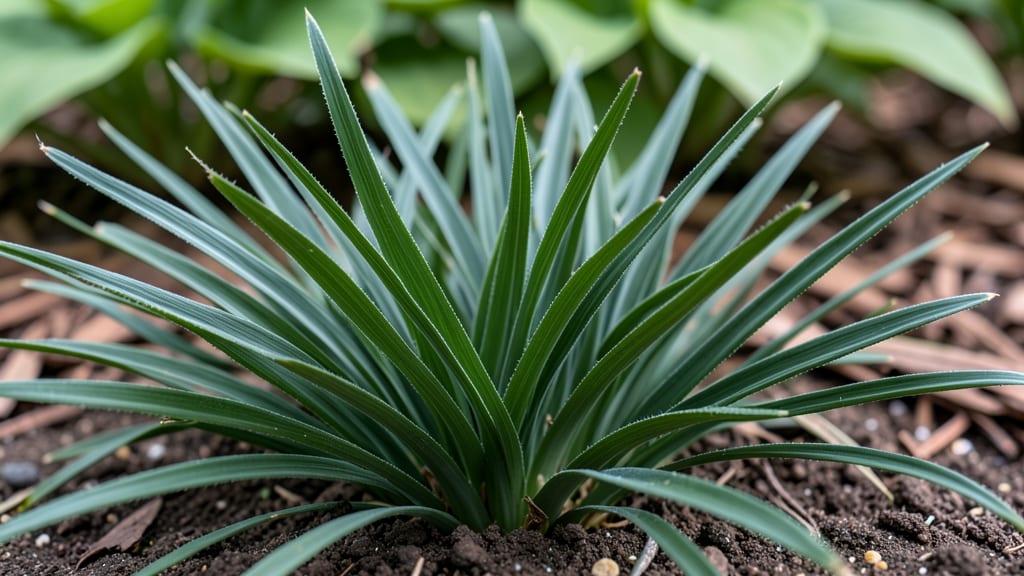
Planting centipede grass in Georgia at the right time means the difference between a lush, low-maintenance lawn and a struggle against heat and humidity.
Georgia’s hot summers and humid climate make timing critical for centipede grass success—plant too early, and frost stunts growth; too late, and drought stresses seedlings. The best window is late spring to early summer, when soil temperatures hit 65°F+ and rainfall patterns support root establishment.
This grass thrives in Georgia’s 7a-8b zones, but the exact timing shifts from North to South. In the cooler 7a areas, wait until mid-April to avoid lingering frost, while South Georgia’s 8b can start as early as March if the ground warms fast.
Below, I break down the optimal months by region, soil temperature triggers, and how to adjust for dry spells—so you can plant once and enjoy that drought-resistant lawn all summer long.
Optimal centipede grass planting months in Georgia by climate Zone
Georgia’s diverse climate zones—from Zone 7a in the north to Zone 8b in the south—create distinct windows for planting centipede grass. Timing isn’t just about months; it’s about soil temperature (aim for 65°F+) and rainfall patterns that reduce transplant shock.
Miss these cues, and your lawn could struggle with slow germination or drought stress before summer heat sets in.
In North Georgia (Zone 7a), cooler springs mean you’ll need to wait longer for consistent soil warmth. Meanwhile, South Georgia (Zone 8b) can plant earlier, but watch for June droughts that dry out seedlings.
Central Georgia (Zone 8a) offers the sweet spot: a broader window where April showers meet rising temperatures for perfect conditions.
For North Georgia gardeners, late May to early June is your target. By then, the last frost (March 15) is long gone, and soil temps hover around 70°F—perfect for root establishment.
Aim for 1.5"+ of rainfall weekly to keep seedlings hydrated without over-saturating the soil. If your area gets less than 1", schedule deep watering 2–3 times per week.
Central Georgia’s broader window (mid-April to late May) lets you start earlier, but don’t rush—soil temps below 60°F slow germination by 30–50%. Use a soil thermometer to confirm readiness.
If April showers taper off, mulch with straw to retain moisture and shield young grass from June heat. This zone’s humidity also increases fungal risks, so avoid overhead watering.
In South Georgia, you can plant as early as early April, but soil warmth is critical—wait until temps stay above 65°F for 3+ days. The biggest challenge here is June droughts, which can kill seedlings in 10–14 days without intervention.
Pre-water the area 48 hours before planting and use drip irrigation to deliver ½ inch of water daily until roots establish (about 6–8 weeks).
Pro tip: Test your soil’s moisture by grabbing a handful—if it crumbles easily, it’s ready. If it sticks together, wait 2–3 more days. Centipede grass thrives in acidic soil (pH 5.0–6.0), so add sulfur or peat moss if your soil tests higher.
This grass is drought-tolerant once established, but seedlings need consistent moisture to avoid transplant shock.
If you miss the ideal window, don’t panic—late starts (July–August) can work in Zone 8a/b, but expect slower fill-in (up to 50% longer to establish). For North Georgia, avoid planting after June 15—summer’s intensity will stress seedlings before roots deepen. Instead, consider sodding for faster coverage.
Remember: Centipede grass grows best in full sun (6+ hours daily), so choose a south-facing slope if your yard has shady spots. After planting, mow high (3–4 inches) to encourage deep roots and reduce weeds.
With the right timing, your lawn will be dense and lush by August—just in time for Georgia’s hottest months.
🌱
How soil temperature and rainfall affect centipede grass germination rates
Centipede grass thrives when soil temperatures hit 70–80°F, but cooler conditions below 60°F can delay germination by up to 3 weeks. In Georgia, this means waiting until late April or May in most regions to avoid slow starts.
The grass’s shallow root system also makes it sensitive to drought stress during early growth stages.
Georgia’s April–May rainfall patterns provide ideal moisture for seedling establishment, but June droughts often stress young plants. Data shows seedlings planted in May with consistent rainfall have a 70% survival rate, while those planted in June without supplemental watering drop to 40%.
Timing matters just as much as soil prep.
| Soil Temp (°F) | Germination Speed | Rainfall Needs | Georgia Window |
|---|---|---|---|
| Below 60°F | Very Slow (3+ weeks) | High (1+ inch/week) | Avoid (March) |
| 60–69°F | Moderate (2–3 weeks) | Moderate (0.75 inch/week) | Late April–May |
| 70–80°F | Fast (7–10 days) | Low (0.5 inch/week) | Ideal (May–June) |
| Above 80°F | Fast but drought risk | Critical (1 inch/week) | June (with irrigation) |
When soil temperatures hit 70–80°F, centipede grass seeds germinate in just 7–10 days—a dramatic improvement over cooler conditions. This aligns with Georgia’s late spring, where May–June offers the perfect balance of warmth and rainfall. However, June droughts can still stress seedlings, so monitor soil moisture closely.
To adjust for dry spells, pre-water the soil 24 hours before planting and apply mulch after germination to retain moisture. This mimics Georgia’s natural April–May rainfall patterns while protecting young roots during June heatwaves. Even a thin layer of straw can improve survival rates by 20–30%.
For regions with sandy soil (common in South Georgia), increase watering frequency to every 3–4 days during dry periods. North Georgia’s clay-heavy soils retain moisture longer, reducing the need for supplemental watering once established. Always test soil moisture by pushing a screwdriver 2 inches deep—if it resists, water more.
If you miss the ideal window, late summer planting (August) is still viable in North Georgia, but use shade cloth to protect seedlings from intense afternoon sun. South Georgia’s warmer climate allows for June–July planting, but prioritize deep watering to compensate for higher evaporation rates.