
Plants
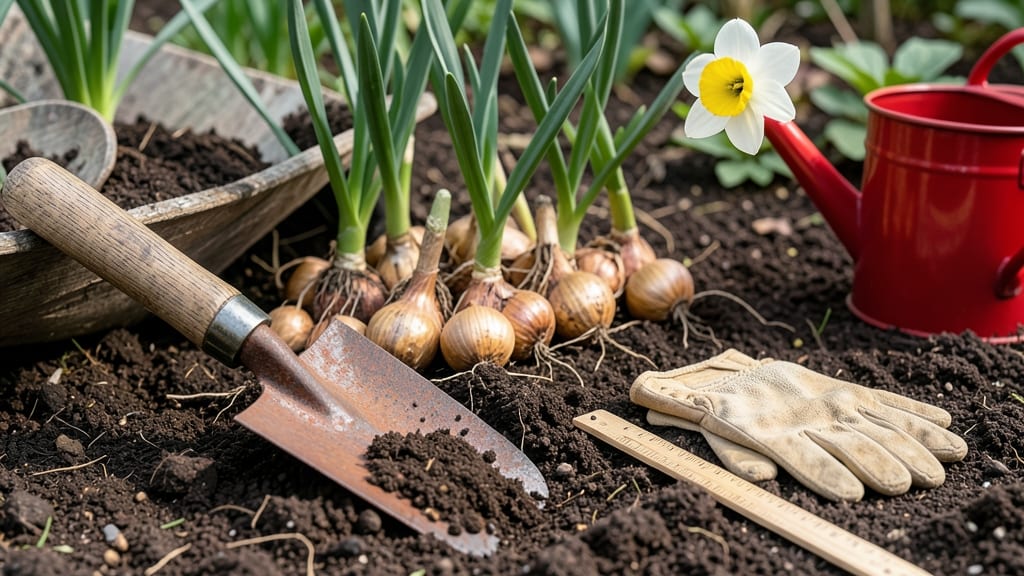
Planting daffodil bulbs in Massachusetts between October and November is the secret to a showstopping spring display 🌼 — and missing that window can leave you with nothing but bare soil.
Massachusetts gardeners know timing is everything—especially when planting daffodil bulbs, where a single week too early or late can mean the difference between a stunning spring display and disappointment. Mastering the ideal fall planting window for Zone 5B-6B ensures your bulbs thrive despite New England’s unpredictable frosts.
Why does this matter? Because daffodils need time to root before the ground freezes, and in Massachusetts, that means getting them in the soil 6-8 weeks before frost. Too early, and they’ll sprout; too late, and they’ll rot in cold, soggy soil.
Below, I’ll walk you through the exact dates for your region, soil prep tips to keep roots happy, and how to adjust if your fall weather throws a curveball. No more guessing—just a foolproof plan for bold, early blooms next spring.
Optimal fall planting window for Massachusetts daffodils (zone 5B-6B)
Daffodils thrive in Massachusetts because their fall planting window aligns perfectly with our cool autumn temperatures and frost-free soil. The ideal time is when soil temperatures drop to 50-60°F (10-15°C), signaling bulbs to root before winter dormancy.
This typically occurs between mid-October and mid-November, but exact timing varies by microclimate and variety.
For Zone 5B-6B, I recommend planting 6-8 weeks before ground freezes. This gives bulbs enough time to establish roots while avoiding spring blooms that could get nipped by late frosts.
In western MA, where winters arrive earlier, aim for early October. Eastern MA’s milder coastal areas can wait until late October or early November.
The 4-6 week planting window is critical because daffodil bulbs need 40-60 days of root growth before soil freezes solid. Planting too early (like September) risks rot from wet soil, while late planting (December+) may leave bulbs vulnerable to freeze-thaw cycles that damage emerging shoots.
Here’s how soil temperature triggers work: When soil hits 50°F (10°C), daffodil roots activate. By 40°F (4°C), growth slows but roots harden. If planted too late, bulbs may not develop enough roots to survive winter’s deep freeze—especially in Zone 5B’s colder pockets like the Berkshires.
Early daffodil varieties like 'Tête-à-Tête' (dwarf) or 'February Gold' should go in first—aim for mid-October in western MA. These early bloomers need maximum root growth to push through snow. Later varieties like 'Thalia' or 'Ice Follies' can wait until November, as their longer bloom cycles accommodate slightly delayed planting.
Microclimates play a huge role. A south-facing slope in the Berkshires may stay warm enough for planting into early November, while a north-facing yard in Worcester might need bulbs in by mid-October.
Always check local frost dates—the USDA Plant Hardiness Map is a great resource, but I recommend adding 2 weeks buffer for safety.
For insurance against unpredictable MA weather, I plant 10% of my bulbs early (late September) and 10% late (December). This staggered approach ensures at least some daffodils bloom reliably, even if one planting window gets disrupted by rain or early frost.
Store extra bulbs in a cool, dark place (like a garage) until you’re ready to plant.
After planting, mulch with 2-3 inches of straw or leaves to insulate bulbs from temperature swings. This is especially critical in Zone 5B, where ground can freeze solid by mid-December. The mulch also suppresses weeds, giving your daffodils a head start in spring.
Remember: Daffodil bulbs planted in fall = spring blooms. By mastering this 4-6 week window, you’ll enjoy vibrant yellow, white, and orange flowers from April through May, long before most other spring bulbs emerge.
The key is soil temperature, not calendar dates—so grab a soil thermometer and plant when conditions are just right! 🌼
How to adjust planting time for Massachusetts’ unpredictable weather patterns
Massachusetts’ weather can throw off even the most experienced gardener. One year, we’re planting in early October, and the next, a warm autumn pushes the window into mid-November. The key is flexibility—using soil thermometers and backup planting dates to protect your daffodils from early frosts or soggy springs.
I’ve learned to treat the 6-week ideal window as a guideline, not a rule.
Start by checking your local frost dates. In most of Massachusetts, the first frost typically arrives around October 20, but this can vary by 5-10 days depending on elevation and microclimates.
Plant your daffodil bulbs 6-8 weeks before the average first frost date. For western MA, that might mean mid-September, while coastal areas can wait until early November.
🌱
⚠️ Warning: Don’t Plant Too Early!
If you plant daffodil bulbs too early (before soil temps drop below 60°F), they may sprout prematurely and get fried by frost. Use a soil thermometer to confirm temps are consistently below 60°F before planting.
In 2023, many gardeners in Zone 6B lost entire beds because they planted in late September—only for a hard freeze in October.
For extra insurance, keep a backup batch of bulbs on hand. If your October planting gets delayed by rain or warm spells, you can always plant in early November—just add 2-3 inches of mulch afterward to protect them.
Daffodils are hardy, but wet soil before freezing can cause rot, so always plant in well-draining locations.
Another trick I swear by? Mulching with straw after planting. A 3-inch layer insulates bulbs from temperature swings and keeps soil moisture even. In 2022, my November-planted bulbs bloomed just as well as my October ones because of this simple step.
Just remember to remove mulch in early spring to prevent soggy soil.
If you’re dealing with a particularly warm autumn, like we saw in 2021, delay planting until late November. The bulbs will still establish roots before winter, and you’ll avoid the risk of premature sprouting.
Always prioritize soil temperature over calendar dates—it’s the real indicator of when your daffodils are ready.
Finally, mark your planting dates and soil conditions in a garden journal. Over time, you’ll spot patterns in your local microclimate. For example, my elevated garden bed freezes 2 weeks earlier than my sunny south slope.
Adjusting for these nuances ensures your daffodils bloom reliably year after year, no matter what Mother Nature throws at us.