
Plants
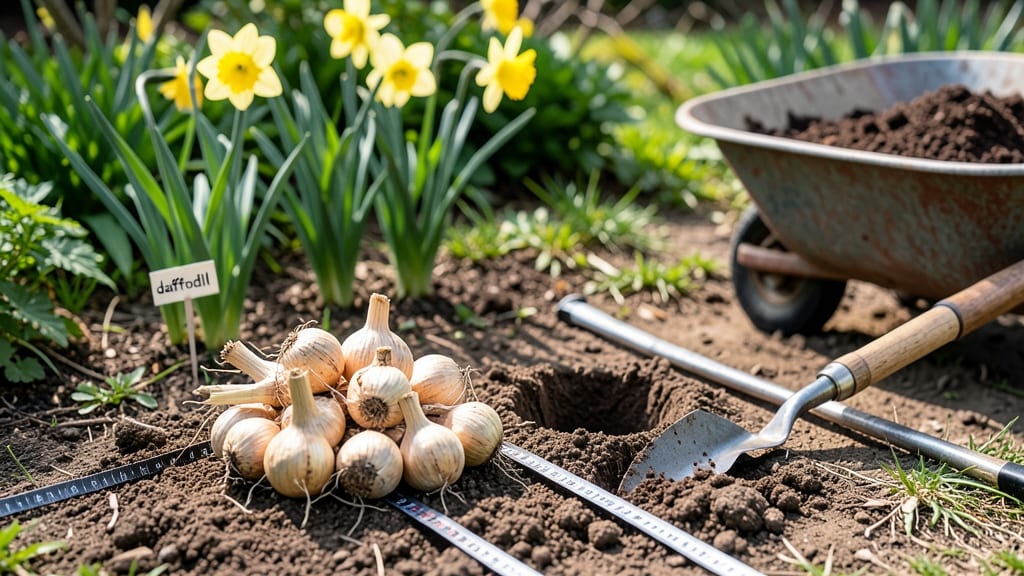
Planting daffodil bulbs in Michigan’s Zone 5B-6A requires precision—get the timing wrong, and you’ll either lose them to early frost or miss next spring’s blooms entirely.
Michigan gardeners know timing is everything—plant daffodil bulbs too early, and they’ll rot in cold soil; too late, and they won’t bloom before winter’s chill. Mastering the frost-resistant schedule for Zone 5B-6A ensures vibrant yellow blooms next spring without guesswork.
Most gardeners aim for October to November, but the exact date depends on your region’s first frost. Southern Michigan can plant as late as early November, while the Upper Peninsula may need to finish by late September.
The key is planting 6-8 weeks before the ground freezes—so check local frost dates and soil temps.
In this guide, I’ll break down the best planting window, how to adjust for Michigan’s unpredictable weather, and the top daffodil varieties that thrive in your zone. No more second-guessing—just reliable blooms next spring.
Optimal planting months for Michigan daffodils (with frost-date rules)
Michigan’s Zone 5B-6A climate demands precision when planting daffodil bulbs. The 6-8 week window before the first hard frost—typically mid-October to early November—is your golden opportunity. Plant too early, and bulbs may rot in cold, wet soil; too late, and they won’t establish roots before winter’s freeze.
Understanding your local frost dates and soil temperature thresholds (ideally 40-50°F) is key to success.
For most of Michigan, this means aiming for late September to mid-October, but regional variations matter. Southern Michigan (like Detroit) often has 2-3 weeks later frost dates than the Upper Peninsula.
Check your last average frost date using the Michigan State University Extension frost map to fine-tune your schedule.
Soil temperature is your best guide, not just calendar dates. Use a soil thermometer to confirm the ground has cooled to 50°F or below at 4-inch depth. This signals it’s safe to plant—daffodils thrive when roots can establish before the ground locks up.
Here’s how Michigan’s microclimates shift your planting window:
| Region | Ideal Planting Window | Soil Temp Threshold | Key Adjustment |
|---|---|---|---|
| Southern MI (Detroit, Ann Arbor) | Late Oct–Early Nov | 45–50°F at 4" | Wait for first frost risk to pass |
| Central MI (Lansing, Grand Rapids) | Mid-Oct–Late Oct | 50°F at 4" | Plant early if soil dries fast |
| Northern MI (Traverse City, UP) | Early Oct–Mid-Oct | 40–45°F at 4" | Prioritize well-draining soil |
If your first frost arrives early—say, late September—shift to container planting or bury bulbs in sand-filled pots for later transplanting. Conversely, if mild weather lingers into November, extend your window but avoid planting after ground temperatures drop below 40°F.
Pro tip: Hardening bulbs before planting boosts cold resistance. Store them in a cool, dark place (like a garage) for 2-3 weeks before planting to mimic natural dormancy. This trick helps bulbs survive early frosts or warm spells that might trick you into planting too late.
For high-risk zones (like the Upper Peninsula), opt for early-blooming varieties like ‘Ice Follies’ or ‘Tête-à-Tête’. These daffodils establish roots faster and bloom earlier, giving them a head start against short growing seasons. Plant them 6 weeks before frost for best results.
Don’t forget planting depth and spacing: 6 inches deep and 4-6 inches apart ensures bulbs escape winter heaving. In heavy clay soils (common in northern Michigan), mix in compost or sand to improve drainage—waterlogged bulbs rot even in winter.
Finally, mark your planting date on a calendar and set reminders for spring care. Daffodils need 6-8 weeks of chill to bloom, so timing now directly impacts next year’s vibrant displays. With Michigan’s unpredictable weather, flexibility is key—adjust based on soil conditions, not just dates.
🌼
How to time daffodil planting for Michigan’s unpredictable weather
Michigan’s weather can flip from unseasonable warmth in late October to surprise snowfalls by early November, making daffodil planting a high-stakes game. The key is balancing soil temperature (ideally 40-50°F) with frost-free weeks—typically 6-8 weeks before your region’s first hard frost.
In Zone 5B-6A, this usually lands in mid-October to early November, but flexibility is critical.
Start by checking Michigan’s historical frost dates—the Upper Peninsula often freezes weeks earlier than southeastern Michigan. Use the National Weather Service or your local MSU Extension office for 10-year averages.
If your area’s first frost is October 20th, aim to plant by September 1st; if it’s November 5th, wait until October 15th.
For high-risk zones like northern Michigan, use bulb hardening techniques: store bulbs in a cool, dark place (like a garage) for 2-3 weeks before planting to toughen them. This mimics natural dormancy and improves survival rates.
Pair this with well-draining soil—amend heavy clay with compost or sand to prevent waterlogging, a common issue in Michigan’s wet autumns.
If frost arrives earlier than expected, have a backup plan: plant bulbs in containers and bury them in mulch or straw until spring. Alternatively, use row covers to extend the planting window by 1-2 weeks.
Always plant bulbs 4-6 inches deep and 4-6 inches apart—this depth insulates roots from freeze-thaw cycles, a major cause of winter heaving.
Pro tip: Mark your planting dates on a garden calendar and adjust yearly based on actual frost dates, not averages.
For example, if your area had an early November frost last year, shift planting to early October this season. Daffodils thrive on routine, so consistency beats perfection—even a 2-week delay can mean the difference between robust blooms and missed flowers.
Finally, don’t forget to mulch after planting with 3-4 inches of straw or shredded leaves to insulate bulbs. This natural blanket moderates soil temps and protects against Michigan’s notorious temperature swings.
With these strategies, your daffodils will survive the winter and reward you with cheerful spring blooms—no matter what Mother Nature throws their way. 🌼