
Planting
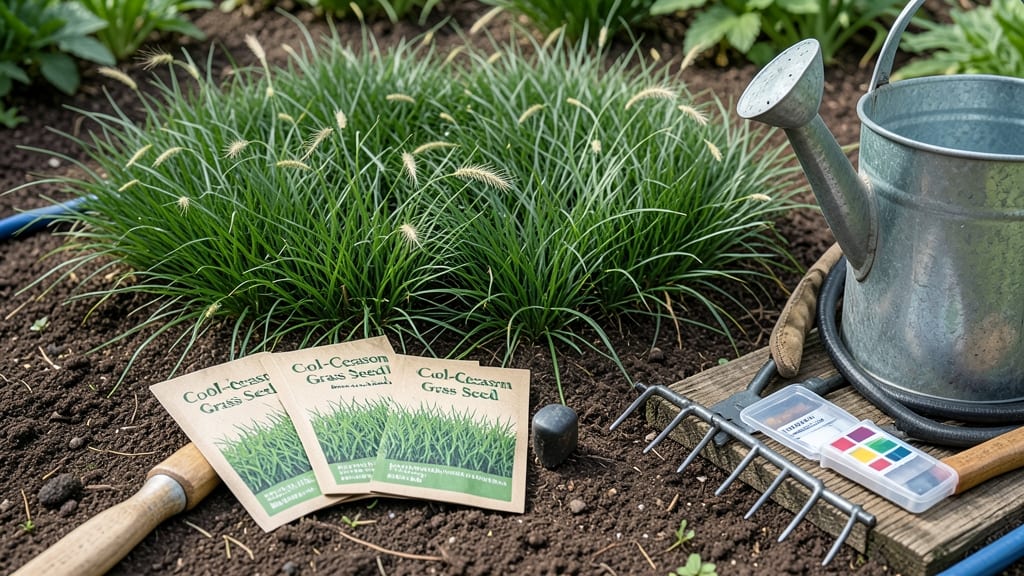
To plant grass seed in Illinois, aim for early spring or early fall when soil temperatures hit 60–75°F—the fastest way to avoid thin patches and slow germination.
Picture this: you've spent your hard-earned cash on premium seed, prepped the soil, and spread it all out—only for weeks to pass with nothing but bare dirt staring back. That's what happens when you plant too early or too late, and Illinois' unpredictable spring weather makes timing everything.
The key isn't just following a calendar—it's checking soil temperature with a simple thermometer. Cool-season grasses like Kentucky bluegrass thrive when the ground warms to 50°F in spring, while warm-season types need 70°F+ to germinate.
I'll show you how to read your local frost dates and adjust for northern vs. southern Illinois conditions.
You'll also discover 5 pro tips to speed up germination, from pre-warming the soil to the right watering schedule that keeps your new grass from washing away. Let's get that lawn growing fast and frustration-free.
Best Illinois grass planting times by soil temperature (not just dates)
If you've ever planted grass seed in Illinois only to watch it sit stubbornly in the soil for weeks—or worse, sprout too late to establish before summer heat—you're not alone. The key to a fast-growing, lush lawn isn't just picking the right month but monitoring soil temperature.
Most gardeners focus on calendar dates, but cool-season vs. warm-season grasses thrive at completely different temperature ranges.
For Illinois, where USDA Zones 5-6 bring unpredictable spring weather, soil temperature is your real guide. Cool-season grasses like Kentucky bluegrass and tall fescue need soil between 50-65°F to germinate, while warm-season types like Bermuda or Zoysia won't sprout until soil hits 65-75°F.
Planting too early or late means slower growth, weed competition, or even seed rot.
Here’s the game-changer: Illinois’ average last frost date (mid-April) doesn’t always align with soil warmth. A soil thermometer ($10 at any garden center) is your best tool—bury it 2 inches deep (where seeds germinate) and check daily.
If the temp lingers below 50°F, your cool-season grass will sit dormant, and weeds will move in.
Pro tip: Early fall (August-September) often gives better results than spring for cool-season grasses because soil cools gradually, reducing stress on seedlings. Warm-season grasses, however, must wait until late May or June when soil consistently stays above 65°F.
Let’s talk about soil temperature testing. Grab a soil thermometer and check temps at 8 AM and 4 PM for 3 days to account for daily swings. If your cool-season grass soil hovers around 55°F, it’s prime time—seeds will sprout in 7–14 days.
But if it’s below 50°F, wait or use a black plastic mulch to warm the soil faster.
For warm-season grasses, don’t rush—planting too early (when soil is below 65°F) can lead to seed rot or weak seedlings. Wait until your soil thermometer reads consistently 70°F+ for 5 days straight.
In southern Illinois (like St. Louis), this might be late May, while northern areas (Chicago) could wait until June.
One common mistake? Relying on air temperature instead of soil temp. A 70°F day can still have 50°F soil—especially in shaded or clay-heavy areas. To speed things up, till the soil 2–3 inches deep before planting to expose warmer layers below.
For clay soil, mix in compost or sand to improve drainage and warmth retention.
If you’re planting in late spring (May), prioritize shade-tolerant varieties like fine fescue or Buffalo grass, which handle cooler soil better. For fall planting (September), aim for 6–8 weeks before first frost—typically mid-September in Illinois—to give roots time to establish before winter.
Remember: Watering depth matters more than frequency during germination. Keep soil consistently moist (like a damp sponge) for the first 2–3 weeks. Use a sprinkler with gentle mist or soaker hose to avoid displacing seeds. Once sprouts appear, reduce to 1 inch per week to encourage deep root growth.
Your soil temperature is the real calendar for Illinois lawns. Skip the guesswork: invest in a $
How to adjust grass seed planting for Illinois microclimates (northern vs. southern regions)
Illinois' northern and southern regions experience different frost patterns and humidity levels, making a one-size-fits-all planting schedule risky. Chicago's cooler, wetter springs demand earlier planting, while St. Louis' hotter summers favor late-season options. Let's break down the key differences so you can time your planting for success.
In northern Illinois (Chicago area), the last frost typically arrives around April 15, giving you a 6-week window before summer heat stresses seedlings.
Southern Illinois (St. Louis area) enjoys warmer soil earlier, with last frosts around April 1, but summer humidity can create fungal risks if planted too late.
Here's how to adjust your approach based on your location:
For northern Illinois, focus on cool-season grasses like Kentucky bluegrass, which thrives in 50-65°F soil. Plant in early spring (March-April) when soil temperatures stabilize above 50°F. The higher humidity in this region means you'll need to monitor for fungal diseases during germination.
Southern Illinois gardeners should opt for warm-season grasses like Bermuda or Zoysia, which prefer 75-85°F soil. Wait until late April or May when soil temperatures consistently stay above 65°F. The drier conditions here make irrigation more critical during establishment.
Both regions benefit from fall planting (August-September), when soil stays warm but air temperatures cool. This 6-week window before winter gives seedlings time to establish roots without summer heat stress. For best results, test your soil temperature with a soil thermometer before planting.