
Plants
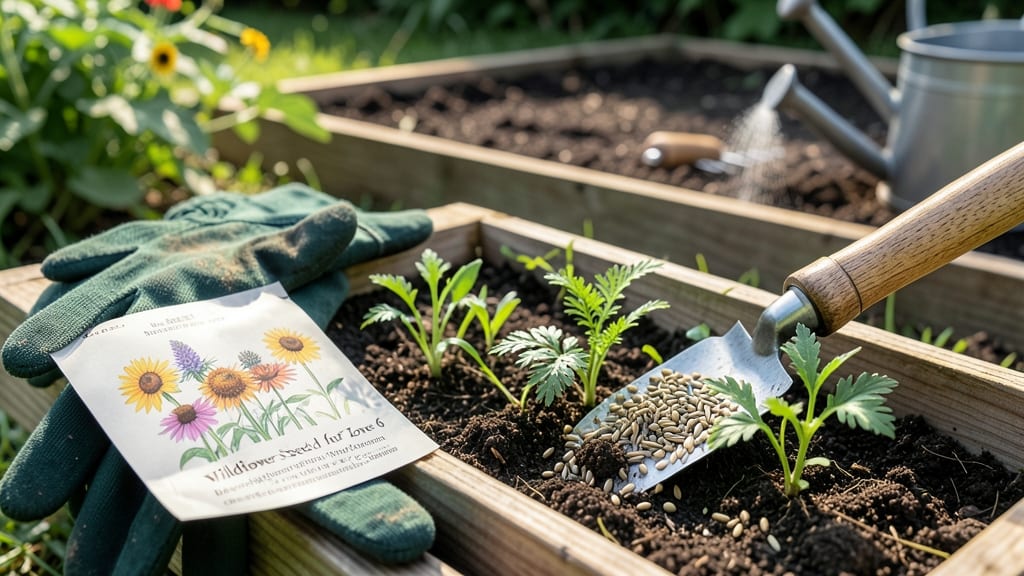
Plant wildflower seeds in Zone 6 during early spring or early fall—timing this right means the difference between a thriving meadow and a failed experiment.
Picture this: you’ve scattered your 🌼 seeds, but by May, nothing’s sprouted. Or worse, you planted too late, and frost wiped them out before they took root.
Zone 6’s unpredictable swings make getting it wrong all too easy—but the good news? With the right window, you can skip the guesswork entirely.
Spring planting in Zone 6 works best from March to April, when soil temperatures hover above 50°F and frost threats fade. Fall, however, offers a quieter, more reliable path—late August to early October lets seeds germinate before winter sets in, giving them a head start on spring growth.
Below, I’ll break down the exact soil temps, frost dates, and prep steps to turn your garden into a blooming paradise—no more wasted seeds or missed seasons.
Optimal wildflower seed planting times in Zone 6: spring vs fall breakdown
Timing your wildflower seeds correctly in Zone 6 can mean the difference between a thriving meadow and a missed opportunity.
The USDA Zone 6 spans regions like Ohio, Pennsylvania, and Missouri, where average last frost dates range from mid-April to early May and first frosts arrive between mid-October and early November. These windows create two prime planting opportunities: spring and fall, each with unique advantages and challenges.
Many gardeners debate whether spring planting or fall planting yields better results. The truth? Both work, but the ideal timing depends on your specific goals. Spring planting gives you immediate summer blooms, while fall planting often produces hardier, more established plants by next season.
Let’s break down the best strategies for each season, including soil temperature thresholds, frost risk, and how to adapt for your local microclimate.
| Planting Window | Soil Temperature | Frost Risk | Best For | Zone 6 Regions |
|---|---|---|---|---|
| Early Spring (March-April) | 45°F–55°F (7°C–13°C) | High (late frosts) | Fast summer blooms | Southern Zone 6 (e.g., Kentucky) |
| Late Spring (May) | 60°F+ (15°C+) | Low (post-frost) | Established roots before summer | Northern Zone 6 (e.g., Pennsylvania) |
| Early Fall (August-September) | 60°F–70°F (15°C–21°C) | Moderate (pre-winter) | Hardy, drought-resistant plants | All Zone 6 regions |
| Early Winter (October, if mild) | 50°F–55°F (10°C–13°C) | High (risky) | Experienced gardeners only | Southern Zone 6 (e.g., Missouri) |
For spring planting, aim to sow seeds as soon as the soil reaches 45°F (7°C), typically in early March in southern Zone 6 or late March to early April in northern areas. This timing ensures seeds germinate before late frosts hit, which can be devastating.
However, planting too early—like in February—risks seeds rotting in cold, wet soil. If you’re in a clay-heavy area, like parts of Ohio, wait until the soil warms to 50°F (10°C) to avoid compaction issues.
If you prefer fall planting, late summer to early fall—August through September—is your best bet. Seeds sown in August get a head start on root growth before winter, while those planted in September benefit from cooler temperatures and consistent moisture.
Avoid planting after mid-October, as seeds may not establish roots before first frost. In Missouri, for example, early September plantings often yield the most robust wildflower displays by next spring.
One key advantage of fall planting is reduced weed competition. Many annual weeds germinate in spring, so sowing wildflower seeds in fall gives them a 6–8 week head start before weeds even sprout.
This is especially useful in Pennsylvania’s competitive garden beds. Additionally, fall-planted seeds often experience natural stratification over winter, which breaks dormancy and improves germination rates in spring.
Regional microclimates play a huge role in Zone 6. For instance, urban areas like Pittsburgh tend to be warmer in spring due to the "heat island" effect, allowing earlier planting. Conversely, rural areas with colder nights may require waiting until mid-April for safe spring planting.
Use your local cooperative extension service for precise frost date data—this can shift by 1–2 weeks depending on elevation and proximity to large bodies of water.
Pro tip: If you’re unsure about timing, soil thermometers are your best friend. Wildflower seeds typically need soil temps between 50°F–70°F (10°C–21°C) for optimal germination. In Zone 6b, where winters are colder, prioritize fall planting for perennials like black-eyed Susans and coneflowers, as they benefit from cold stratification.
Annuals like cosmos and zinnia, however, can handle both spring and fall plantings with equal success.
Finally, don’t overlook seed preparation. Many wildflower seeds have hard coats that require scarification or stratification to germinate. For spring plantings, soak seeds overnight in lukewarm water before sowing.
For fall plantings, a light scratch with sandpaper can mimic natural winter conditions. This small step can double your germination rates and ensure a lush, colorful meadow by next season.
Whether you choose spring or fall
5 Critical factors that determine your planting success in Zone 6
Wildflower success in Zone 6 hinges on five non-negotiable factors: soil moisture, sunlight exposure, seed type, weed competition, and soil texture. Ignore any of these, and your seeds may struggle to germinate—or worse, never sprout at all.
For example, clay-heavy soils common in Ohio can suffocate roots, while sandy soils in Missouri drain too quickly, both requiring adjustments to thrive.
Let’s break down each factor so you can tailor your approach. Whether you’re planting annual wildflowers for instant color or perennial varieties for long-term beauty, these conditions will make or break your garden’s potential.
Start with moisture levels: wildflower seeds need consistent dampness to germinate, but overwatering can drown them. Aim for 1/4 inch of water per week during establishment.
🌱
Adjusting for Zone 6’s clay or sandy soils is key—both extremes can stunt growth if unaddressed. For instance, sandy soils in Pennsylvania drain too fast, so mulching with straw helps retain moisture.
Meanwhile, clay soils in Missouri can become waterlogged; adding organic matter like compost loosens the structure for better root penetration.
Don’t overlook weed competition, either. Wildflowers are delicate when young, and weeds can choke them out in as little as 4–6 weeks. A quick pre-planting till or mulch layer can give your wildflowers the head start they need.
Prioritize native species, too—they’re adapted to your local conditions and require less fuss.
Finally, match your seed type to your timeline. Annuals like sunflowers or marigolds reward you with quick color but need replanting yearly. Perennials like black-eyed Susans or purple coneflowers demand patience but deliver years of blooms with minimal effort. Choose wisely based on your garden’s goals!
🌻