
Plants
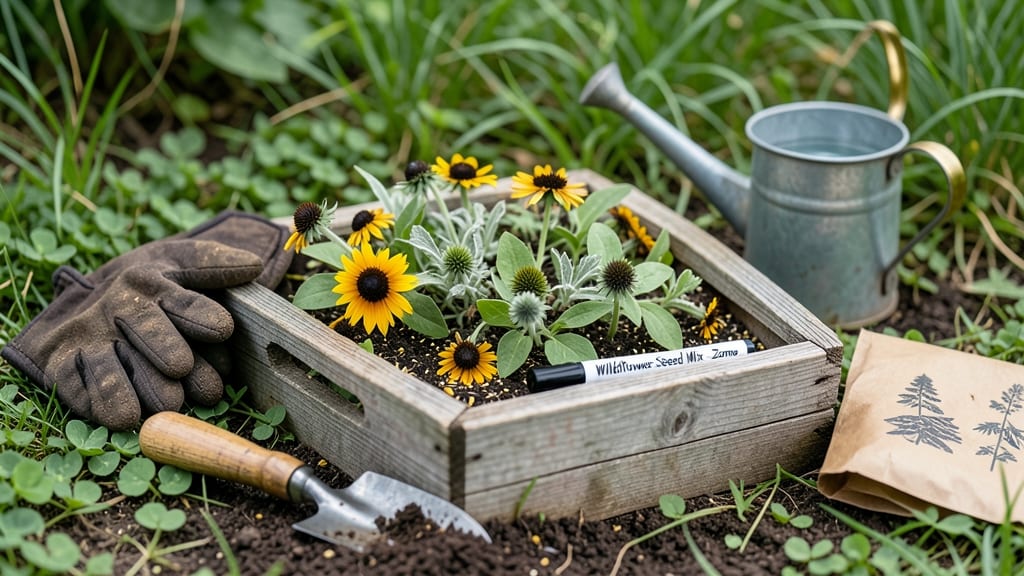
To plant wildflower seeds in Zone 7 at the perfect time ensures vibrant blooms year-round 🌼—and missing the window can mean sparse or delayed flowers.
You’ve probably heard that wildflowers are low-maintenance, but timing is the key to unlocking their full potential. Plant too early, and seedlings may bolt in the heat; too late, and frost can stunt growth before spring.
In Zone 7, the ideal windows are early spring (March–April) or late summer (September–October), when soil is moist and temperatures are mild. These periods give seeds the best chance to establish roots before extreme weather sets in.
Below, I’ll break down the science behind these timelines, share soil prep secrets, and reveal which wildflowers thrive when planted at each window—for a meadow that bursts with color from spring to fall.
Best planting times for wildflower seeds in Zone 7 by season
Timing your wildflower seeds correctly in Zone 7 can mean the difference between a vibrant meadow and a disappointing patch. The USDA Zone 7 climate—with its mild winters and warm summers—offers three prime windows for planting.
Each season brings unique benefits, from cooler germination in spring to drought-tolerant establishment in fall. Let’s break down the best times to plant for year-round color.
Most wildflower seeds thrive when sown in early spring or late summer/fall. Spring planting lets seeds germinate as temperatures warm, while fall planting takes advantage of cooler weather and natural moisture to establish roots before winter.
Summer planting is trickier but possible for heat-tolerant species like sunflowers. Understanding these windows ensures your wildflowers get the best start possible.
Here’s the key: Soil temperature matters more than air temperature. Most wildflower seeds need soil temps between 60-75°F to germinate. In Zone 7, this typically aligns with March-April for spring and September-October for fall. Always check soil temps with a soil thermometer before planting to avoid mistakes.
Spring planting in March or April gives wildflowers a head start on the growing season. Aim to sow seeds 2-4 weeks before your last frost date (typically mid-March in Zone 7).
This timing ensures seeds germinate as soil warms, avoiding the risk of frost damage to young seedlings. For annual wildflowers like cosmos or zinnias, spring is ideal—they’ll bloom all summer long.
Summer planting is riskier but works for heat-loving species. If you choose this route, focus on June or July when soil stays consistently warm.
Use shade cloth to protect seeds from drying out and water deeply every 2-3 days. Sunflowers and Mexican sunflowers are excellent choices for summer sowing in Zone 7.
Fall planting in September or October is often the best option for perennial wildflowers. Seeds germinate slowly in cool soil and establish roots before winter. This method reduces weed competition and ensures a stronger meadow the following year. Black-eyed Susans and coneflowers thrive when planted in fall.
Winter planting is generally not recommended in Zone 7. Frozen soil prevents seed germination, and young plants won’t survive cold snaps. If you’re eager to plant in winter, consider greenhouse sowing and transplanting in early spring. However, this adds complexity and isn’t necessary for most wildflower varieties.
Pro tip: Always prepare your soil before planting. Loosen the top 2-3 inches of soil, remove weeds, and rake lightly to create a fine seedbed. Wildflower seeds are tiny, so a smooth surface helps them make contact with the soil.
After sowing, lightly cover seeds with a thin layer of soil or mulch to protect them from drying out.
For best results, combine spring and fall planting to create a continuous bloom from early summer through fall. Start with spring annuals for quick color, then add fall perennials for long-term beauty. With the right timing, your Zone 7 garden will transform into a pollinator paradise
How to choose wildflowers for year-round blooms in Zone 7
Creating a year-round wildflower display in Zone 7 means selecting the right species for each season. The key is layering spring ephemerals, summer bloomers, and fall favorites that naturally extend your garden's color palette.
Native wildflowers like Black-Eyed Susan and Purple Coneflower are excellent choices—they thrive in Zone 7's climate and attract pollinators all season long.
For spring blooms, focus on early-season wildflowers like Virginia Bluebells and Bloodroot. These delicate flowers emerge as soon as the soil warms, typically by March or April, and provide vibrant color before summer's heat arrives.
Pair them with wild columbine for vertical interest and a longer bloom window.
Summer is where wildflower meadows really shine. Sunflowers and Coreopsis dominate the season with their bright hues, while Butterfly Weed adds a pop of orange that butterflies adore. These plants handle Zone 7's hot, dry spells with ease, making them low-maintenance stars for your garden.
- 1 Spring Planting (March-April): Choose Virginia Bluebells and Bloodroot for early blooms. Soil temps should reach 40-50°F for germination.
- 2 Summer Bloomers (May-June): Plant Black-Eyed Susan and Coreopsis for peak summer color. These handle Zone 7 heat beautifully.
- 3 Fall Favorites (September-October): Add Asters and Goldenrod for late-season blooms. These thrive in cooler fall temps and provide nectar for migrating pollinators.
- 4 Winter Interest (November-February): Include Ornamental Grasses like Little Bluestem for texture and seed heads that persist through winter.
Fall is your best chance to establish perennial wildflowers for next year's blooms. Plant Asters and Goldenrod in September or October so they can develop strong roots before winter. These late-season bloomers provide essential nectar for bees and extend your garden's color until the first frost.
Don't overlook winter interest—even in Zone 7's mild winters. Ornamental grasses like Little Bluestem or Switchgrass add movement and texture to your landscape. Their seed heads remain attractive long after other plants have faded, and they're drought-tolerant once established.
To keep your wildflower garden thriving, deadhead spent blooms regularly and mulch lightly in late fall. This encourages continuous flowering and protects roots during Zone 7's cold snaps. With the right mix of seasonal wildflowers, you'll enjoy color from spring through frost with minimal effort.