
Flowers
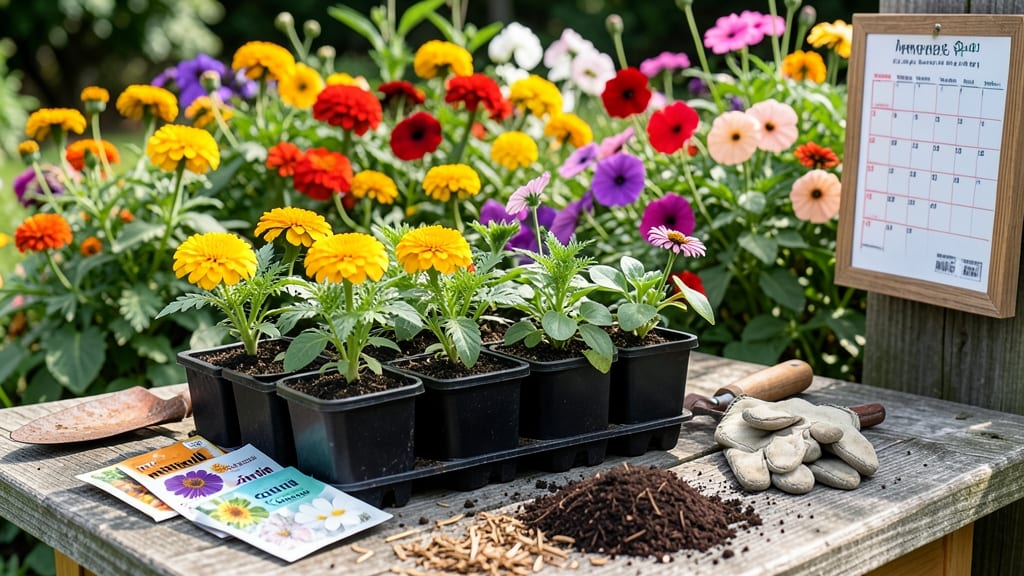
Planting flower seeds in Indiana at the right time means the difference between a vibrant garden and a sad, frost-bitten disappointment.
If you’ve ever rushed to sow your 🌸 flower seeds only to watch them wilt in a late spring freeze—or waited too long and missed the bloom window—you know timing is everything. Indiana’s hardiness zones (5-6b) demand precision, especially with unpredictable frost dates that can shift from year to year.
This guide cuts through the guesswork with zone-specific planting windows, from early spring starts for cold-hardy varieties like pansies to fall sowings for late-season zinnias. We’ll also cover soil prep tricks to give your seeds the best shot at success, whether you’re in urban Indianapolis or rural southern Indiana.
By the end, you’ll know exactly when to plant for continuous blooms, how to adjust for microclimates, and which flowers play nice with Indiana’s short growing season. No more wasted seeds—just a garden that bursts into color on schedule.
Indiana flower seed planting dates by hardiness Zone (5-6b)
Indiana’s USDA Hardiness Zones 5-6b experience last spring frosts between April 15-30 and first fall frosts around October 15. These dates create a 165-day growing window—perfect for annuals, perennials, and cold-hardy flowers.
Timing is critical: plant too early, and frost will kill tender seedlings; too late, and you’ll miss the bloom season entirely.
For Indiana gardeners, the key is aligning seed planting with local frost averages while accounting for seed germination times. Most flowers need 60-90 days from seed to bloom, so plan accordingly.
Below, I’ve broken down the ideal planting windows for your favorite flowers, whether you’re direct sowing or starting seeds indoors.
🌱 Pro Tip: Use row covers or cold frames to extend your season by 2-3 weeks in early spring or late fall. This is especially helpful for heat-loving annuals like marigolds or cold-tolerant perennials like pansies.
| Flower Type | Indoor Start (Weeks Before Last Frost) | Direct Sow (After Last Frost) | Fall Planting (Weeks Before First Frost) | Notes |
|---|---|---|---|---|
| Annuals (Petunias, Marigolds, Zinnias) | 6-8 weeks | April 30 - May 15 | N/A (tender) | Fast growers; start early indoors |
| Perennials (Coneflowers, Black-Eyed Susans) | Indoors: 8-10 weeks | April 15 - May 1 (direct sow) | N/A (biennial/perennial) | Slower germination; protect seedlings |
| Cold-Hardy (Pansies, Snapdragons, Sweet Peas) | 4-6 weeks | March 15 - April 15 | 8-10 weeks (August 1 - Sept 15) | Tolerate light frost; great for fall |
| Heat-Lovers (Sunflowers, Cosmo) | 4-6 weeks | May 1 - June 1 | N/A (heat-sensitive) | Wait until soil is warm |
| All Flowers | Check seed packet | After April 15 | Before Oct 15 | Mulch after planting |
For annual flowers like petunias or marigolds, I recommend starting seeds indoors 6-8 weeks before your last frost date (typically April 15 in Zone 6a). This gives them a head start, and you can transplant outdoors by May 1 once nighttime temperatures stay above 50°F.
If you’re planting perennials such as coneflowers or black-eyed Susans, direct sow them 2-4 weeks before your last frost (around April 15) for earlier blooms. These plants are hardier and can handle light frosts once established, but young seedlings need protection.
🌿 Fall Planting: For cold-hardy annuals like pansies or snapdragons, start seeds indoors 8-10 weeks before your first frost (around August 1). These flowers thrive in cool weather and will bloom until frost, giving your garden a late-season splash of color.
Indiana’s Zone 5b areas (northern Indiana) may experience later frosts (up to May 10), while Zone 6a (southern Indiana) typically sees last frosts by April 15. Adjust your planting dates 1-2 weeks later if you’re in the northern half of the state to avoid frost damage.
Remember to harden off indoor seedlings for 7-10 days before transplanting. This means gradually exposing them to outdoor conditions (sun, wind, temperature fluctuations) to prevent shock. Start with 1-2 hours daily and increase over the week.
After planting, mulch around your flowers with 2-3
How to adjust planting times for Indiana’s microclimates
Indiana’s USDA Zones 5-6b create unique challenges, with urban areas like Indianapolis often experiencing frost 2 weeks later than rural zones near Lake Michigan. This delay means your neighbor’s perfectly timed petunias might freeze overnight in your yard.
The key? Using local frost records instead of USDA averages to fine-tune your schedule.
For example, Northern Indiana (Zone 5) typically sees its last frost around April 20, while Southern Indiana (Zone 6b) may wait until May 5.
That’s a 3-week difference—enough to shift your entire planting timeline. Check your county’s Purdue Extension records for precise local data before committing to seed packets.
🌱 Flowers That Tolerate Late Frosts
| Flower | Cold Tolerance | Planting Window |
|---|---|---|
| Sweet Peas | Survives 28°F with mulch | March 15–April 15 |
| Larkspur | Tolerates 30°F lightly | April 1–May 1 |
| Pansies | Thrives in 25°F+ | March 1–April 30 |
❄️ Flowers Sensitive to Late Frosts
| Flower | Frost Threshold | Safe Planting Time |
|---|---|---|
| Impatiens | Dies below 35°F | After May 15 |
| Geraniums | Wilts at 32°F | May 20–June 1 |
| Marigolds | Tender at 30°F | After April 25 |
If you’re in a warmer microclimate (e.g., near a lake or urban heat island), you can push tender annuals like zinnias 1–2 weeks earlier. But if your yard sits in a cold pocket, delay planting until after Mother’s Day to avoid frost surprises.
Always monitor the National Weather Service’s 7-day forecast for late-season cold snaps.
For fall planting, aim to sow seeds 8–10 weeks before your first frost (typically September 1–15 in Indiana). Cold-hardy flowers like cosmos and snapdragons can handle light frosts, but tropicals like mums need protection. Use row covers or plant in sheltered beds to extend your season by 2–3 weeks.
Pro tip: Start heat-loving flowers like sunflowers indoors in late March to give them a head start. By the time outdoor temps stabilize, they’ll be 2–3 inches tall and ready to transplant—giving you earlier blooms and a longer display.
Remember, Indiana’s microclimates aren’t just about frost—they’re also about soil warmth. In Zone 5, wait until soil reaches 50°F before planting seeds; in Zone 6b, 45°F is often sufficient. Use a soil thermometer to avoid guessing.